English
 عربي

Run length is usually the first filter: long, low-variation jobs tend to favor flexo, short and highly variable jobs tend to favor digital, and hybrid sits between them when a single job mixes long-run elements with variable content. But run length alone is not a reliable decision rule. Setup waste, plate cost, version frequency, substrate, and inline finishing can move the economic crossover in either direction, so converters should map each job family on run length and version frequency before committing to a technology path.
Why Run Length Still Matters First
Every printing technology carries a different cost structure. Flexo spreads plate and makeready costs across the run: the longer the run, the lower the per-unit burden of setup. Digital carries lower setup cost but higher variable cost per unit, so short runs avoid the plate-amortization problem that penalizes flexo on small orders. Hybrid combines flexo stations with a digital print engine in one workflow, which changes where makeready waste and changeover time sit in the cost equation.
Industry discussion often frames the trade-off in broad strokes: long, low-variation runs are typically associated with flexo, while shorter, higher-variation runs are often allocated to digital. That is a useful starting point, but it is not a universal cut-off. One publicly discussed break-even range for label and narrow-web flexible packaging jobs falls between roughly 5,000 and 25,000 units depending on job complexity, but this is an industry-level observation, not a fixed rule that applies to every converter or every substrate. The actual crossover depends on plate cost, makeready time, waste per setup, ink consumption, and how often the job repeats.
The Cost Logic Behind Each Technology
Flexo: Setup Cost Amortized Over Volume
Flexo requires plates, anilox rolls, and a makeready sequence. The upfront cost is real: plate costs can push total cost per unit substantially above the quoted press rate when the run is too short to absorb setup. As run length increases, that setup burden is spread across more units, and flexo becomes increasingly cost-efficient for medium to long runs. This is why flexo is often the default for high-volume, low-variation packaging where the same design runs repeatedly.
But “long run” is not a single number. A 20,000-unit job with four colors and a simple substrate may behave differently from a 20,000-unit job with eight colors, tight registration, and inline coating. Makeready waste—often tens to over a hundred meters per job depending on press and complexity—also weighs more heavily on shorter runs because the waste is a larger proportion of total material consumed.
Digital: Low Setup, Higher Running Cost
Digital printing reduces the setup burden: there are no plates to mount and no ink-keying sequence in the conventional flexo sense. That makes digital attractive for very short runs and for jobs where each SKU changes before a long run can be justified. The trade-off is that digital inks and equipment overheads can be higher on a per-unit basis, and digital is typically most economical when the run is short enough that flexo’s setup cost cannot be spread efficiently.
A practical implication: if a brand frequently tests new SKUs, runs seasonal variants, or produces personalized or regional versions, digital may reduce the risk of overproduction and plate waste. But if the same design repeats in large volumes, digital’s variable cost structure may become the limiting factor.
Hybrid: Separating Fixed and Variable Content
Hybrid presses are not simply “a flexo press with a digital head” or “a digital press with flexo stations.” They are workflow decisions. A hybrid configuration can put flexo stations before and after a digital engine, using flexo for primer, spot color, opaque white, varnish, or high-opacity laying down, while digital handles variable CMYK content. This can reduce plate requirements and minimize work-in-process inventory because long-run fixed elements and short-run variable elements are produced in one pass.
Hybrid economics are most relevant when a job has mixed characteristics: a common substrate and finishing requirement, but multiple versions, regional variants, or frequent copy changes within a run family. In that scenario, the decision is not “flexo or digital” but “which parts of the job should be flexo and which should be digital.” Industry discussion also notes that hybrid can be suitable for higher-run, multi-SKU jobs with a common die, where one die can be loaded and a queue of SKUs printed without repeated full makeready.
A Practical Decision Table by Run Length and Job Structure
The table below is a decision aid, not a universal rule. It assumes a converter is comparing technology paths for a job family, not for a single order. Actual thresholds must be confirmed with plate costs, waste rates, ink consumption, and finishing requirements.
| Job profile | Run length tendency | Version / SKU frequency | Technology likely to fit first | What to verify before deciding |
| Same design, repeat orders, low variation | Long | Low | Flexo | Plate amortization, makeready waste per job, substrate width and drying |
| Same design family, several versions per cycle | Medium to long | Medium | Hybrid or flexo with fast changeover | Whether digital can absorb version changes without full plate remakes; inline finishing compatibility |
| Short promotional or test runs | Short | High | Digital | Ink cost per unit, substrate compatibility, whether finishing is inline or offline |
| Mixed job: fixed brand elements plus variable copy | Medium | High within a common format | Hybrid | Workflow sequence (flexo before/after digital), plate count, die commonality |
| Very short runs with tight deadlines | Very short | High | Digital | Turnaround time, substrate availability, color consistency across short batches |
Beyond Run Length: Five Factors That Change the Answer
Run length is necessary but not sufficient. The following factors should be checked before treating a run-length threshold as decisive.
1. Makeready waste as a percentage of the run. A flexo job with 100 meters of startup waste is a minor issue on a 50,000-meter run but a major cost on a 2,000-meter run. Calculate waste per setup as a share of total material, not just as an absolute number.
2. Plate and tooling cost per version. If each version requires a new set of plates, version frequency can overwhelm the apparent advantage of a longer total run. Hybrid and digital workflows may reduce plate count when versions share common fixed elements.
3. Substrate and drying requirements. Flexo handles a wide range of paper, film, and non-woven substrates, and drying configuration (hot air, infrared, UV) affects speed and energy use. Digital may have narrower substrate windows or require primer/coating to achieve adhesion. These technical constraints can override run-length economics.
4. Inline versus offline finishing. If the job requires lamination, die-cutting, slitting, or inspection, the finishing path may determine the economic batch size more than the printing method. Hybrid’s advantage is partly a workflow advantage: printing and converting in one pass can reduce handling and work-in-process.
5. Order repetition and forecast confidence. A short run that repeats monthly with the same design behaves differently from a one-time short run. If demand is uncertain, digital or hybrid may reduce obsolescence risk; if demand is stable and forecastable, flexo’s setup cost can be amortized with confidence.
A Pre-Decision Checklist for Converters
- List the last 20–30 jobs by run length and note the median and the spread.
- For each job, record the number of versions/SKUs and whether versions share a common design platform.
- Estimate flexo plate cost per version and makeready waste per setup.
- Confirm substrate compatibility for each candidate technology, including primer and drying requirements.
- Map finishing steps: which are inline-compatible, which require offline handling.
- Calculate total cost per unit at three points: shortest typical run, median run, and longest typical run.
- Check whether the job repeats or is a one-off; adjust for forecast confidence and obsolescence risk.
- If hybrid is a candidate, define which elements should be flexo (primer, white, spot, varnish) and which should be digital (variable CMYK).
- Confirm floor space, power, and operator skill requirements for each path.
- Review actual production data from a trial or a comparable job before committing capital.
When to Look at Flexo Configurations More Closely
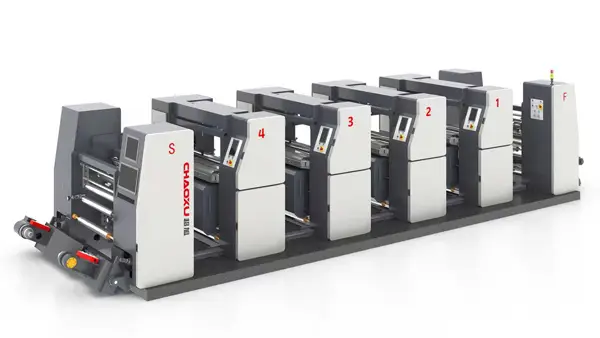
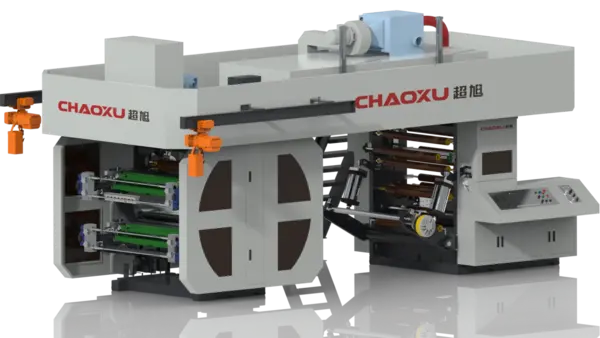
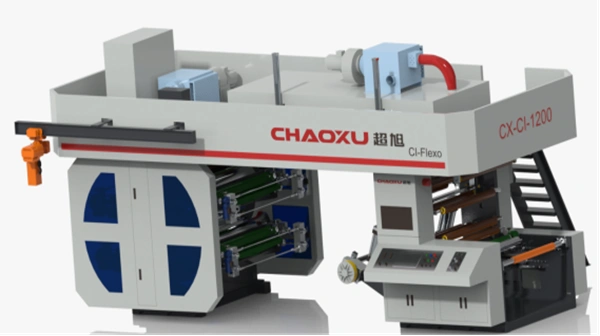
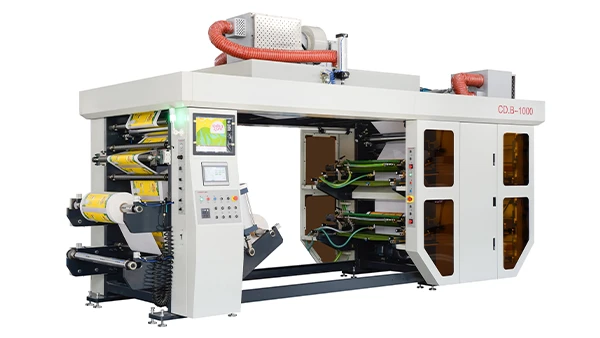
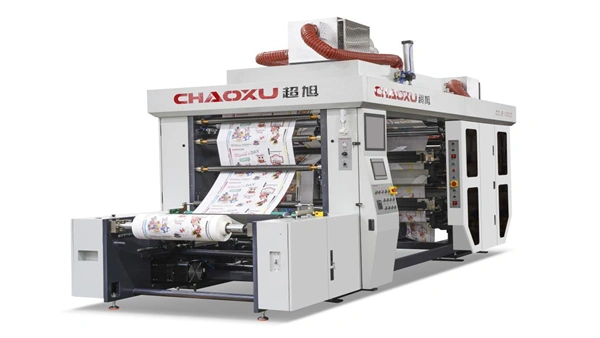
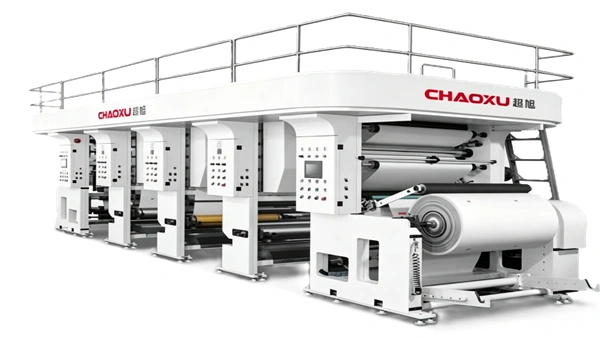
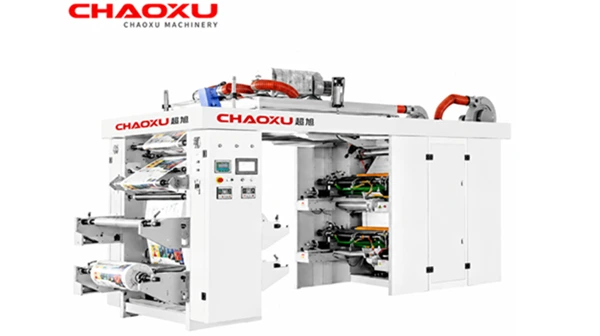
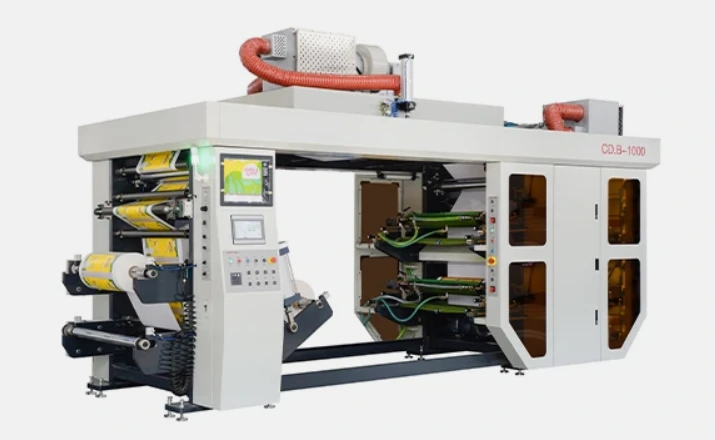
If the job portfolio is dominated by long, low-variation runs, or by medium runs where plate costs can be amortized across repeat orders, the next step is to review flexographic press configurations rather than continue comparing technology labels. Flexo press structure—unit type, CI type, stack type, servo or gear-driven—affects makeready speed, register control, substrate handling, and the practical minimum run length that remains economical. You can review the available flexographic press configurations on the product page, and if the application involves film or non-woven substrates, compare CI and unit-type press structures for tension control and drying differences.
For paper-based packaging such as paper cups, paper bags, or food wrapper paper, the material width, color count, and downstream forming process often matter as much as run length. In those cases, it is worth discussing the material and production requirements with the engineering team before locking a technology path, because the finishing step may impose constraints that a run-length table cannot capture.
FAQ
Does run length alone determine whether I should use flexo or digital?
No. Run length is the first filter, but makeready waste, plate cost per version, substrate compatibility, and finishing requirements can move the economic crossover significantly. A job with a long total run but many versions may still be a poor fit for conventional flexo if plate changes are frequent.
What is the typical break-even range between flexo and digital?
Industry discussion often cites a range in the low tens of thousands of units for label and narrow-web work, but this is not a universal threshold. One publicly discussed range is roughly 5,000 to 25,000 units depending on complexity, and converters should calculate their own crossover using actual plate, waste, ink, and labor costs rather than adopting an external number.
When does hybrid make more sense than pure flexo or pure digital?
Hybrid tends to fit jobs that combine long-run fixed elements with short-run variable content, or job families with multiple versions sharing a common format and die. It can reduce plate count and work-in-process inventory by keeping fixed elements in flexo and variable elements in digital within one workflow.
Can flexo still be competitive on shorter runs?
Flexo can remain competitive on shorter runs when makeready time and waste are controlled, when plates are reused across repeat orders, or when the job shares tooling with a longer-running family. But below a certain run length, the setup cost per unit may rise faster than the savings from flexo’s lower variable cost.
What should I verify before investing in a hybrid press?
Confirm the workflow sequence (which flexo stations run before and after the digital engine), substrate compatibility with both flexo and digital inks, inline finishing capability, plate and die commonality across the SKU family, and operator training requirements. Hybrid is a workflow investment, not just a print-engine choice.
Does substrate type override run-length economics?
It can. Some substrates are more forgiving in flexo than in digital, or require primer/coating in digital that changes the cost and speed equation. Drying requirements for water-based, UV, or solvent inks also affect achievable speed and energy consumption. Substrate and drying should be confirmed before run-length calculations are finalized.
Conclusion
Run length is a useful first filter, but the durable decision comes from mapping each job family on two axes: run length and version frequency. Flexo tends to fit long, low-variation runs where setup cost can be amortized; digital tends to fit short, high-variation runs where setup avoidance matters more than per-unit ink cost; hybrid fits the middle ground where a common format carries both fixed and variable content. Before committing capital, calculate waste per setup, plate cost per version, substrate compatibility, and finishing constraints for your own job mix. If your analysis points toward flexo for the long-run or repeat-order portion of the portfolio, review the flexographic printing machine configurations and discuss material and production requirements with the engineering team to confirm the press structure that matches your actual order profile.