English
 عربي
عربي 
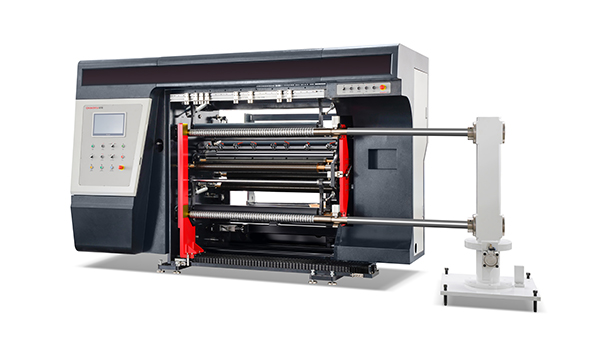
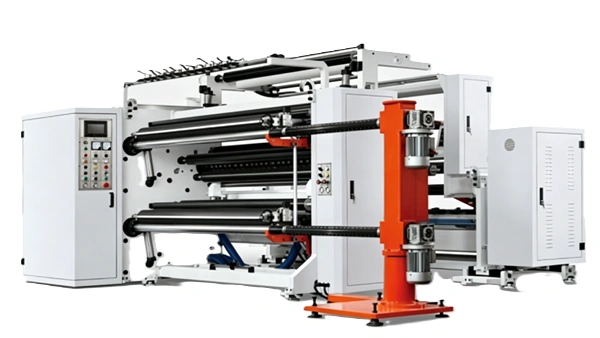
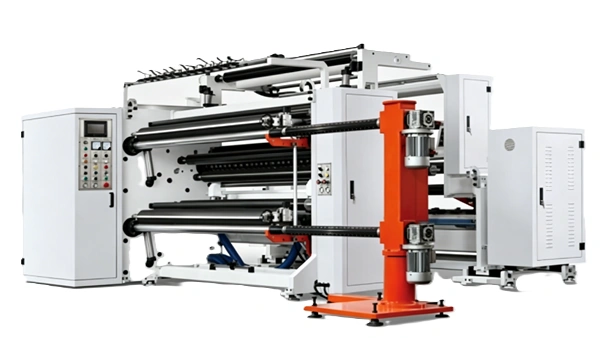
A slitting machine is designed to convert wide rolls into narrow, finished rolls with clean edges and consistent winding. But when something goes wrong, the same machine can destroy material—wasting substrate, damaging edges, and creating unusable rolls that end up as scrap.
The short answer: Most material damage in slitting comes down to five correctable errors—incorrect blade selection, poor tension control, improper knife setup, inadequate maintenance, and ignoring material characteristics. Each of these can be identified and fixed with the right approach.
This article walks through each of these five pitfalls, explains why they happen, what they do to your material, and how to prevent them.
1. Using the Wrong Slitting Blade for Your Material
Not all blades are created equal. The type of blade you use—and how it interacts with your substrate—directly determines cut quality.
What goes wrong: Using a blade that is too dull, too thick, or incompatible with the material causes rough edges, tearing, and dust generation. For example, a blade designed for paper may struggle with film, creating jagged cuts and melt-related defects.
The consequences:
-
Ragged or fuzzy edges that fail quality inspection
-
Dust and debris contaminating the roll surface
-
Increased scrap rates and material waste
-
Premature blade wear requiring frequent replacements
How to prevent it: Match the blade type to your material. For films like BOPP, PET, and PVC, use sharp, thin-profile blades designed for clean cutting. For paper and adhesive materials, consider blades that reduce dust generation. Flat knife systems with blowing edge devices can help keep the cut face clean. Regular blade inspection and timely replacement are equally important—dull blades do more damage than you think.
2. Poor Tension Control During Slitting
Tension control is arguably the most critical factor in slitting quality. Too much tension, and your material stretches or breaks. Too little, and you get loose, telescoped rolls.
What goes wrong: Inconsistent tension across the web—or tension that isn't adjusted for different materials—leads to uneven winding, wrinkles, and deformation. This is especially problematic for thin films and elastic materials.
The consequences:
-
Telescoped rolls that are impossible to use downstream
-
Stretched or deformed material that no longer meets specifications
-
Wrinkles that propagate through the entire roll
-
Breaks and machine stoppages
How to prevent it: Use a closed-loop automatic tension control system with magnetic powder brakes and high-precision sensors to maintain constant tension. Multi-stage taper tension control adapts to different materials and supports consistent winding tightness. If your machine has these features, make sure they are properly calibrated for each material type. If not, consider upgrading your tension control system—it pays for itself in reduced waste.
3. Improper Knife Setup and Positioning
Even with the right blade, incorrect setup can ruin your material. The angle, pressure, and positioning of the cutting knife all affect cut quality.
What goes wrong: Knives that are set at the wrong angle, with excessive pressure, or misaligned with the web create uneven cuts, burrs, and edge defects. In extreme cases, the knife can gouge or score the material rather than cutting it cleanly.
The consequences:
-
Uneven slit widths that fail downstream processes
-
Burrs and rough edges that catch on equipment
-
Scoring or scratching on the material surface
-
Increased knife wear and frequent replacements
How to prevent it: Follow the manufacturer's setup guidelines for knife angle, pressure, and positioning. For straight knife slitting systems, ensure the blade is perpendicular to the web and the pressure is just enough to cut cleanly. Round knife systems require different setup parameters. Train operators on proper setup procedures and conduct regular checks to catch misalignments early.
4. Neglecting Regular Maintenance
Slitting machines are precision equipment, but they operate in demanding environments. Dust, debris, and wear take a toll over time.
What goes wrong: Skipping routine maintenance—cleaning, lubrication, and wear part replacement—leads to gradual degradation in cut quality. Bearings wear, guides lose alignment, and blades dull. These small changes add up to big problems.
The consequences:
-
Gradual decline in cut quality that goes unnoticed until it's severe
-
Unexpected breakdowns and production stoppages
-
Increased scrap rates from poor-quality cuts
-
Shortened equipment lifespan
How to prevent it: Establish a regular maintenance schedule. Clean the machine after each shift, lubricate moving parts according to the manufacturer's recommendations, and inspect wear parts (blades, guides, bearings) regularly. CHAOXU's 72-hour factory endurance testing simulates real production conditions to identify issues before shipment—but ongoing maintenance is your responsibility once the machine is on your floor. For critical components, partner with a supplier that maintains a spare parts inventory to minimize downtime.
5. Ignoring Material-Specific Characteristics
Different materials behave differently under the knife. What works for paper won't necessarily work for film, and what works for film won't work for foil.
What goes wrong: Treating all materials the same—using the same speed, tension, and blade settings across different substrates—is a recipe for disaster. Film stretches, paper tears, foil wrinkles, and adhesive materials gum up blades.
The consequences:
-
Material-specific defects that vary by substrate
-
Inefficient production from constant adjustments
-
Higher waste rates for certain materials
-
Operator frustration and inconsistent output
How to prevent it: Document the optimal settings for each material you run—speed, tension, blade type, knife pressure, and any other relevant parameters. CHAOXU slitting machines support a wide range of materials including BOPP, PET, CPP, CPE, PVC, aluminum foil, adhesive paper, leather paper, and more. Take advantage of the machine's PLC and touchscreen interface to save and recall parameters for different materials. This reduces setup time and ensures consistent quality across material changes.
Summary Checklist: Preventing Material Damage in Slitting
| Area | Check |
| Blades | Are blades matched to material? Are they sharp and properly installed? |
| Tension | Is tension control calibrated for the current material? Are sensors functioning? |
| Knife Setup | Is knife angle correct? Is pressure appropriate? Is alignment verified? |
| Maintenance | Is the machine clean? Are wear parts inspected regularly? Is lubrication up to date? |
| Material Settings | Are optimal settings documented and loaded for each material type? |
When to Seek Technical Support
If you've checked all five areas and still experience material damage, the issue may be more complex—such as machine alignment, component wear, or a configuration mismatch. In these cases, consult your equipment supplier's technical team. Many suppliers, including CHAOXU, offer remote diagnostics and on-site service to identify and resolve issues.
For converters processing a wide range of materials, discussing your specific requirements with the engineering team before committing to a machine configuration can help avoid many of these problems from the start.
FAQ
What is the most common cause of poor slitting quality?
Inconsistent tension control is the most common cause. When tension varies across the web or isn't adjusted for the material, it leads to uneven winding, wrinkles, and telescoped rolls. Closed-loop automatic tension control systems help maintain constant tension.
How often should slitting blades be replaced?
Blade replacement frequency depends on material type, run length, and blade quality. For abrasive materials like adhesive paper, blades may need replacement every few shifts. For clean films, they may last much longer. Regular inspection is the best practice—replace blades when you notice dulling or edge quality decline.
Can the same slitting machine handle both paper and film?
Yes, but you need to adjust settings for each material. CHAOXU slitting machines are designed for a wide range of materials including paper, film, foil, and adhesive materials. The key is using the correct blade type, tension settings, and speed for each substrate.
What slitting accuracy can I expect from a modern slitting machine?
Slitting accuracy typically ranges from ±0.05mm to ±0.1mm, depending on material and machine configuration. Edge correction accuracy can be as tight as ≤0.1mm. Actual performance depends on material characteristics and proper machine setup.
How does multi-stage taper tension control improve winding quality?
Multi-stage taper tension control gradually reduces tension as the roll diameter increases, preventing the inner layers from being crushed and the outer layers from becoming too loose. This results in consistently tight, uniform rolls without telescoping or deformation.
What should I do if my slitting machine consistently produces rough edges?
Start by checking blade sharpness and type—dull or incompatible blades are the most common cause. Then verify knife angle and pressure. If the problem persists, inspect the tension control system and ensure it's properly calibrated for your material. Rough edges can also result from misaligned web guides.
Conclusion
Material damage in slitting is rarely unavoidable—it's almost always the result of one or more of the five errors discussed above. By matching blades to materials, maintaining consistent tension, setting up knives correctly, keeping up with maintenance, and documenting material-specific settings, you can dramatically reduce waste and improve roll quality.
If you're evaluating slitting equipment for your production line, understanding these pitfalls will help you ask the right questions during the selection process. Review the available slitting machine configurations or discuss your material and production requirements with the engineering team to ensure your equipment is set up for success from day one.
Explore the full range of slitting machine models and configurations to find the right fit for your production needs.