English
 عربي
عربي 
When you receive a flexographic printing machine specification sheet, the price quote is only the beginning. The real cost of ownership often hides in plain sight—buried in energy consumption figures, maintenance intervals, anilox roller requirements, and changeover time estimates that are rarely spelled out in the initial proposal.
This article explains what experienced buyers look for when evaluating flexo machine specs beyond the purchase price. Understanding these hidden cost drivers can help you compare quotes more accurately and avoid surprises after installation.
Why the Purchase Price Tells Only Half the Story
The initial equipment cost of a flexographic printing press typically represents only 50–65% of its five-year total cost of ownership. The remaining 35–50% comes from ongoing expenses that are often not itemized in the initial quote.
These ongoing costs include:
-
Consumables (inks, plates, anilox rolls)
-
Energy for drying and curing
-
Maintenance and spare parts
-
Labor and operator training
-
Downtime from changeovers and repairs
The challenge is that many of these cost drivers are embedded in the technical specifications—if you know where to look.
1. Drying System Configuration: The Energy Cost Hidden in Specs
Drying is one of the largest ongoing energy expenses in flexographic printing. The spec sheet will usually list available drying options—hot air, infrared (IR), or UV—but rarely tells you what each option will cost to operate.
What to check in the specs:
-
Does the machine support hot air drying, IR drying, or UV drying?
-
Is the drying system integrated with the press speed, or does it require additional floor space?
-
What is the rated power consumption of the drying system?
Why it matters:
Hot-air and IR dryers can be energy-intensive because they heat large volumes of air. In many flexo operations, drying accounts for a significant portion of the press's total electrical load. UV LED curing, by contrast, can reduce curing energy by 40% or more compared to conventional systems.
Some suppliers offer multiple drying configurations. Buyers should confirm which configuration is included in the base price and what the upgrade costs are for more energy-efficient options.
2. Anilox Roller Requirements: A Recurring Cost Often Overlooked
Anilox rollers are critical to print quality and ink transfer consistency. However, they are also a significant and recurring cost that spec sheets often treat as an afterthought.
What to check in the specs:
-
What type of anilox rollers are included with the machine?
-
How many rollers come standard?
-
What is the lead time and cost for additional rollers?
Why it matters:
A single high-line-count anilox roll can cost between $1,500 and $8,000 USD. Most production environments require an inventory of 8–15 rolls per press to cover the full range of ink volumes and substrates. If the spec sheet only includes one or two basic rollers, the cost of building a usable inventory can be substantial.
Additionally, anilox rollers require regular cleaning and eventual re-engraving or replacement. A proactive maintenance strategy that includes regular audits and proper cleaning procedures can extend roller life, but these costs should be factored into the operating budget from day one.
3. Changeover Time: The Productivity Cost Not Listed on the Spec Sheet
Spec sheets typically list maximum running speed, but rarely mention how long it takes to change over from one job to the next. In real-world production, changeover time can have as much impact on throughput as running speed.
What to check—and what to ask:
-
Does the machine have servo-driven positioning that reduces manual adjustment?
-
Can print parameters be recalled with one-touch settings?
-
What is the typical changeover time for a full job (plate change, ink change, registration setup)?
Why it matters:
If you run multiple short jobs per day, changeover time directly affects your available production hours. A press that runs 200 m/min but takes 45 minutes to change over may be less productive overall than a press that runs 150 m/min but changes over in 15 minutes.
Servo-driven systems can significantly reduce changeover time. The spec sheet may list "servo drive" as a feature—but the real question is how that translates to faster job setup and reduced waste during changeovers.
4. Register Accuracy and Control System: The Quality Cost Connection
Register accuracy is usually listed as a single number on the spec sheet—for example, ≤ ±0.1mm. But the spec doesn't tell you what it takes to achieve that accuracy consistently, or what happens when you don't.
What to check in the specs:
-
Is the register control system manual, semi-automatic, or fully automatic?
-
Does the system compensate for material expansion and contraction?
-
What sensors and feedback loops are included?
Why it matters:
Poor register accuracy leads to waste—rejected printed rolls, customer complaints, and reprints. A fully servo-driven system with closed-loop tension control and automatic register compensation can maintain accuracy more consistently than mechanically driven systems.
The cost difference between a basic register system and an advanced one may be visible in the initial quote. But the cost of operating with inferior accuracy—in wasted material, lost time, and damaged customer relationships—rarely appears on any spec sheet.
5. Maintenance Requirements: What the Service Section Doesn't Say
Most spec sheets include a section on maintenance, but it often describes recommended intervals rather than actual cost or complexity.
What to look for:
-
What is the recommended maintenance schedule?
-
Are spare parts readily available and competitively priced?
-
Does the manufacturer provide training and technical support?
Why it matters:
Some presses require specialized tools or trained technicians for routine maintenance. Others are designed for simpler, in-house service. The total cost of maintenance over 5–10 years can vary dramatically between machine designs.
CHAOXU, for example, notes that each factory equipment undergoes continuous, uninterrupted testing for more than 72 hours before leaving the factory. This type of quality assurance can reduce early-life maintenance issues, but buyers should still clarify what routine maintenance looks like and what spare parts inventory is recommended.
6. Material Compatibility and Waste Rates
The spec sheet will list compatible materials—paper, film, non-woven fabrics, etc.. But it may not tell you how the machine performs on the specific materials you actually run.
What to check:
-
Is the machine designed primarily for paper or for film?
-
What is the typical waste rate during startup and changeover?
-
How does material thickness or width affect performance?
Why it matters:
Running materials outside the machine's optimal range can increase waste, slow production, and accelerate wear on components. If your production mix includes both paper and film, you may need a press configuration that handles both—or you may need to accept higher waste on one material type.
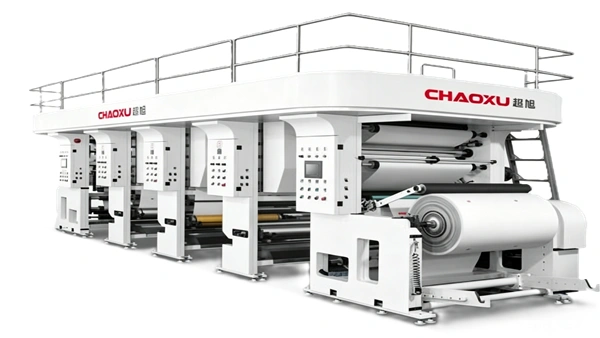
Checklist: Evaluating Flexo Machine Specs for Hidden Costs
Before comparing quotes, review each specification with these questions:
- Drying system: What type is included? What is the energy consumption rating? What are the upgrade options?
- Anilox rollers: How many are included? What is the cost of additional rollers? What is the recommended cleaning and replacement schedule?
- Changeover: What is the typical job changeover time? Is it documented or just estimated?
- Register control: Is it manual, semi-automatic, or fully automatic? Does it compensate for material expansion?
- Maintenance: What is the schedule? Are spare parts available locally? Is training included?
- Material compatibility: Does the machine support your full range of substrates? What are the waste rates for each?
- Service and support: What is the warranty period? What technical support is available after installation?
The Real Cost of "Good Enough" Specifications
One of the most common mistakes in flexo machine buying is selecting a press based on specifications that are "good enough" for today's needs, without considering how those specs will affect operating costs over the machine's lifetime.
A press with slightly lower maximum speed but significantly better energy efficiency may cost less to operate over five years. A press with a higher initial price but faster changeover and lower waste may pay for itself in reduced labor and material costs.
The key is to look beyond the headline numbers and understand the operating cost implications of each specification line.
Frequently Asked Questions
Q1: What is the most common hidden cost in flexo printing machine purchases?
The most commonly overlooked cost is the anilox roller inventory. Many buyers focus on the press price and overlook the $10,000–$50,000+ required to build a usable roller inventory for different ink volumes and substrates.
Q2: How much does energy cost affect flexo press operating expenses?
Energy costs can be significant, especially for drying. Hot-air drying is often the largest electrical load on the press. UV LED systems can reduce curing energy by 40% or more, but the upgrade cost should be compared against projected energy savings.
Q3: What should I ask the supplier about maintenance costs?
Ask for a recommended spare parts list with prices, the expected lifespan of major consumable components (anilox rollers, doctor blades, etc.), and whether training is included in the purchase price.
Q4: How does servo drive affect operating costs?
Servo drives can reduce energy consumption, improve register accuracy, and shorten changeover times. While servo-equipped presses may cost more upfront, the operating cost savings often justify the investment in higher-utilization production environments.
Q5: Is a higher maximum speed always better?
Not necessarily. Maximum speed is only one factor. Changeover time, waste rate, and energy efficiency often have a greater impact on total production cost than top speed alone.
Conclusion
The purchase price of a flexographic printing machine is just the first number you'll pay. The real cost of ownership is shaped by specifications that are often overlooked in the initial evaluation—drying energy consumption, anilox roller requirements, changeover time, register control capability, and maintenance demands.
Before making a decision, review each specification line with these questions in mind: What does this spec actually cost to operate? What happens if we need to change materials? How much will maintenance really cost over five years?
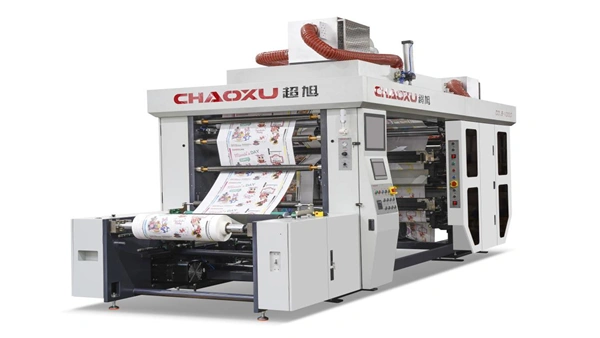
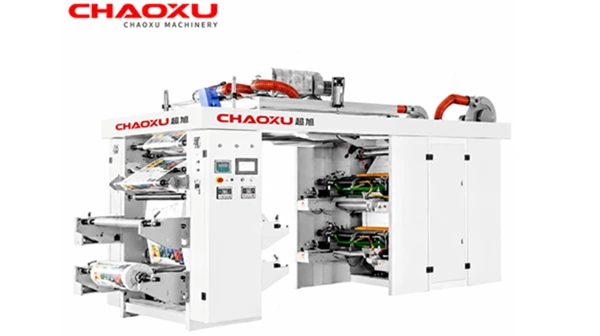
For a closer look at available flexographic printing machine configurations and how they compare across these cost factors, review the detailed model specifications and application guidance at the CHAOXU flexographic printing machine product page.