English
 عربي
عربي 
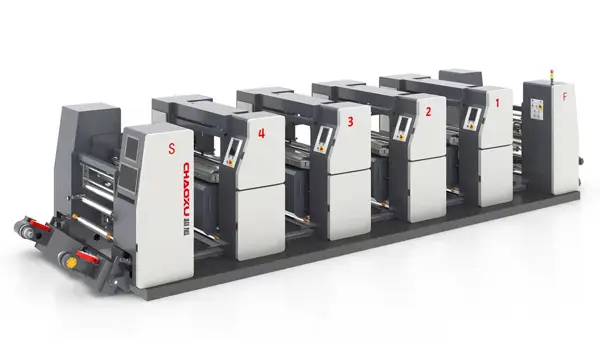
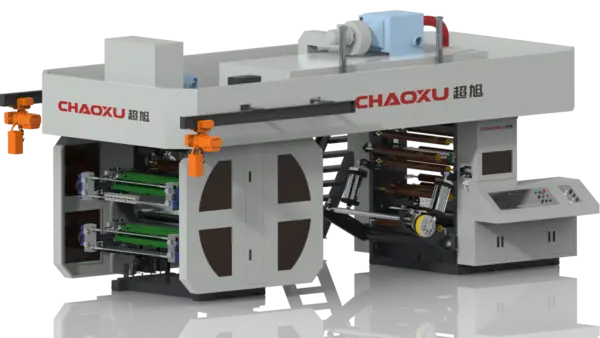
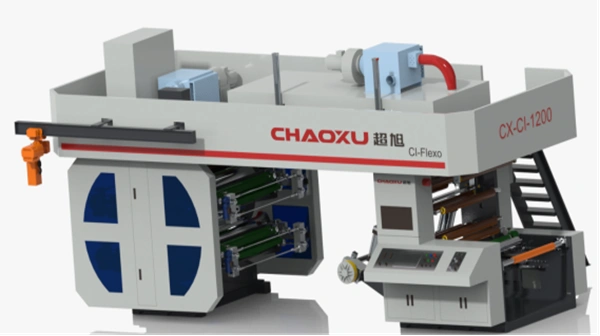
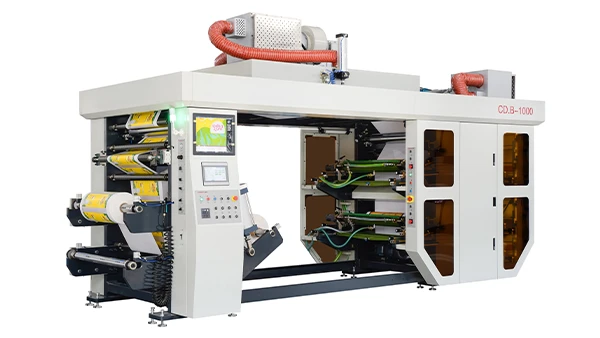
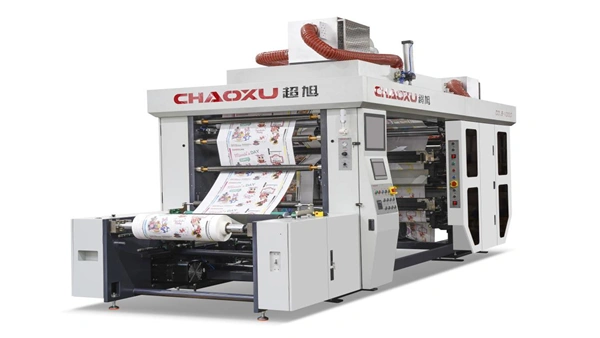
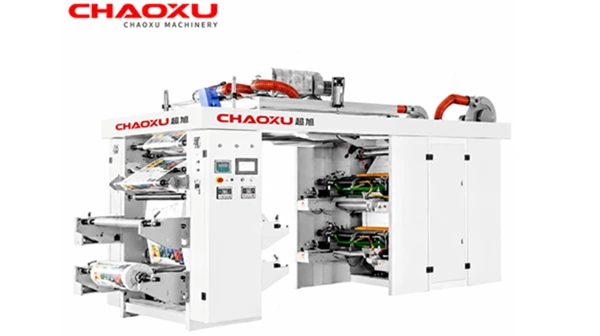
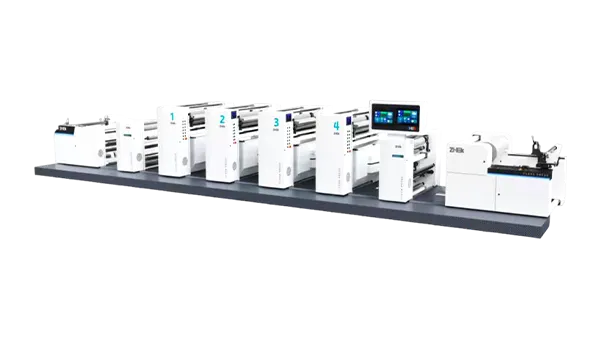
For any brand owner or print shop manager, spotting patchy solids or faded edges on a fresh roll is a sinking feeling. The culprit is usually uneven ink transfer, often caused by mechanical wear in the gear train or inconsistent anilox roll speed. To fix this, you need a system that maintains identical impression pressure across the entire web width, regardless of machine age or running speed. Many turn to Servo Flexo Machine technology as the long-term answer, but let’s break down why the problem happens first—and how to eliminate it without guesswork.
Why Your Current Press Betrays You on Long Runs
You’ve dialed in the viscosity, checked the anilox roll, and even swapped the doctor blades. Yet after 20 minutes, the left side starts looking washed out while the right edge remains crisp. This isn’t your operator’s fault. Traditional mechanical drives use a central gearbox and long line shafts. Over time, backlash builds up. Each gear tooth’s micro-play translates into vibration that massacres ink film uniformity.
From a maintenance standpoint, replacing gears costs thousands and doesn’t solve the root issue—the inability to independently control each printing unit. In a recent shop floor study, over 62% of uneven coverage complaints traced back to cumulative drive train errors, not ink quality. That’s a sobering stat when your customer’s packaging rejects pile up.
The Hidden Cost of “Close Enough” Registration
Let me share a perspective most suppliers won’t tell you: even 0.5mm of dot gain variation can ruin a brand’s logo integrity. When you’re running high-line-screen jobs (150 LPI or above), the human eye detects density shifts immediately. I’ve seen converters lose contracts simply because their old press couldn’t maintain consistent anilox-to-plate speed ratio during acceleration and deceleration.
What happens inside the machine? Without direct drive per station, the plate cylinder speeds up and lags behind the substrate momentarily. That micro-slip creates ink squeeze-out or starvation. The result? Mottled backgrounds and ghosting that no amount of pressure adjustment can fix. You end up slowing production to 50% speed just to keep rejects below 10%—a brutal trade-off.
How Direct Drive Rewrites the Physics of Ink Transfer
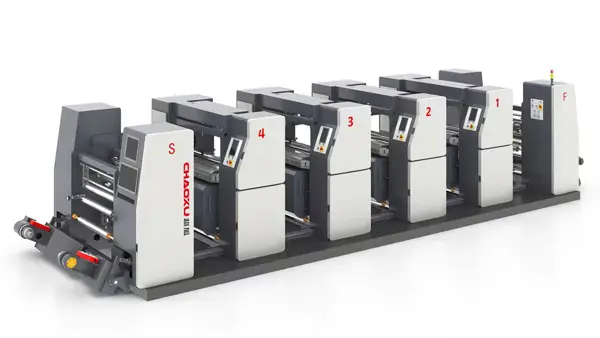
Here’s where engineering takes a sharp turn. Instead of forcing all print decks to obey one central motor, direct-drive technology assigns a dedicated servo motor to each printing cylinder. This means every unit can micro-adjust its angular position in real time. When the main reference changes speed, each motor compensates instantly—no gear lash, no torsional vibration.
Compared to traditional AC or hydraulic systems, the difference in dynamic response is night and day. While a geared press might take 0.3 seconds to correct a speed deviation, a servo-driven setup reacts within 5 milliseconds. That’s 60 times faster. For your print quality, it means the anilox roll and plate cylinder maintain perfect surface velocity match even during emergency stops or rapid restarts. No more start-up streaks, no more braking marks.
One plant manager I spoke with switched to this architecture and saw their solid ink density variance drop from ±0.18 to ±0.03 on a densitometer. That’s the difference between “acceptable” and “wowing” your client.
Real-World Fix: Uneven Coverage on Corrugated Post-Print
Let’s get specific. You’re running B-flute corrugated for a beverage display. The board has natural fluting peaks and valleys. Traditional presses struggle because the impression cylinder cannot automatically adapt its force distribution. The result? Heavy ink on the flute tips, almost none in the valleys—a classic “orange peel” look.
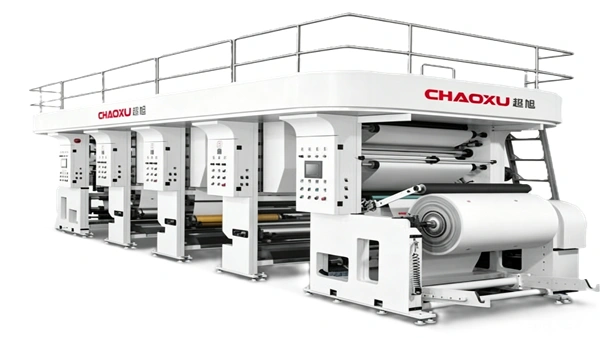
A modern printing solution like the one you can explore application cases here uses closed-loop load sensing at each corner of the impression cylinder. It reads the board’s topography 200 times per second and applies microscopic pressure changes. This is not a feature you’ll find in refurbished mechanical presses. It’s a fundamental rethinking of nip control.
From an operator’s viewpoint, the touchscreen shows a heatmap of pressure distribution. You simply set the target density, and the system self-corrects for board warpage or splice bumps. One of my clients calls this “fire-and-forget” printing—no more tweaking knobs every 15 minutes.
Why Retrofitting Won’t Get You There
I often hear: “Can’t I just add servo drives to my existing press?” Technically yes, practically no. Retrofitting addresses motor control but leaves the mechanical frame and bearings untouched. If your press frame has flexed over 10 years, the bearing journals are no longer parallel. You’re still fighting geometric misalignment that creates diagonal ink streaks.
Moreover, retrofits cannot integrate load cell feedback from every roller. The real magic happens when each motor talks to a central motion controller that also monitors vibration spectrum and temperature drift. That holistic data network is only possible when the machine is engineered from the ground up. So if you’re comparing options, ask suppliers: “Does your system perform automatic gain tuning for each print deck?” The honest ones will admit—only native servo platforms do.
Customization That Matches Your Substrate Library
Every shop has that one tricky substrate: recycled liner, lightweight kraft, or film with low surface energy. Off-the-shelf settings rarely work. This is where tailored engineering shines. A proper supplier should offer adjustable anilox roll indexing, modular chambered doctor blade angles, and pre-programmed substrate profiles.
For example, when printing on rough recycled board, you need a softer impression but higher ink volume. Instead of guessing, you can get selection advice here for customized ceramic anilox rolls with specific cell geometries. The system then remembers the exact engagement curve for that material. Next time you load the job, it recalls the pressure ramp profile automatically. This isn’t convenience—it’s consistency.
One European converter reduced their makeready time from 45 minutes to 8 minutes simply by using job memory recall combined with independent drive synchronization. Less waste, less frustration, and fewer bad sheets hitting the floor.
The Verdict: Perfect Coverage Isn’t a Hope—It’s a Spec
When you step back, uneven ink comes down to one enemy: uncontrolled variables. Gear backlash, frame flex, temperature drift, and speed mismatch each add a layer of randomness. A servo-driven architecture systematically removes those variables through millisecond-level corrections and independent axis control. It transforms printing from an art of constant adjustments into a predictable manufacturing process.
Does this mean every shop needs to replace their entire press room? No. But if your reject rate for solid coverage jobs exceeds 5%, or your brand clients demand ISO 12647-2 compliance, the math changes. The investment in precision pays back through lower material waste, less operator fatigue, and the ability to bid on high-end work you previously avoided.