English
 عربي
عربي 
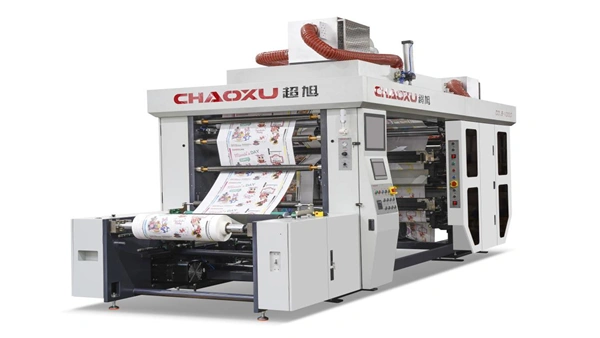
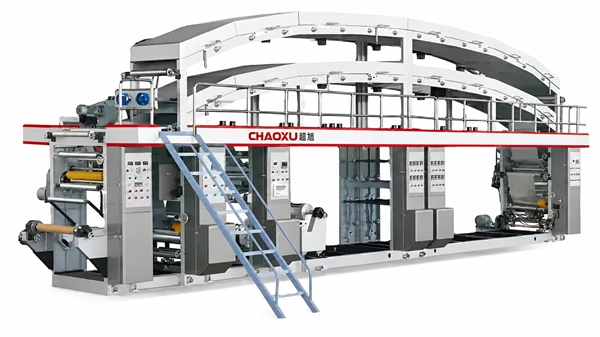
As a packaging printing equipment consultant with 12+ years of hands-on experience working with 60+ factories across Asia and Europe, I can confirm that 2026 will be a watershed year for the industry. The three non-negotiable trends driving all equipment decisions this year are mandatory food-safe low-VOC printing, precision control to eliminate material waste, and modular scalability for mixed-order production. The unit type single servo flexographic printing machine has emerged as the most practical solution for converters looking to align with these trends without overinvesting. According to Smithers’ 2026 Global Flexographic Market Report, servo-driven presses will capture 67% of new installations this year, up from 52% in 2023, as outdated mechanical models are rapidly phased out.
Why Food-Safe, Low-VOC Printing Is No Longer a Choice in 2026
Let me be clear: regulatory compliance is no longer a box-ticking exercise—it’s a license to operate. By the end of 2026, 90% of global food and beverage brands will require their packaging suppliers to use water-based ink printing or UV curing systems that eliminate VOC emissions. This is non-negotiable for paper cup printing, food wrapper printing, and any application involving direct contact with consumables, as violations can result in fines up to €50,000 and permanent loss of brand contracts.
Last year, I worked with a paper cup manufacturer in Zhejiang that was fined €12,000 for VOC emissions from their 10-year-old mechanical presses. They tried retrofitting the old machines to run water-based inks, but the inconsistent ink transfer and frequent downtime ended up costing them more than buying a new press. The reality is that mechanical presses were never designed for modern low-VOC inks—their imprecise tension control and slow drying systems lead to smudging, poor adhesion, and higher waste.
Forward-thinking converters are instead investing in presses built from the ground up to support sustainable materials. These machines optimize ink transfer to reduce consumption by up to 25% and feature integrated drying systems that minimize energy use.
How Precision Control Cuts Scrap Costs by 60% for High-Volume Operations
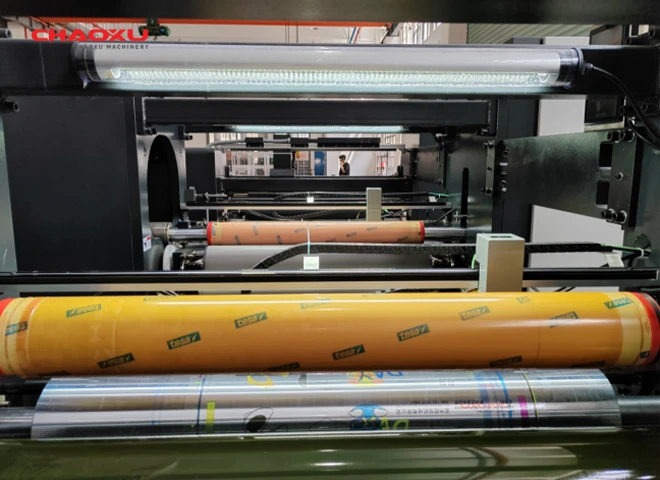
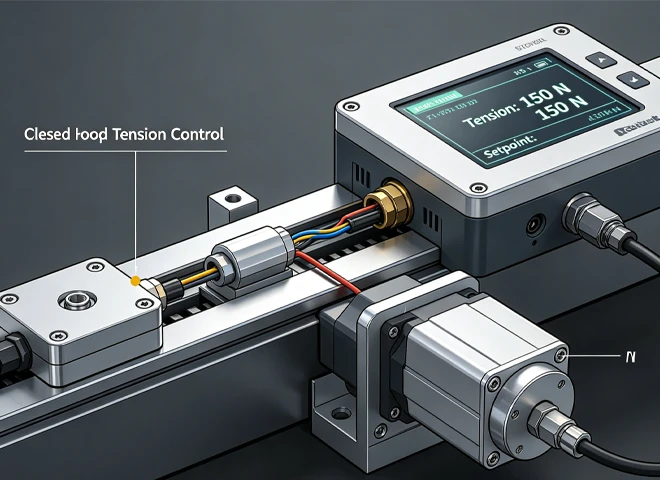
The single biggest complaint I hear from production managers is wasted material from misaligned prints. For 24/7 high-volume operations running 150m/min, even a 1mm registration error can cost $2,000+ in scrap daily. That’s why closed loop tension control and automatic registration inspection will no longer be premium add-ons in 2026—they will be baseline requirements.
These systems continuously adjust web tension throughout the production process, ensuring consistent alignment even at maximum speeds. This is especially critical for thin substrates like 60gsm paper rolls and OPP film, which are prone to stretching during acceleration and deceleration. I recently helped a corrugated carton preprint facility upgrade their control systems, and they reported a 68% reduction in print waste within the first month, with registration accuracy improving to ±0.1mm.
The biggest mistake most converters make is underestimating the cumulative cost of waste. Over a year, a 1mm registration error can add up to $700,000 in lost material and downtime. Investing in precision control isn’t just about improving quality—it’s about protecting your bottom line.
Streamlining Production with Integrated Inline Processing
The biggest efficiency gain in 2026 will come from eliminating redundant production steps. Traditional lines require separate machines for dust removal, printing, drying, and cutting, leading to higher labor costs, longer lead times, and increased material damage between processes. On average, traditional lines have 8-12% material damage from handling, which adds up quickly for high-volume production.
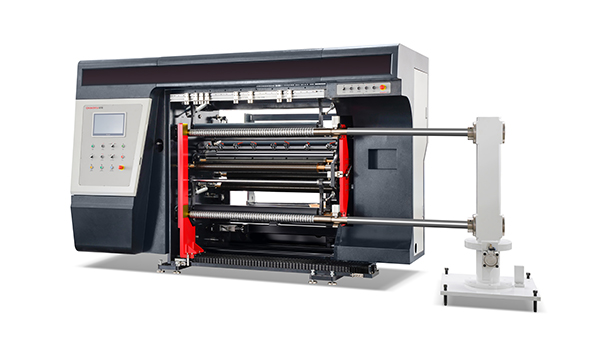
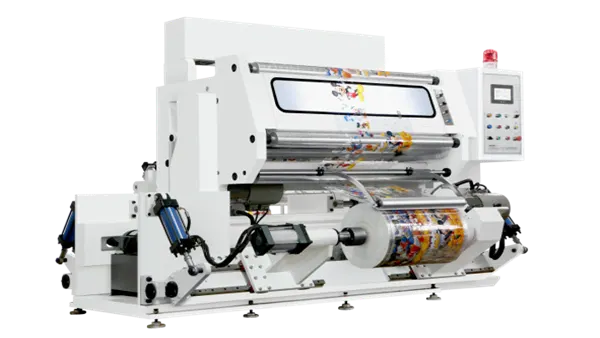
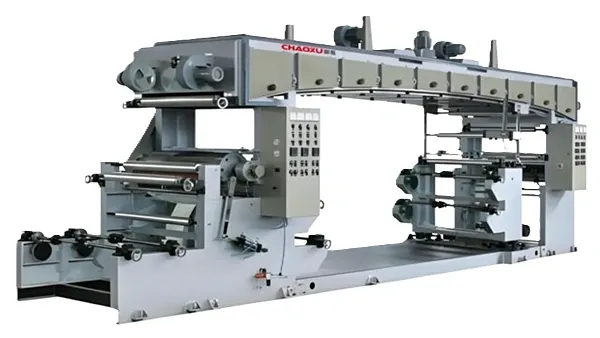
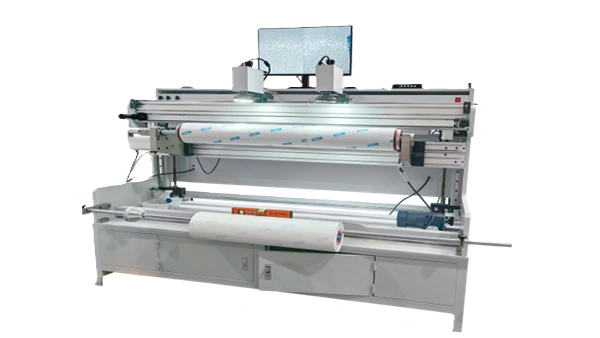
Modern presses now integrate inline dust cleaning, printing, and cutting into a single continuous line, cutting labor requirements by up to 40% and reducing handling damage by 80%. Additionally, integrated hot air drying, IR drying, and UV drying options allow manufacturers to switch between substrate types without full line reconfiguration. This means you can run paper bags one day and PET film the next with minimal downtime.
I worked with a packaging converter in Germany that replaced three separate machines with an integrated line. They reduced their production lead time from 5 days to 2 days and cut their labor costs by 35% within 6 months. The integrated design also freed up 30% of their factory floor space, which they used to add a new finishing department.
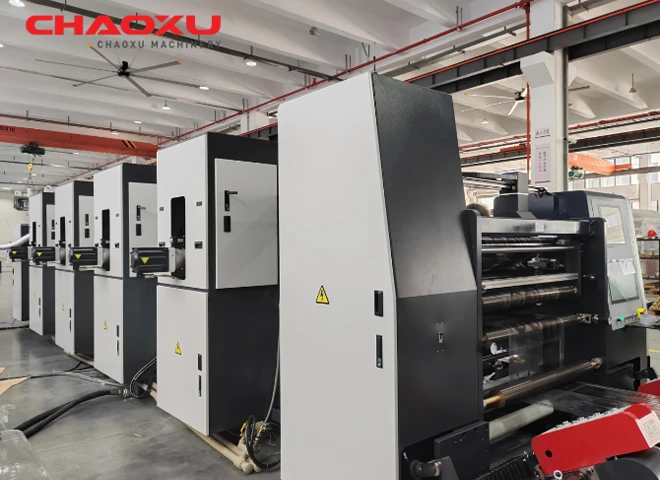
Modular Flexibility: Scale Without Overinvesting in Equipment
Gone are the days when factories had to choose between underpowered small presses and oversized systems that wasted floor space and capital. In 2026, modular flexographic presses will dominate the market, allowing businesses to add or remove printing units as their needs change.
This flexibility is invaluable for SMEs handling a mix of short-run custom jobs and long-run bulk orders. Instead of investing in multiple specialized machines, a single modular press can adapt to produce paper bags, cartons, corrugated preprints, and more. This not only reduces capital expenditure but also maximizes equipment utilization, leading to faster ROI.
For example, a small packaging company in Poland I advised was considering buying two separate presses: one for paper cups and one for cartons. Instead, I recommended a modular system that allowed them to add or remove units as needed. They saved over €100,000 in upfront costs and achieved full ROI in just 18 months.
Choosing the Right Press Configuration for Your 2026 Goals
When evaluating equipment aligned with these trends, converters typically consider three main categories: traditional mechanical presses, multi-servo presses, and the unit type single servo flexographic printing machine. Each has its pros and cons, and the right choice depends on your production volume, budget, and technical capabilities.
- Traditional mechanical presses: Have the lowest upfront cost but the highest operating expenses. They are slow, have poor registration accuracy, and cannot run modern low-VOC inks without costly retrofitting. For most converters, mechanical presses are no longer a viable long-term option.
- Multi-servo presses: Offer top-tier performance with individual control over every axis. However, they come with a steep price tag (often 2-3 times more than other options) and require highly skilled technicians to operate and maintain. This makes them impractical for most SMEs.
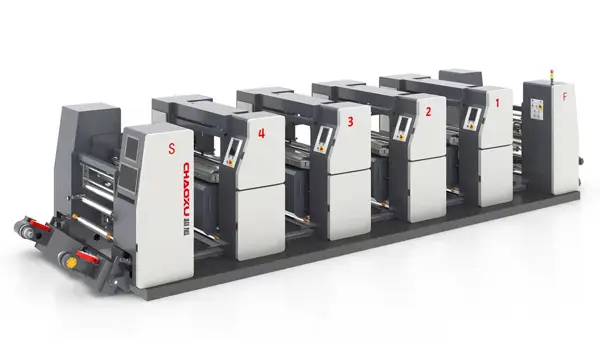
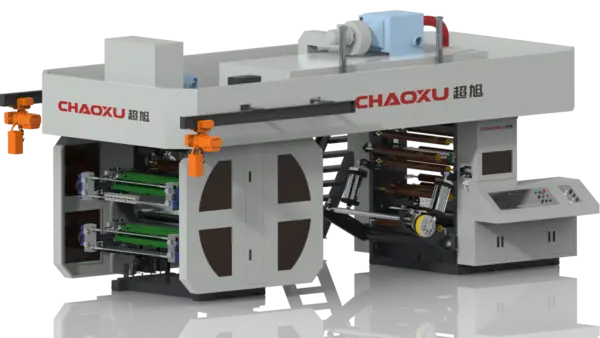
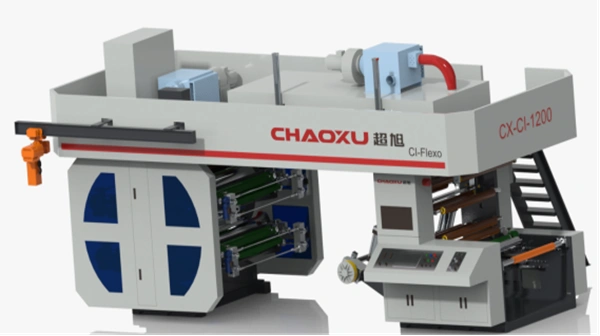
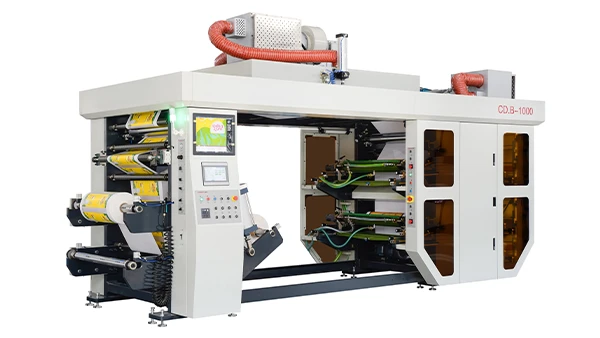
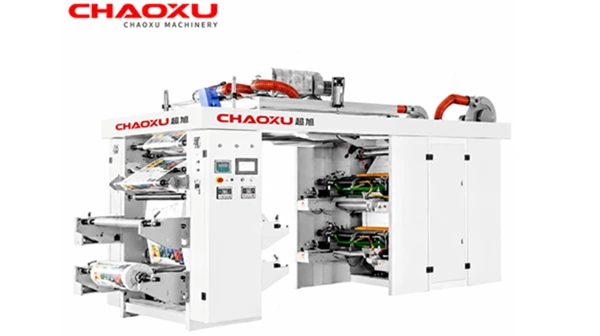
- Unit type single servo flexographic printing machine: Strikes the optimal balance between performance and affordability. It delivers most of the benefits of multi-servo systems at a fraction of the cost, with simpler operation and maintenance. It offers the precision control and integrated processing needed to meet 2026 quality standards, making it the best choice for the majority of converters.
Final Thoughts
As 2026 unfolds, the flexographic industry will continue to evolve rapidly, with sustainability, precision, and efficiency leading the way. Converters that invest in equipment aligned with these trends will not only stay competitive but also position themselves as leaders in the $187 billion global sustainable packaging market.
CHAOXU Machinery has over 15 years of experience designing and manufacturing flexographic equipment for clients worldwide. They offer customized solutions tailored to specific applications and production volumes, with a focus on reliability, ease of use, and long-term support. Whether you’re upgrading an existing line or starting a new facility, choosing a partner that understands your unique needs is critical to long-term success.Request a no-obligation consultation