English
 عربي
عربي 
Think about the last coffee you grabbed on a rushed morning. Before you tasted the roast, you saw the cup. Maybe a minimalist logo, a vibrant seasonal pattern, or a loyalty QR code. That moment—between reaching for the cup and lifting it to your lips—is a brand opportunity that lasts about three seconds.
Now think about what happens when that opportunity fails. Faded colors. Misaligned graphics. Ink smears near the rim. Suddenly, your brand feels careless, not craft.
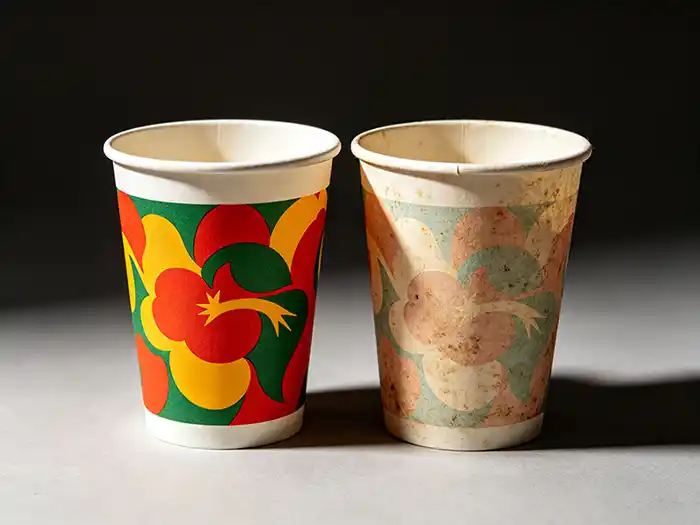
For paper cup manufacturers and brand owners, the gap between “just printed” and “brand elevating” comes down to one question: Are you using a process built for both speed and subtlety?
The Hidden Cost of “Good Enough” Cup Printing
Many converters start with entry-level decoration methods—offset label application or basic stamping. These work for small batches, but they introduce three silent brand killers at scale:
1. Color inconsistency across sleeve changes
Offset labels come from different batches. Even with Pantone numbers, slight substrate variations change how the ink sits. A brand’s signature green shifts between “forest” and “moss” across production runs.
2. Limited real estate for compliance + creativity
Paper cups must display recycling symbols, volume marks, and ingredient disclaimers. Add a brand story or a seasonal illustration, and you’re fighting for millimeters. Low-resolution processes turn tiny type into unreadable smudges.
3. Food safety trade-offs
Some conventional inks don’t cure properly on coated cup stock, leading to off-flavors or migration concerns. Switching to food-safe alternatives often means sacrificing vibrancy or paying for extra barrier layers.
According to a 2023 survey by the Flexible Packaging Association (FPA), 42% of consumers say they would stop buying a beverage brand if the cup printing looked “cheap or damaged.” That’s nearly half your repeat business—eroded by something you can control.
Why Modern Flexo Has Become the Go-To for Paper Cups
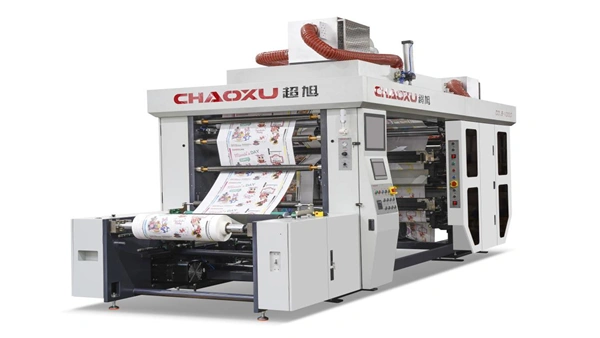
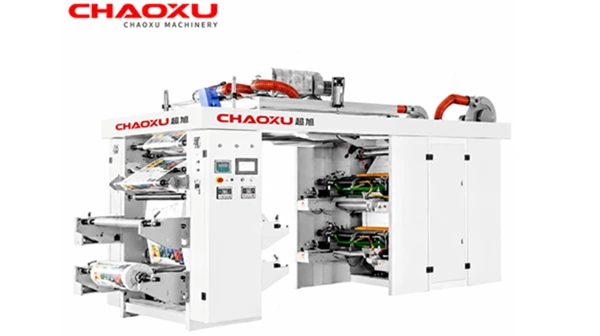
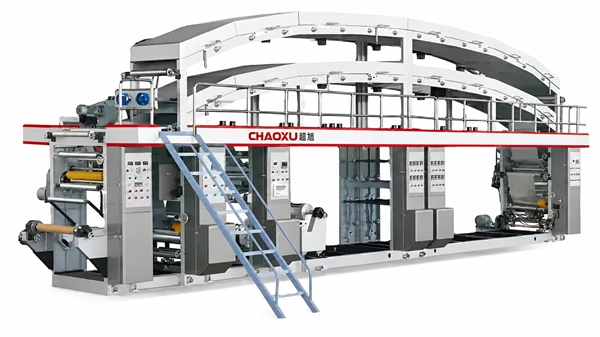
Over the last decade, high-end cup decorators have quietly shifted toward a technology that solves all three problems at once. It’s not new—but recent advances in plate materials, ink formulations, and drying systems have made it unexpectedly powerful for disposable tableware.
Here’s what a well-configured cup printing line now delivers:
| Requirement | Traditional Method Challenge | Modern Flexo Solution |
|---|---|---|
| Color consistency | Batch-to-batch label variation | Closed-loop color control on press |
| Small text & fine lines | Dot gain obscures 4-pt type | HD plates (200 lpi+) hold sharp edges |
| Food-safe inks | Limited anilox compatibility | UV-LED or water-based with low migration |
| Run speed | <100 cups/min for labels | 300+ cups/min with inline finishing |
| Substrate range | Smooth side only | Textured or matte finishes are possible |
A regional cup converter in the Midwest (who asked to remain anonymous) switched from pre-printed labels to direct cup printing using this approach. Their reject rate fell from 8% to 1.2% within six months, and they secured two national coffee chain contracts specifically because of “print quality that matched the brand’s rigid standards.”
5 Signs Your Cup Printing Line Needs an Upgrade
Not every operation needs to change tomorrow. But if you recognize two or more of these signs, it’s worth exploring newer configurations:
-
You reject more than 3% of cups for registration or ink coverage issues.
-
Your brand customers provide Pantone numbers, but you can’t hit them consistently across shifts.
-
You’ve turned down short-run seasonal jobs because changeovers take four hours.
-
Operators manually adjust color during runs more than twice per hour.
-
You use solvent-based inks and worry about future FDA/EU food contact regulations.
If any of these sound familiar, you don’t necessarily need a new press. But you may need a different approach to cup-specific configurations—especially around mandrel design, quick-change sleeve systems, and drying length. See how modular cup-printing setups address these five pain points using real production data.
Beyond Printing: What Elevates a Brand Long-Term
Sharp graphics get the first sip. But brand loyalty comes from what the cup doesn’t have: no ink rub-off on customers’ hands, no funny taste, and no recycling confusion.
That’s where material compatibility matters. High-quality cup stock has a clay coating that accepts water-based or UV inks differently from raw paper. A press that lets you fine-tune impression pressure and anilox volume for coated vs. uncoated surfaces gives you flexibility across multiple cup lines.
One European disposable packaging producer shared this insight: “We used to run everything on the same settings. Now we profile each cup type—cold cups, hot cups, and double-wall. Our best customer said our prints look ‘effortless.’ That’s not luck. That’s knowing how to match ink, plate, and substrate.”
The Sustainability Angle That Sells Itself
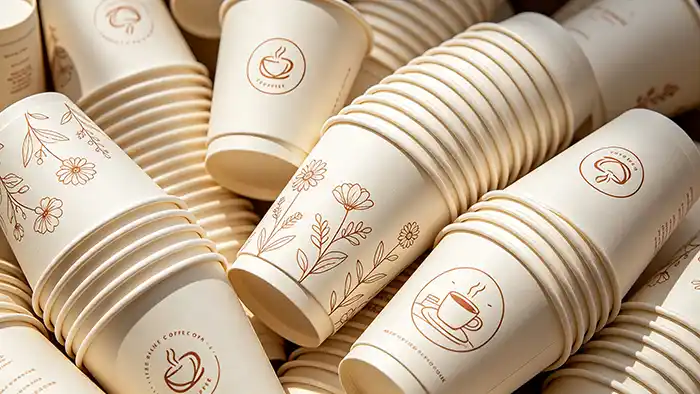
Brands are under pressure to eliminate plastic and improve recyclability. Direct printing on cups—without a plastic label sleeve—makes the cup mono-material and easier to recycle. Some forward-thinking roasters now market “no plastic sleeve, no compromise” as a differentiator.
Modern water-based ink systems for cup lines also produce lower VOCs than solvent-based alternatives, helping you meet local air quality regulations without expensive abatement equipment.
*According to a 2024 report from Smithers, the market for directly printed paper cups will grow at 7.8% CAGR through 2030, driven by brand demand for plastic-free packaging.*
Making the Shift Without Disrupting Production
If you’re currently running labels or outdated decoration, the thought of changing technology feels risky. But cup-specific configurations today are designed for gradual adoption:
-
Retrofit kits for existing unwind/rewind stands
-
Sleeve technology that cuts changeover time from hours to minutes
-
Training programs that bring your operators up to speed in days, not months
The key is finding a partner who understands cups—not just printing. Cup geometry (tapered walls, rim strength, bottom curl) affects how ink lays down. A press built for flexible packaging won’t necessarily handle a flimsy 8-oz cold cup without wrinkling.
What Successful Cup Printers Do Differently
After speaking with plant managers across ten countries, three habits stand out:
-
They profile every job – storing anilox, plate, and tension settings by SKU.
-
They test inks monthly – verifying migration limits even if nothing has changed.
-
They treat cup handling as part of print – from cone angle to rim protection.
You don’t need a massive budget to start. But you do need equipment that gives you control over the variables that matter for cups: low-tension web handling, quick sleeve changes, and drying that doesn’t scorch thin stock.
If you’re evaluating how to bring cup printing in-house or upgrade an existing line, explore configuration options designed specifically for paper cup production. You’ll find technical comparisons, case summaries, and a checklist for auditing your current cup print quality.
Final Question for You
Think about your top three cup-using customers. Would they describe your current print quality as “protecting their brand”—or just “good enough”? If you’re not sure, the next batch you ship will tell you. Customers always notice.
Disclaimer: Ink migration and food contact compliance vary by jurisdiction and specific ink chemistry. Always consult your material suppliers and regulatory advisors before changing production methods.