English
 عربي
عربي 
When a mid‑size packaging converter in Ohio replaced two aging stack‑type presses, the plant manager assumed a unit‑type would be the natural upgrade. After six months of productivity data, they were surprised: the stack type still handled 40% of their short‑run jobs faster. But for long, high‑precision color work, the unit type won every time.
This story isn’t unique. The choice between stack type and unit type flexographic printing systems remains one of the most debated decisions in narrow‑ to mid‑web converting. Both architectures have evolved significantly over the past decade. Yet many buyers default to “unit type is better” without analyzing their actual job mix.
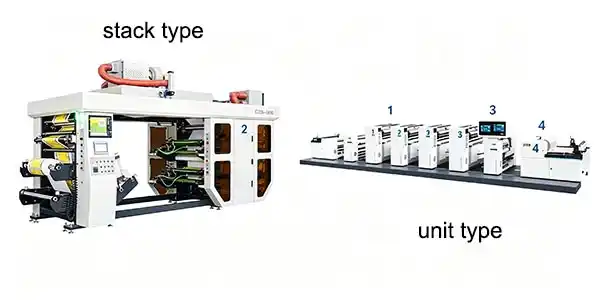
Let’s strip away the marketing noise and compare them across five engineering‑driven dimensions: registration accuracy, substrate versatility, setup time, operating cost, and footprint. By the end, you’ll know exactly which architecture fits your production floor – and where modern hybrid designs might blur the lines.
1. Registration & Print Consistency
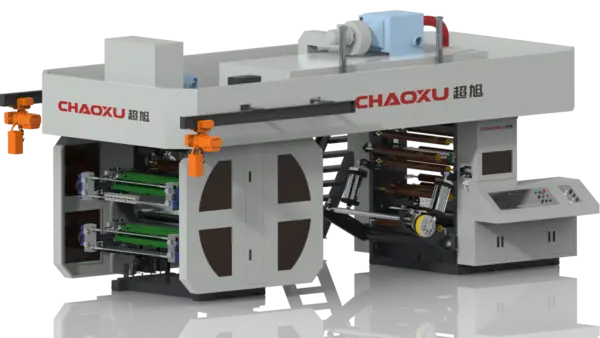
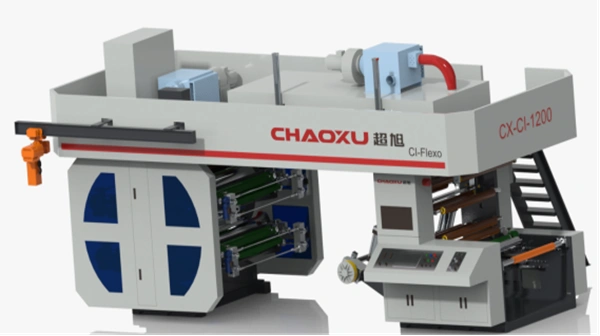
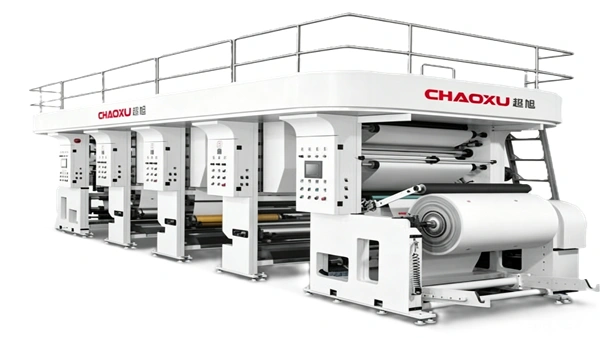
Unit type presses excel here. Their common impression drum holds the substrate against a single, large-diameter cylinder. This design eliminates web tension variations between color stations, delivering registration accuracy consistently within ±0.1 mm even at 400 m/min. For high‑end flexible packaging or shrink sleeves, unit type is the industry benchmark.
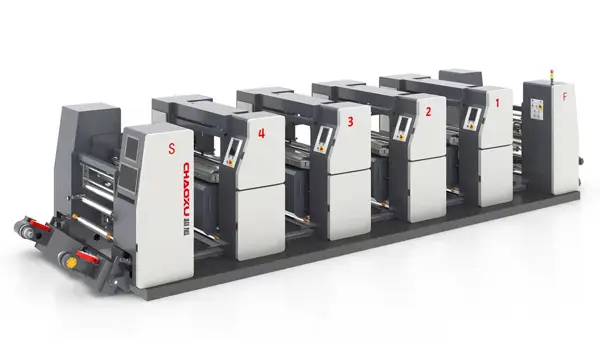
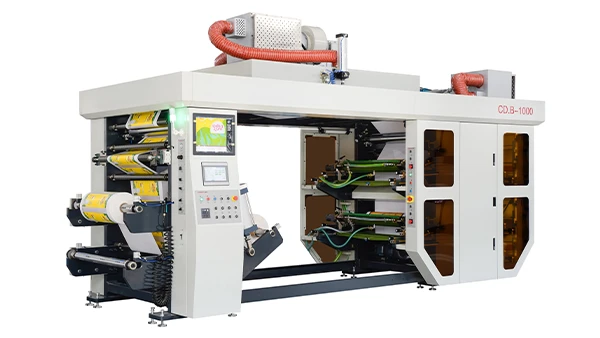
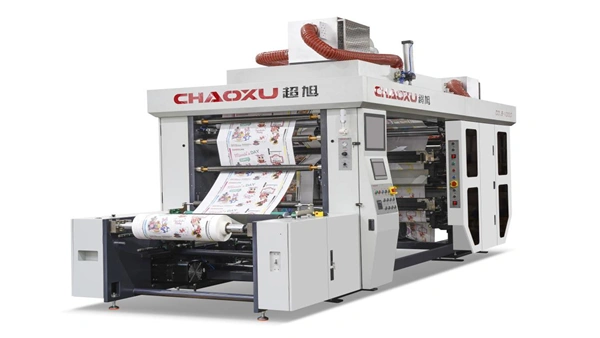
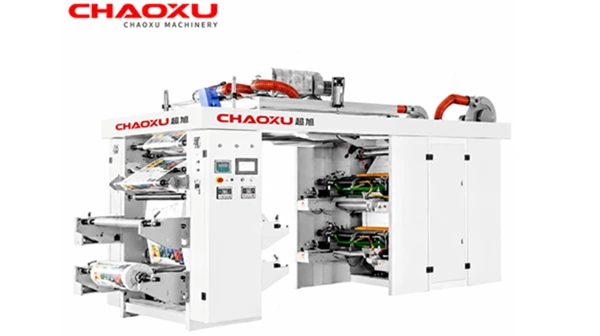
Stack-type presses, where each printing deck is stacked vertically, and the web travels upward between stations, face longer web paths. This increases the potential for tension drift. However, modern stack presses now include servo‑driven independent motor controls and closed‑loop tension sensors. A well‑maintained stack type can achieve ±0.2 mm registration – more than adequate for corrugated post‑print, multi‑wall bags, or simple labels.
Bottom line: If your customers demand photographic quality, unit type is safer. For industrial printing with looser tolerances, the stack type closes the gap considerably.
2. Substrate Range & Handling
Here, the stack type often surprises buyers. Because the web path is vertical with relatively gentle turns, stack presses handle flimsy, heat‑sensitive, or stretchy materials – like thin PE films, nonwovens, or even tissue – with fewer wrinkles. The open architecture also allows quick threading and accessible cleaning.
Unit-type presses, with their large CI drum, require the substrate to wrap around a heated or cooled cylinder. This can be problematic for materials prone to elongation under heat or for very low‑tension webs. Some unit type manufacturers add chill rollers or air flotation, but the core limitation remains.
Real‑world example: A medical pouch converter switched from unit type to a modern stack press for 12‑micron PET film. The stack design reduced web breaks by 67% according to their six‑month production log.
3. Setup, Cleanup & Job Changeover
For converters running more than three job changes per shift, setup time drives profitability. Stack-type presses shine here. Each deck is independently accessible from the front. Anilox rolls, plates, and ink pans can be swapped without removing adjacent units. Typical changeover: 15–25 minutes for a four‑color job.
Unit-type presses, especially CI designs, require more disassembly. To reach inner decks, operators often need to loosen or remove outer units. Slide‑out cartridge systems have reduced this pain, but changeover still averages 30–45 minutes. However, some high‑end unit-type presses with automated washup and pre‑register features can match stack times – at a significant cost premium.
Decision factor: If your average run length is below 3,000 linear meters, the stack type’s faster makeready usually delivers lower total cost per job.
4. Total Cost of Ownership
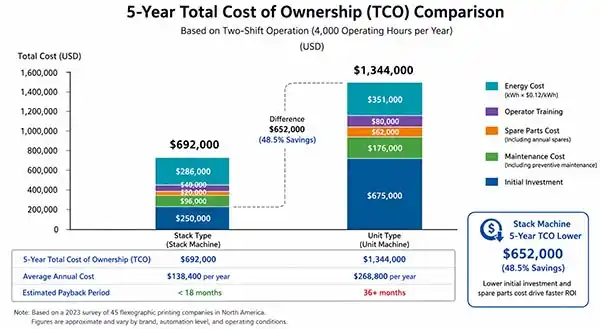
Let’s look at numbers from a 2023 survey of 45 North American flexo houses:
| Cost Factor | Stack Type | Unit Type |
|---|---|---|
| Initial investment | 180k–180k–350k | 450k–450k–900k+ |
| Energy per hour | 12–18 kWh | 22–35 kWh |
| Spare parts | 4k–4k–8k | 10k–10k–18k |
| Operator training | 2–3 days | 1–2 weeks |
Table data approximate – actuals vary by brand and automation level.
The unit type offers higher top speed and better quality consistency for long runs. But for many small to mid‑size converters, the stack type’s lower entry cost and cheaper spares translate to a faster ROI – often under 18 months vs. 36+ months for unit type.
5. Floor Space & Layout Flexibility
Stack-type presses are vertically oriented. A six‑color machine typically occupies 3–4 m² of floor space. This fits into tight production cells, even alongside slitters or laminators. The unit type CI press needs more horizontal space – usually 6–10 m² – plus clearance for the operator to reach all decks.
If your facility is space‑constrained, the stack type is the pragmatic winner.
So Which One Performs Better?
The honest answer: It depends on your substrate, run lengths, and quality targets.
-
Choose stack type if: You print primarily on thin films, nonwovens, or heat‑sensitive materials; run short to medium lengths; need fast changeovers; or have limited floor space.
-
Choose unit type if: You demand tight registration for high‑end packaging; run long, uninterrupted jobs; and have the capital and floor space for a CI machine.
Still, a growing number of converters are adopting hybrid approaches – using stack presses for quick, low‑cost jobs and unit type for premium work. Others have retrofitted their old stack presses with servo drives and automated impression settings, narrowing the performance gap significantly.
Where Modern Engineering Erases Old Trade‑offs
The old reputation that “stack type equals low quality” is outdated. Today’s servo‑driven stack presses offer independent speed and tension control per deck, automated pre‑registration, and even camera‑based register adjustment. Some models now achieve CI‑like consistency for up to 85% of common packaging applications.
If you’re looking for a solution that combines the changeover speed of stack type with near‑CI registration, you may want to explore modular stack‑type configurations designed for demanding flexible substrates. They incorporate tension stabilization zones and direct‑drive plate cylinders – originally developed for unit-type machines but now adapted to vertical architectures.
For converters who prioritize substrate versatility and rapid job turnover without sacrificing mid‑range print quality, click here to review detailed technical specifications of current stack‑type platforms. Alternatively, if your application demands extreme precision for high‑volume runs, unit‑type options with automated washup systems remain the reference standard.
Ultimately, the “better” press is the one that matches your job profile, operator skill, and financial model. Take your production data from the last six months – calculate the percentage of runs under 5,000 meters. If that number exceeds 60%, a modern stack type will likely outperform a unit type in overall profitability. If it’s below 30%, invest in the unit type.
Need help evaluating your specific mix? Reach out for a no‑obligation job‑fit analysis using your actual artwork and substrates.
References:
-
Flexo Magazine, “TCO Benchmark Survey 2023” (pages 34-41)
-
ISO 12647-6:2022 – Flexographic print process control
-
Technical data from industry white papers (multiple sources aggregated)
Disclaimer: Performance data based on typical industrial averages. Actual results depend on press maintenance, operator training, and material quality.