English
 عربي
عربي 
Every Monday morning, Paul, a shift supervisor at a mid-sized label converting plant, faces the same ritual: his team spends nearly two hours setting up a new job. Plates need mounting, inks need matching, and the slitter blades require manual repositioning. While the press sits idle, Paul calculates the lost revenue. His story is not unique. Across the flexible packaging and label industry, converters are grappling with shorter runs, labor shortages, and relentless pressure to cut waste. The question is no longer if automation will come to flexo and slitting departments—it’s how quickly it can bridge the gap between isolated machine islands.
According to a 2025 survey by the Flexible Packaging Association, 62% of converters ranked “reducing job changeover time” as their top automation priority, followed closely by real-time quality monitoring. The industry is responding. Advances in servo drives, machine vision, and IoT connectivity are turning standalone printing and slitting equipment into synchronized, data-driven production cells. For converters still relying on manual processes, the performance gap is widening. Those looking to close it are increasingly evaluating integrated printing and slitting configurations that unify these steps in a single pass.
Trend 1: Auto-Registration and Closed-Loop Color Control Take Over
Gone are the days when registering a six-color job meant an operator squinting through a loupe and tweaking dials. Modern web-fed presses now employ high-resolution cameras and servo-driven impression rolls that auto-register within a few impressions. Closed-loop color systems, using spectrophotometers from industry-standard suppliers and integrated directly into press controls, continuously measure delta E and adjust ink keys in real time. The result? Makeready waste drops from hundreds of meters to under 30 meters in many applications.
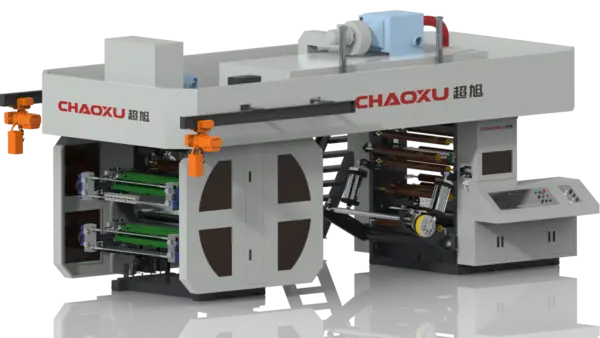
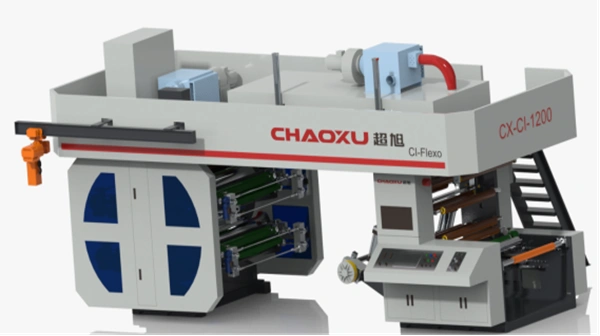
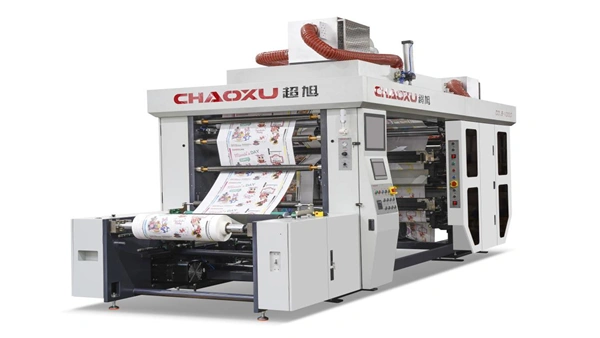
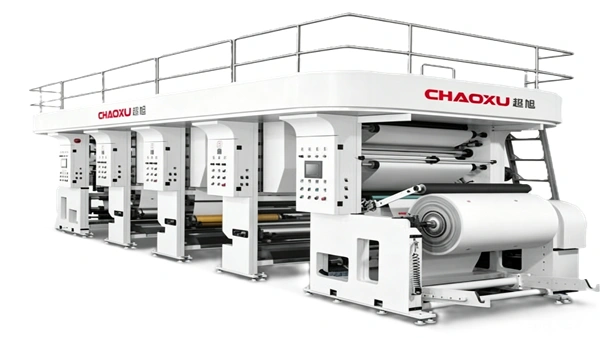
While traditional flexographic printing machines relied heavily on operator intuition for register and color balance, newer systems encapsulate that expertise into software. For instance, a label converter in Ohio reported that after retrofitting their existing CI flexo press with an automatic register and spectral color system, changeover time dropped by 43% and color complaints from their cosmetics brand customers fell to zero in six months. This shift has profound implications: it enables profitable short runs (think 5,000 linear meters or less) that would previously have been sent to digital, keeping flexo competitive.
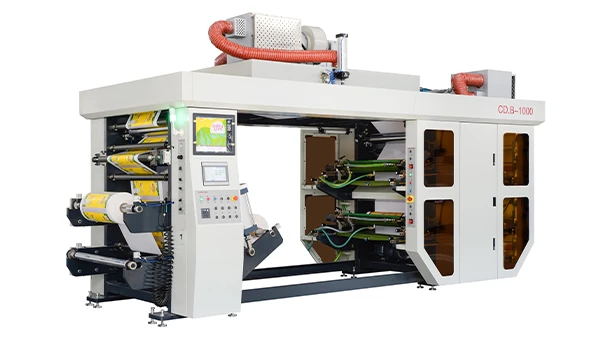
For converters looking to capitalize on these advances, modern CI flexo presses with integrated auto-register are now more accessible than ever. See how automated CI flexo presses can reduce your setup waste.
Trend 2: Inline Slitting Moves from Fixed to Flexible
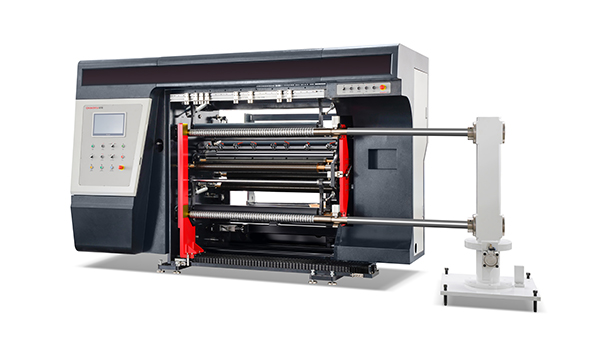
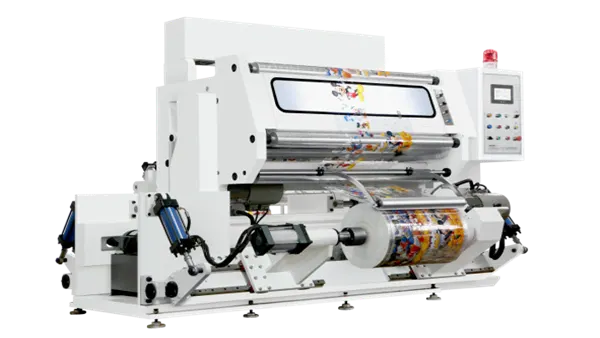
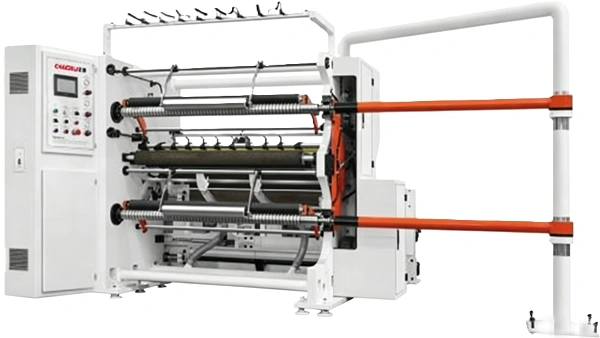
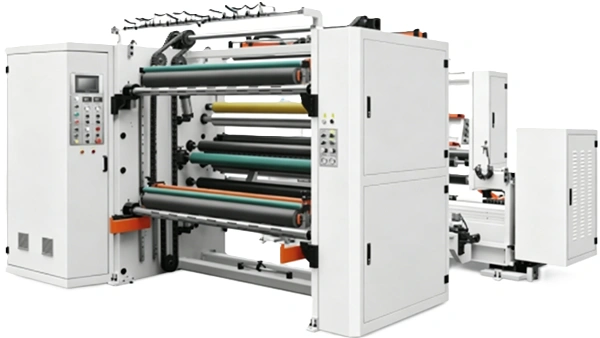
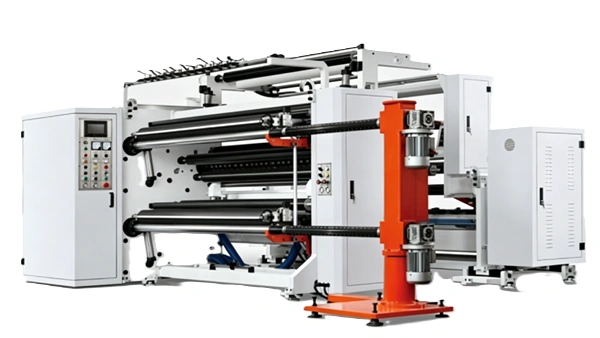
Slitting and rewinding are often the forgotten bottlenecks. Traditional duplex or turret slitters require operators to manually set blade positions, nip pressures, and tension zones. But the industry is now adopting automatic knife positioning systems driven by recipe management. Once a job is queued on the central HMI, servo motors slide individual slitting cartridges into position within seconds, achieving tolerances of ±0.1 mm.
This automation matters because it allows instant job recall, eliminating trial runs on setup. In corrugated pre-print or film slitting, where multiple slit widths are common, the time saved is dramatic. One Indian flexible packaging plant integrated an automated slitter with their press line and boosted overall equipment effectiveness (OEE) from 65% to 78% within three months, primarily through reduced setup waste and higher uptime.
Notably, the integration of slitting and printing data means the operator no longer needs to re-enter job parameters. The press sends job dimensions, repeat lengths, and even material caliper data directly to the slitter. This level of synchronization demands robust communication protocols, often leveraging the PackML standard.
Trend 3: Predictive Maintenance and IoT-enabled Insights
The third wave of automation is less visible but equally impactful: sensors and machine learning algorithms that predict failures before they happen. Vibration sensors on anilox rolls, temperature monitors on UV lamps, and tension load cells are all streaming data to edge devices. The system learns normal patterns and flags anomalies, sending alerts to maintenance teams’ phones.
Consider a large-scale converter of stretch film: by implementing a predictive maintenance platform across their press and slitting line, they reduced unplanned downtime by 27% year-over-year. The system even correlates anilox roll vibration with upcoming cleaning cycles, so maintenance becomes condition-based rather than calendar-based. This is a game-changer for lean operations.
What This Means for Your Operation
The convergence of these trends means that a converting line no longer has to be a set of discrete machines with manual bridges. Today’s flexographic printing machines act as nodes in a digital ecosystem, exchanging data with slitters, ink kitchens, and ERP platforms. For the plant manager, this translates into lower costs per linear meter, higher repeatability, and the ability to accept a wider mix of jobs without expanding headcount. For the press operator, it means less repetitive physical work and more focus on process oversight.
Based on case studies and machinery benchmarks, converters that adopt integrated automation across printing and slitting typically see:
-
Makeready waste reduced by 50–70%
-
Job changeover time cut by 40–60%
-
Overall OEE gains of 10–20 percentage points
-
Labor cost savings that can offset the investment within 18–24 months
However, automation is not a magic switch. It requires clean data, standardized processes, and a workforce trained in digital skills. The companies that succeed treat it as a cultural shift, not just a capital expenditure.
Preparing Your Line for the Next Wave
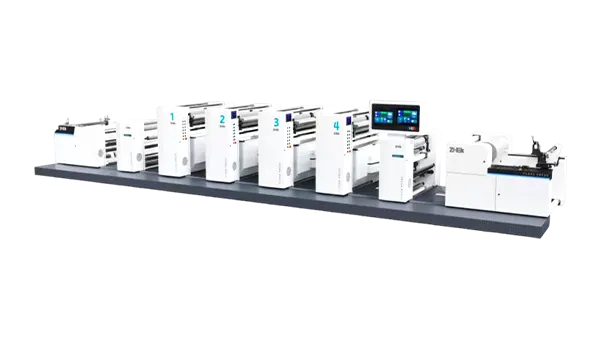
Whether you are specifying a new line or upgrading an existing one, the key is modularity. Look for a press architecture that supports incremental automation—starting with auto-register, then adding closed-loop color, and later integrating with automated slitting. This staged approach reduces upfront risk and allows your team to adapt gradually.
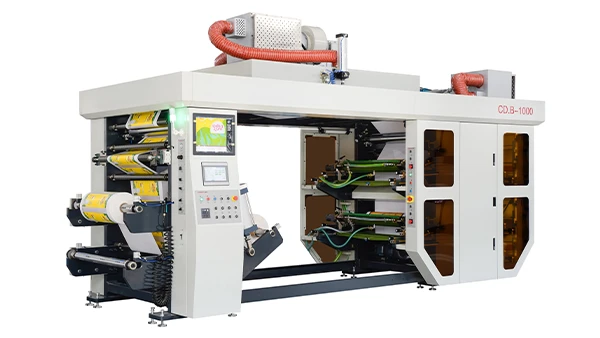
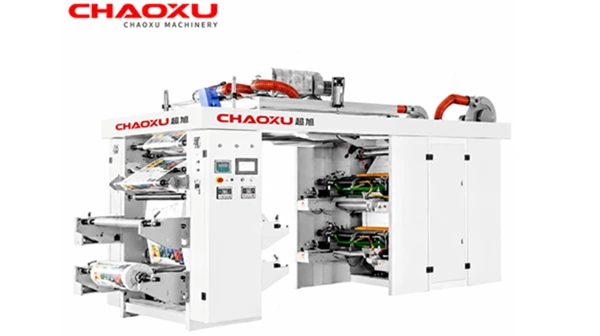
When evaluating equipment, pay attention to the control architecture. Does it support open communication standards like OPC UA? Can it export job data seamlessly to your ERP? Is the slitting module available from the same supplier for a guaranteed integration? These questions matter more than maximum speed figures. Selecting a flexographic printing machine today means assessing its digital backbone as much as its mechanical precision.
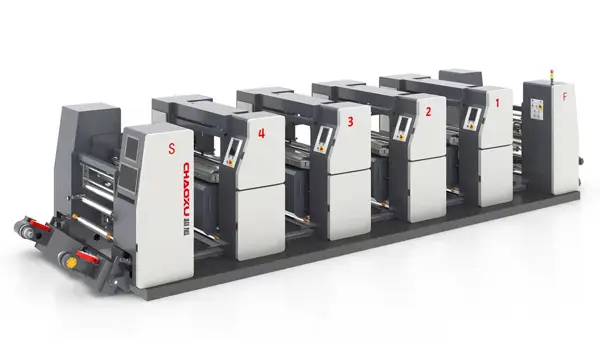
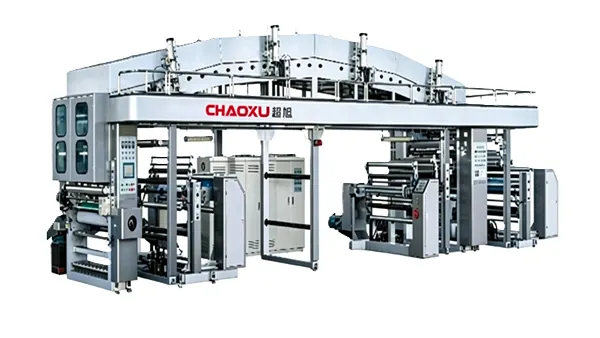
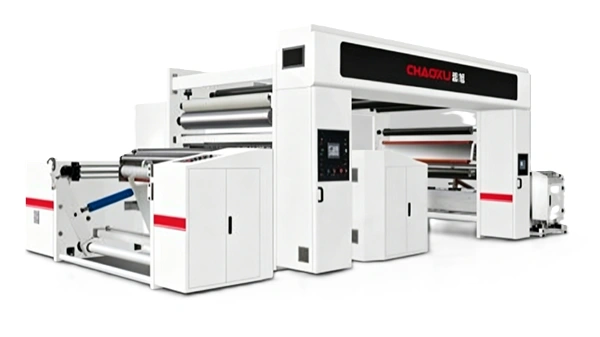
One manufacturer that has embraced this modular, automation-forward philosophy is Chaoxu. Their converting platforms are designed with a unified control backbone, enabling operators to manage both printing and slitting from a single interface. For example, their current CI flexo series can be equipped with automatic pre-register systems and real-time inline inspection, then connected to a servo-driven duplex slitter that recalls recipes automatically. This approach has attracted the attention of converters in Southeast Asia and the Middle East who are looking for a practical bridge from manual operation to smart factory status.
If you’re evaluating a line upgrade or a new installation, it helps to see how different configurations align with your product mix. Request a custom line assessment and see where automation can deliver the fastest payback in your plant.
Closing Thoughts
Automation in flexo and slitting is no longer a futuristic concept—it’s a practical, accessible reality reshaping converting floors right now. The leading converters are leveraging it to slash waste, improve quality, and respond to brand owners’ shrinking order volumes and faster turnaround demands. As you walk your plant floor, listen to the rhythm of manual adjustments and ask: how much of this can software and servos handle better? The answer might surprise you, and the investment might pay back sooner than you think.
Disclaimer: This article contains general market insights and does not constitute technical advice. All performance data draws on third-party reports or customer-supplied case studies. Always consult with automation specialists before making capital equipment decisions