English
 عربي
عربي 
Every day, millions of paper cups leave production lines – but their prints tell very different stories. A blurred logo, a peeling batch code, or inconsistent colour across 100,000 cups can ruin a brand’s morning coffee experience.
For packaging converters and cup manufacturers, the pressing question isn’t “which printer is cheaper?” but “Flexo or Gravure – which method consistently delivers quality, efficiency, and ROI for paper cups?”
Let’s cut through the marketing noise. Based on industry standards and real feedback from high-volume cup plants, here’s an honest, technical breakdown.
1. Print Quality: Dot Shape & Consistency
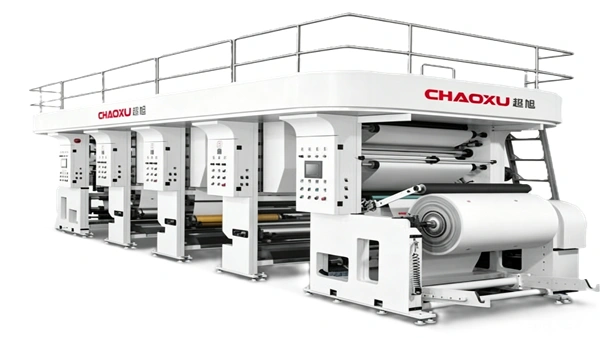
Gravure excels at fine details and smooth gradients. The engraved cylinder deposits a thick, consistent ink film, producing rich solids and sharp type. For photographic images on cups, gravure is often the gold standard. However, gravure is prone to “rosette” patterns and can show screen dots under magnification.
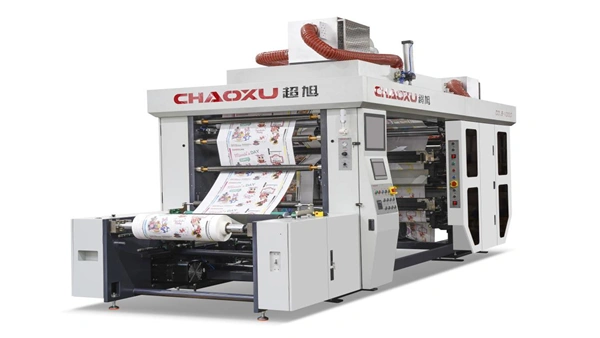
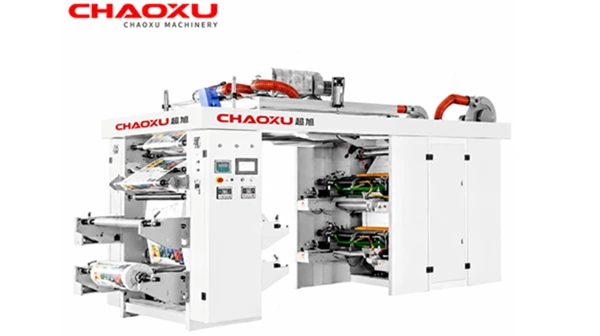
Flexo has evolved dramatically. Modern flexo presses use high-definition plates, closed-loop ink management, and precise anilox rollers. Today’s flexo can achieve 175 lpi or more, with dot gain well controlled. On uncoated paper cup stock, flexo’s “kiss-touch” impression reduces ink strike-through and keeps the cup’s inner PE layer intact.
Verdict: Gravure wins for ultra-high-end photo reproduction; flexo wins for consistent, clean results on porous cup materials.
2. Cost Structure: Where Your Money Goes
| Factor | Gravure | Flexo |
|---|---|---|
| Initial investment | High (engraving machines + cylinders) | Moderate to high (press + plates) |
| Tooling cost | Very high per cylinder (engraving, chrome plating) | Low per plate (photopolymer) |
| Setup time | 2–4 hours per job | 20–40 minutes |
| Material waste | 800–1500 cups per changeover | 60-300gsm paper roll and OPP,PET,PVC |
| Running speed | 300–500 m/min | 200–400 m/min (stack/CI) |
Gravure becomes economical only for extremely long runs. Flexo dominates for medium to long runs and is the only viable choice for short runs or seasonal designs.
3. Speed & Efficiency on Cup Lines
Gravure presses often run faster – up to 500 m/min. But that raw speed ignores effective throughput. With gravure, every colour change means pulling heavy cylinders, cleaning, and re-registering. Flexo presses, especially central impression or stack types, allow quick sleeve changes and automatic register control.
For paper cups, many converters run flexo at 250–350 m/min and still beat gravure’s daily output because of reduced downtime. A typical 6-colour cup job can be changed over in under an hour on flexo – gravure needs half a shift.
4. Environmental & Regulatory Compliance
Paper cups face increasing scrutiny over inks, solvents, and recycling.
-
Gravure traditionally uses solvent-based inks. While water-based gravure exists, drying becomes tricky on non-absorbent cup surfaces.
-
Flexo easily runs with water-based or UV-LED inks. Many cup plants now adopt low-migration flexo inks that meet EU food contact standards.
Also, flexo’s reduced waste per changeover means less incinerated scrap – a key metric for brands targeting zero waste.
5. Job Change Flexibility & Customisation
Short runs, regional cup designs, or promotional prints are nightmares for gravure. Each new design requires a new engraved cylinder. Flexo uses photopolymer plates that can be stored or remade easily.
If you serve coffee chains that update cup graphics monthly, flexo is the only practical answer.
So Which One Wins for Your Cup Line?
Choose Gravure if:
-
You print the same cup design for years.
-
Volume exceeds 5 million cups per design annually.
-
You need the highest possible gloss and photographic detail.
Choose Flexo if:
-
You run medium volumes (200k to 2M cups) per design.
-
Your customers demand short runs, quick turnarounds, or seasonal variants.
-
You want lower start-up costs and less waste.
-
You need to comply with strict VOC or food-contact regulations.
For most mid-size to large cup manufacturers, flexo offers the best balance – especially with modern press features like automatic register, chambered doctor blades, and quick-change sleeves.
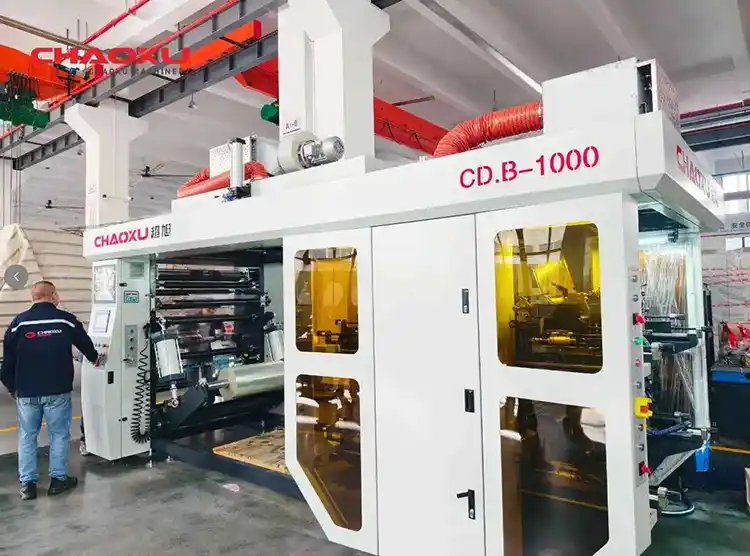
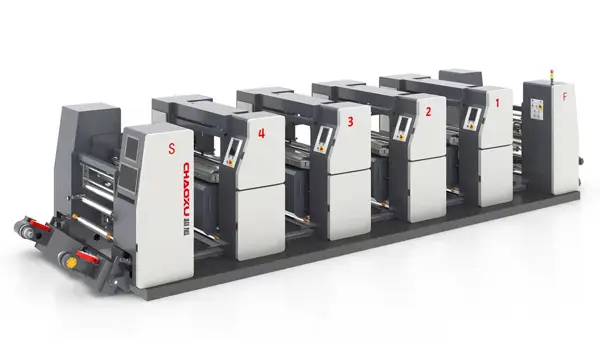
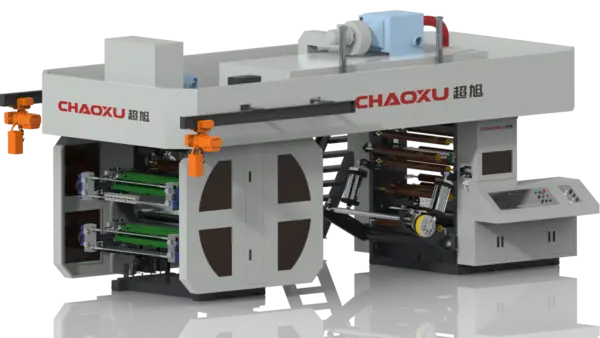
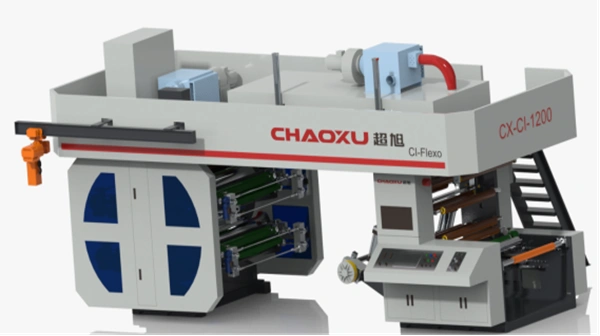
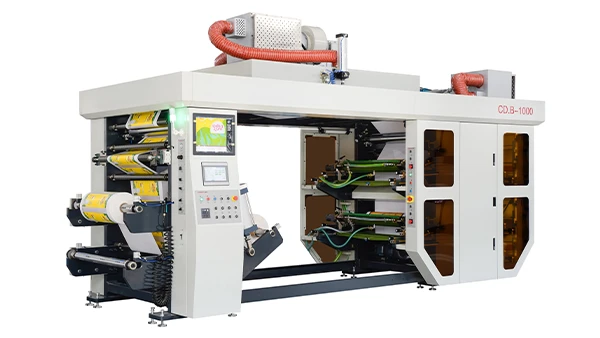
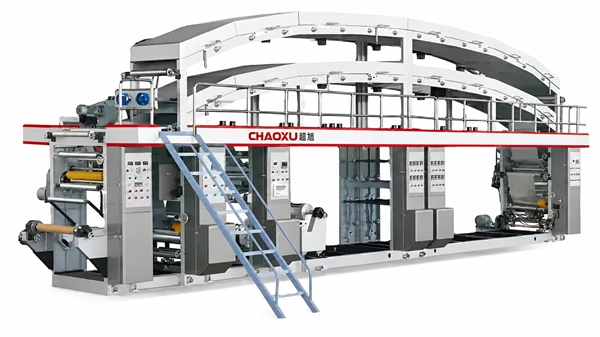
If you’re leaning toward flexo but need to verify specific capacities (print width, repeat length, drying configuration) for your cup dimensions, you can check detailed specifications of current flexo solutions designed for paper cup pre-print rolls.
Beyond the Press: What About Integration?
One overlooked factor is how the printing method works with downstream processes – cup forming, punching, and sealing. Flexo’s thinner ink film and better register stability reduce mis-registration waste on the forming machine. Several large Asian cup producers reported a 4–6% drop in total reject rate after switching from gravure to modern flexo.
Also, training and maintenance differ. Gravure requires skilled cylinder handling and chrome repair. Flexo demands anilox cleaning and plate mounting accuracy. But overall, flexo maintenance is less capital-intensive.
Final Recommendation
No single method “wins” for every scenario. But for the vast majority of paper cup applications – from 8 oz single-wall to 22 oz double-wall – flexographic printing provides superior total cost of ownership, regulatory flexibility, and operational agility.
The key is matching the press configuration to your cup’s substrate (coated, uncoated, PE-lined) and typical order profile. If your average run length stays under 3 million cups, investing in a high-quality flexo press will pay back faster than gravure tooling.
.webp)
For converters ready to evaluate specific machine options – including CI or stack type, number of colours, drying system, and automation level – the team at ChaoXu provides tailored assessments. You can explore their modular flexo solutions for paper cups to see how features like servo-driven decks and smart viscosity control apply to your daily production.
References & Notes
-
ISO 12647-2:2013 – Graphic technology – Process control for offset and flexographic printing.
-
Data on waste and changeover times based on industry surveys (Labels & Labeling, 2022–2024).
-
Food contact compliance references: EU Framework Regulation (EC) 1935/2004, US FDA 21 CFR.