English
 عربي
عربي 
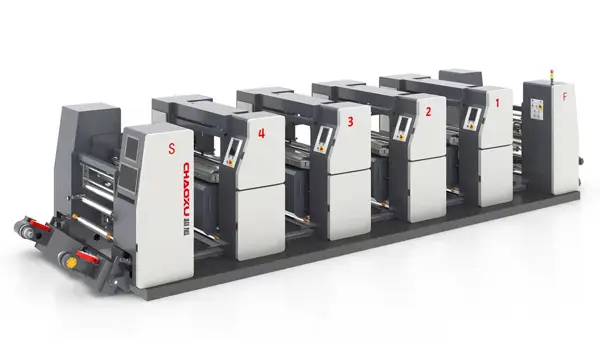
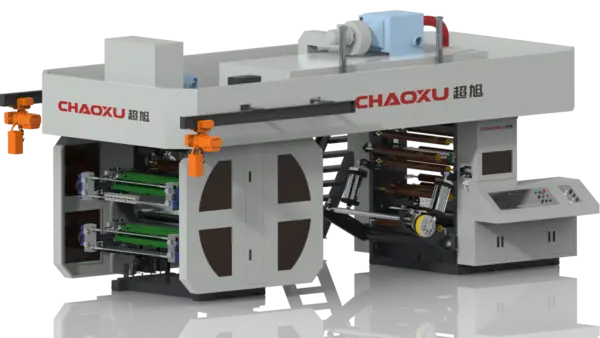
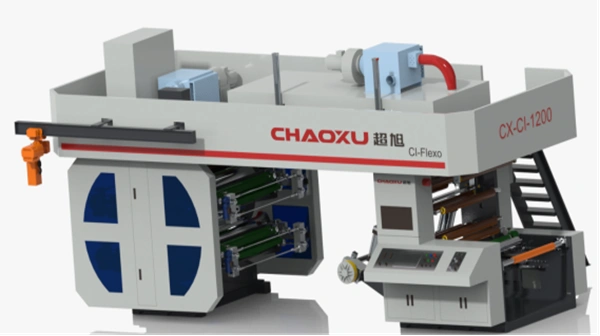
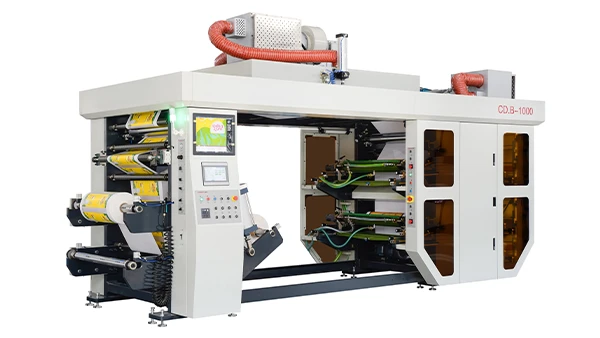
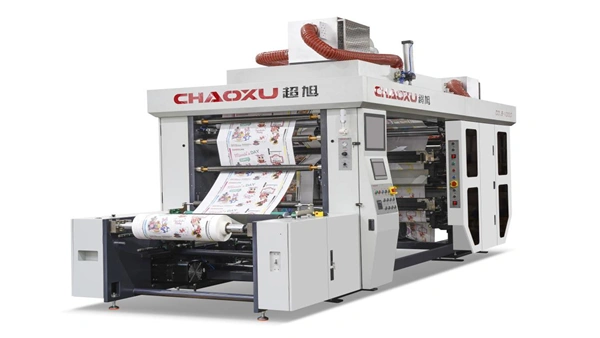
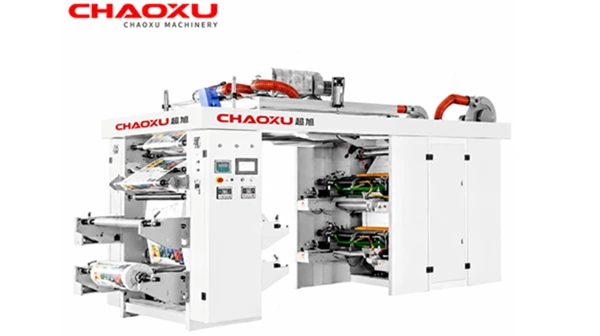
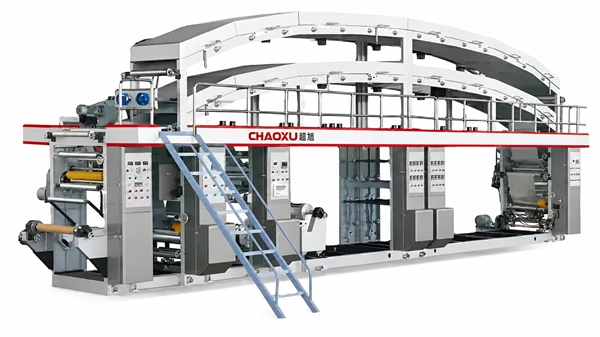
In today's competitive business landscape, finding cost-effective printing solutions that don't compromise on quality is essential. The Economical Flexographic Press offers a range of benefits that make it an ideal choice for businesses looking to optimize their printing processes. From reduced costs to eco-friendly operations, this advanced printing technology is transforming the way businesses approach packaging and labeling.
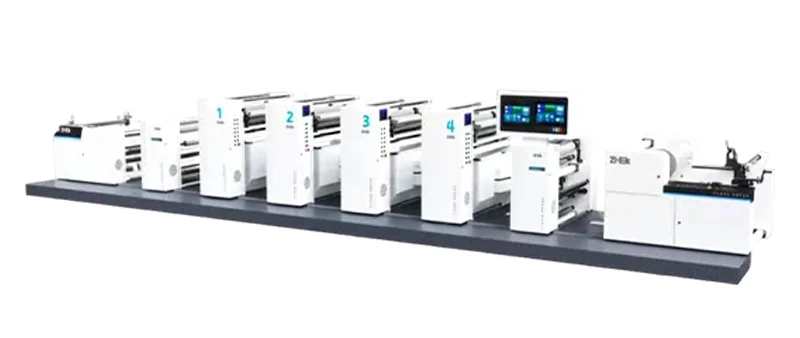
The Advantages of Economical Flexographic Press
1. Cost Savings
One of the primary benefits of the Economical Flexographic Press is its ability to significantly reduce printing costs. Compared to traditional printing methods, flexographic printing offers lower operational expenses, including reduced ink usage and energy consumption. This makes it an attractive option for businesses looking to cut costs without sacrificing quality.
2. Eco-Friendly Operations
In an era where sustainability is a top priority, the Economical Flexographic Press stands out for its eco-friendly features. The use of water-based inks and advanced drying systems reduces the environmental impact of printing operations, making it a more sustainable choice for businesses. This not only helps to meet regulatory requirements but also enhances brand reputation among environmentally conscious consumers.
3. Versatility and Flexibility
The Economical Flexographic Press is highly versatile, capable of printing on a wide range of substrates, including paper, plastic films, and corrugated boards. This flexibility allows businesses to adapt to changing market demands and produce a variety of packaging and labeling solutions. Whether you need to print on flexible packaging or rigid containers, the Economical Flexographic Press can handle it all.
4. High-Quality Results
Despite its cost-effective nature, the Economical Flexographic Press delivers high-quality printing results. The advanced technology ensures precise ink transfer and consistent color reproduction, resulting in vibrant and sharp images. This makes it an ideal choice for businesses that require professional-looking packaging and labeling to stand out in the market.
The Flexographic Printing Process
1. Plate Preparation
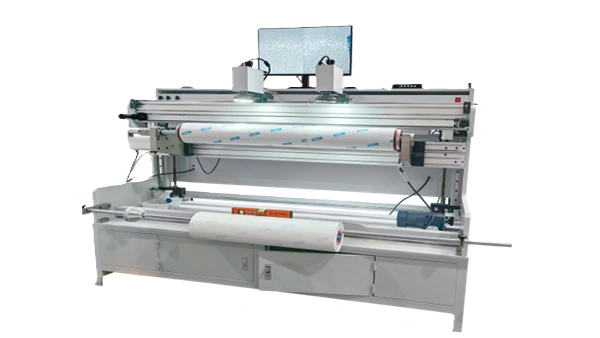
The first step in the flexographic printing process is plate preparation. A flexible printing plate is created using a photopolymer material, which is exposed to UV light to create the desired image. This plate is then mounted on a cylinder, which rotates during the printing process.
2. Ink Transfer
During the printing process, ink is transferred from the anilox roller to the printing plate. The anilox roller is a metal cylinder with a series of small cells that hold the ink. As the plate rotates, the ink is transferred to the substrate, creating the desired image.
3. Drying and Finishing
After the ink is transferred to the substrate, it is dried using a combination of hot air and UV light. This ensures that the ink dries quickly and evenly, preventing smudging and ensuring a high-quality finish. The printed substrate is then cut and finished according to the desired specifications.
Cost-Saving Benefits of Flexographic Printing
1. Reduced Ink Usage
Flexographic printing uses less ink compared to traditional printing methods, resulting in significant cost savings. The anilox roller ensures that the ink is applied evenly and efficiently, reducing waste and minimizing the amount of ink needed for each print job.
2. Lower Energy Consumption
The Economical Flexographic Press is designed to be energy-efficient, using advanced drying systems that consume less energy compared to traditional printing methods. This not only reduces operational costs but also helps to minimize the environmental impact of printing operations.
3. Faster Production Speed
Flexographic printing offers faster production speeds compared to traditional printing methods, allowing businesses to meet tight deadlines and increase productivity. The advanced technology ensures that the printing process is efficient and streamlined, reducing downtime and maximizing output.
4. Reduced Waste
The precision of flexographic printing reduces waste by minimizing the amount of substrate and ink that is discarded during the printing process. This not only saves money but also helps to reduce the environmental impact of printing operations.
Environmental Impact of Flexographic Printing
1. Reduced Carbon Emissions
The use of water-based inks and energy-efficient drying systems reduces the carbon emissions associated with flexographic printing. This makes it a more sustainable choice for businesses looking to minimize their environmental footprint.
2. Lower VOC Emissions
Flexographic printing uses water-based inks that have lower volatile organic compound (VOC) emissions compared to traditional solvent-based inks. This helps to improve air quality and reduce the health risks associated with printing operations.
3. Recyclable Substrates
The Economical Flexographic Press is capable of printing on a wide range of recyclable substrates, including paper and plastic films. This allows businesses to produce packaging and labeling solutions that are more sustainable and easier to recycle.
4. Compliance with Environmental Regulations
The eco-friendly features of the Economical Flexographic Press help businesses to comply with environmental regulations and meet sustainability goals. This not only helps to avoid fines and penalties but also enhances brand reputation among environmentally conscious consumers.
Key Components of Economical Flexographic Press
1. Printing Plate
The printing plate is a flexible photopolymer material that is used to transfer ink to the substrate. It is created using a photolithographic process, which involves exposing the plate to UV light to create the desired image.
2. Anilox Roller
The anilox roller is a metal cylinder with a series of small cells that hold the ink. It is used to transfer ink from the ink fountain to the printing plate, ensuring that the ink is applied evenly and efficiently.
3. Impression Cylinder
The impression cylinder is a metal cylinder that is used to apply pressure to the substrate during the printing process. It ensures that the ink is transferred from the printing plate to the substrate, creating the desired image.
4. Drying System
The drying system is used to dry the ink after it has been transferred to the substrate. It typically uses a combination of hot air and UV light to ensure that the ink dries quickly and evenly, preventing smudging and ensuring a high-quality finish.
Conclusion
The Economical Flexographic Press offers a range of benefits that make it an ideal choice for businesses looking to optimize their printing processes. From cost savings to eco-friendly operations, this advanced printing technology is transforming the way businesses approach packaging and labeling. With its versatility, high-quality results, and sustainable features, the Economical Flexographic Press is a valuable investment for businesses of all sizes.