English
 عربي

The right slitting blade method depends more on the substrate than on the machine. Shear slitting is the most versatile for film, foil, paper and laminates when edge quality and dust control matter. Razor slitting is a low-cost fit for thin, non-abrasive films and light foils, but blade life is shorter and heat can build at speed. Crush (score) slitting is best reserved for thicker, harder or more forgiving materials where a compressed edge is acceptable. Thickness, abrasiveness, required edge quality and changeover frequency should decide the method before machine speed or capital cost is considered.
What each slitting method actually does to the web
The three methods separate material by different mechanical principles, and that difference explains almost every downstream behavior — edge quality, dust, blade wear and material limitations.
Shear slitting uses two rotary knives that act like scissors. The bottom knife turns with the web; the top knife rotates against it, with light spring pressure holding them in contact. The material is cut by shear force rather than torn or crushed. This is why shear slitting can handle a wider range of materials than the other two methods, including films, paper, foils, laminates and nonwovens.
Razor slitting uses a stationary, very sharp blade positioned against the moving web. The blade creates a “controlled crack” ahead of its edge — the material fractures in tension as it is pulled past the blade. Because there is no backing anvil or opposing rotary knife, razor systems are mechanically simple and inexpensive to tool. The trade-off is that the cutting action depends heavily on web tension and blade sharpness; once the blade dulls, it drags and stretches the material rather than slicing it.
Crush (score) slitting uses a rotary knife pressed against a hardened anvil roll. The blade does not shear the web between two edges; it fractures the material through compressive force at the nip. This makes crush slitting mechanically robust and easy to set up, but the edge is formed by controlled crushing rather than clean cutting. Dust generation is a known limitation, particularly with fiber-based substrates.
Matching method to material: where each one fits and where it does not
The material decision is not a simple “film = razor, paper = crush” rule. Thickness, coating, abrasive content and whether the substrate is a monolayer or a laminate all shift the answer.
Razor slitting is generally appropriate for thin and light materials, while shear slitting is used for heavier gauge film or sheet. In practice, razor blades are commonly applied to soft films such as PE, EVA and PP, thin PET, and light aluminum foil, often in the range below roughly 100 microns depending on the specific film and machine setup. Above that range, or when the film is highly oriented, laminated or filled with abrasive additives, razor blades tend to wear quickly and edge quality becomes harder to hold.
Shear slitting covers the widest material window. It is used on paper, paperboard, aluminum foil, laminates, nonwovens and thicker films where a clean, low-dust edge is required. The setup demands are higher — both knives must be positioned with precision, and overlap depth must match the material — but the result is a smooth cut and lower dust than crush slitting in most paper and film applications.
Crush slitting is most at home on thicker, harder or more forgiving substrates: paperboard, corrugated stock, some rigid packaging boards and foam-like materials where a slightly compressed edge does not compromise downstream performance. It is the least common method for thin films, where the compressive action can distort the edge and generate unacceptable dust.
| Substrate group | Razor | Shear | Crush / Score |
| Thin PE, PP, EVA film (monolayer, low abrasiveness) | Good fit; low tooling cost | Workable but often unnecessary | Not recommended |
| Thin PET, BOPP, CPP film | Suitable at lower thickness; monitor heat and blade wear | Good fit when edge quality and dust control matter | Limited; edge distortion risk |
| Light aluminum foil | Common and economical | Good for tighter edge requirements | Rarely used |
| Paper, label stock, coated paper | Possible but blade life short on abrasive grades | Preferred for clean edge and dust control | Used on heavier grades where dust is manageable |
| Paperboard, corrugated, rigid board | Not suitable | Workable on some grades | Typical method; compressive edge accepted |
| Laminates, multi-layer films | Limited; delamination risk at slit edge | Preferred; handles differential stiffness | Generally not first choice |
The selection factors that override material type
Material is the starting point, but four operating factors can change the decision even within the same substrate family.
Thickness and basis weight. Razor slitting is most economical below a certain thickness ceiling; as gauge increases, the blade must displace more material and the “controlled crack” becomes less stable. Shear slitting’s advantage grows with heavier gauges because the scissoring action does not rely on tensile fracture. Crush slitting becomes practical when the material is thick or rigid enough that compressive edge formation is tolerable. For paper and paperboard, shear overlap typically needs to be deeper than for thin film — a starting reference is around 0.5–1.0 mm for thin film and foil, and roughly 1.0–1.5 mm for paper and label stock, with final values confirmed by material trials.
Edge quality requirement. If the downstream process is sensitive to edge curl, micro-cracks, dust or adhesive transfer, the method choice narrows quickly. Razor slitting can deliver a clean edge on thin films when the blade is fresh and tension is stable, but the edge quality degrades as the blade wears. Shear slitting produces a smooth, scissor-cut edge with lower dust in many paper and film applications. Crush slitting trades edge refinement for robustness and is usually not specified when a burr-free or dust-free edge is mandatory.
Abrasiveness and coating. Filled films, coated papers and abrasive laminates accelerate blade wear regardless of method. Under abrasive conditions, the method with the longest blade life between changes — often shear — reduces downtime even if the initial tooling cost is higher. Razor blades are inexpensive to replace, but frequent changes on an abrasive web can erase the cost advantage through labor and line stoppages.
Speed and heat. At higher line speeds, razor slitting generates friction and heat at the blade–web interface. On low-melting-point films, this can produce a melted bead at the slit edge and affect winding. Oscillating blade holders help spread wear and reduce localized heat, but razor slitting remains more speed-sensitive than shear on heat-sensitive substrates. Shear slitting’s rotary action distributes cutting load over the knife circumference and is generally less prone to localized heat buildup. Crush slitting’s pressure-based action is less affected by speed-related friction but can generate dust at high throughput on fiber substrates.
Common problems and what they usually point to
Most slitting defects trace back to a mismatch between the method, the setup and the material — not to a single “bad blade.”
| Symptom | Likely cause | Method-specific check |
| Ragged or fibrous edge on film | Razor blade dull or tension unstable; shear overlap too shallow | Razor: replace or oscillate blade; Shear: verify overlap and knife sharpness |
| Dust on paper or board | Crush slitting on a fiber substrate; dull crush knife; excessive pressure | Crush: reduce pressure if edge quality allows; consider shear if dust is unacceptable |
| Melted bead or edge curl on thin film | Razor heat buildup at speed | Razor: reduce speed, use oscillating holder or coated blade |
| Inconsistent slit width | Blade holder play or worn blade; tension variation across web | All methods: check holder torque, blade condition and tension profile |
| Delamination at slit edge on laminates | Razor tensile fracture separating layers | Shear: preferred for multi-layer structures; verify knife sharpness and overlap |
| Short blade life on abrasive web | Method or blade material not matched to abrasiveness | Consider shear or a more wear-resistant blade grade; confirm with material trial |
Two setup details deserve specific attention because they are frequently overlooked. In shear slitting, overlap that is too shallow causes incomplete cuts and blade skipping, while overlap that is too deep pushes the material down and degrades cut quality. In crush slitting, increasing knife pressure to compensate for a dull blade accelerates anvil wear and does not restore edge quality — pressure is not a substitute for sharpening.
A practical selection sequence
Use this sequence before specifying a blade type or comparing machine configurations.
Step 1 — Identify the substrate family and gauge. Monolayer thin film, oriented film, foil, paper, board or laminate. Record nominal thickness and any abrasive or coated content.
Step 2 — Define the edge requirement. Is a slightly raised or compressed edge acceptable? Is dust a downstream problem? Will the slit roll be printed, laminated or fed into a packaging line where edge quality affects registration or tension?
Step 3 — Estimate changeover and blade-replacement tolerance. If frequent blade changes are acceptable, razor may remain economical. If uninterrupted runtime is a priority, shear’s longer blade life between services may justify the higher setup complexity.
Step 4 — Match the method to the machine’s existing knifeholder and drive configuration. Not every slitter can accept every method. Razor, shear and crush require different holders, anvil arrangements and sometimes different web paths. Review the available knife configurations before committing to a substrate plan.
Step 5 — Confirm with a material trial. Overlap, side load, blade angle and tension settings are material-specific. A setup that works on one film grade may not transfer directly to another. Buyers should confirm specifications and trial conditions with the equipment supplier rather than relying on generic tables alone.
When to involve the machine supplier
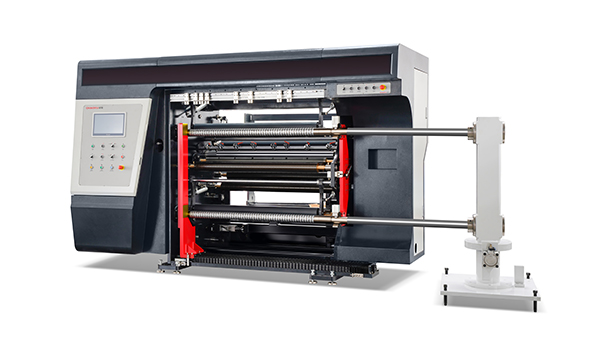
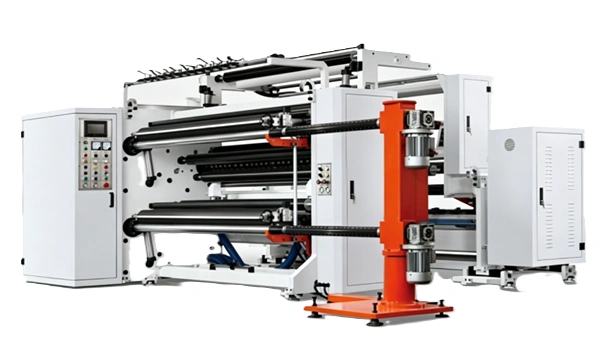
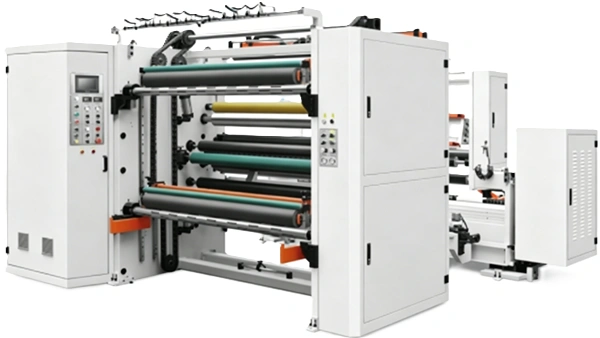
Blade selection is often treated as a consumable decision, but on a slitter it is a configuration decision. If the substrate mix is expected to change — for example, adding a laminated film to a line originally specified for paper, or moving from monolayer to coated stock — the knifeholder type, anvil condition and tension control response may all need review. Discussing the material and production requirements with the equipment supplier before the line is specified is more effective than retrofitting a different slitting method after installation. For buyers reviewing slitter configurations, the slitting machine category page provides an overview of knife arrangements and material ranges without committing to a single method.
FAQ
Can one slitter run all three blade types?
Not usually as a standard configuration. Razor, shear and crush require different knifeholders and web paths. Some machines can be converted, but the conversion is a mechanical change, not a blade swap. Confirm with the supplier whether the frame and drive are designed for the method you need.
Is razor slitting always cheaper than shear?
The blades are cheaper, but total cost depends on blade life and changeover frequency. On thin, non-abrasive films, razor can be economical. On abrasive or heavy-gauge materials, frequent blade changes and edge defects can erase the upfront savings.
Why does crush slitting generate more dust on paper?
Crush slitting fractures the web by compressive force against an anvil rather than cutting it between two edges. Fiber-based substrates release dust when compressed and fractured. Shear slitting’s scissoring action generally produces a cleaner edge and lower dust on paper and board.
Can shear slitting handle thin films below 50 microns?
Shear can be used on thin films, but setup precision becomes more critical. Razor is often the more practical first choice for very thin, non-abrasive monolayer films. The final decision should be based on edge quality trials, not thickness alone.
What is the most common cause of a wavy slit edge?
Tension imbalance across the web, blade holder play or a dull blade. In razor slitting, unequal tension on either side of the blade can cause a wavy line or a trim strip that refuses to slit cleanly. In shear and crush, verify holder torque and blade condition before adjusting other parameters.
How do I know when to change the slitting blade?
Watch for a rougher cut edge, increased static discharge, visible fringing under magnification, or a change in cutting sound. These signs usually appear before a complete cut failure. Replacing on condition rather than on a fixed calendar interval reduces unexpected downtime.
Conclusion
The most important selection criterion is not machine speed or blade price — it is whether the cutting method matches the substrate’s thickness, structure and edge requirement. Shear is the widest-capability method and the safer starting point for film, foil, paper and laminates when edge quality and dust matter. Razor is a practical, low-cost fit for thin, non-abrasive films and light foils, but its blade life and heat sensitivity must be managed. Crush is the right choice when the material is thick, rigid or forgiving enough that a compressed edge is acceptable. The most common mistake is choosing a method by default — because it is already on the machine, or because a blade is inexpensive — without testing edge quality and blade life on the actual substrate. When the material mix is likely to change, confirm the knifeholder configuration and trial conditions with the equipment supplier before the line is specified. Reviewing the available slitter configurations is a useful next step once the material and edge requirements are clear.