English
 عربي
عربي 
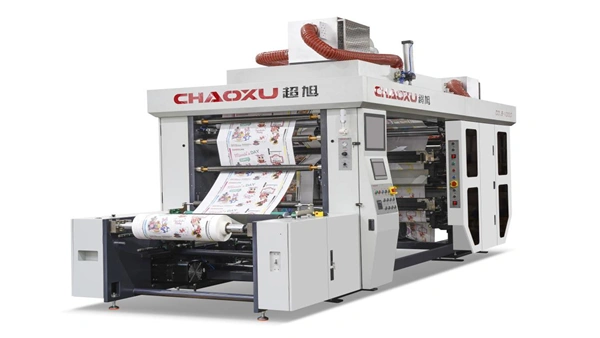
In the fast-paced world of packaging and label production, the flexo printing machine stands as a cornerstone of efficiency and versatility. From corrugated cardboard to flexible films, flexographic printing dominates the industry due to its ability to deliver high-quality prints at high speeds. However, operating this sophisticated equipment requires more than just pushing buttons—it demands a deep understanding of mechanics, materials, and process control. This comprehensive guide explores how to operate a flexo printing machine effectively, covering everything from setup to maintenance, while highlighting how industry leaders like Chaoxu are revolutionizing the training and operational experience.
Understanding the Flexo Printing Machine: An Overview
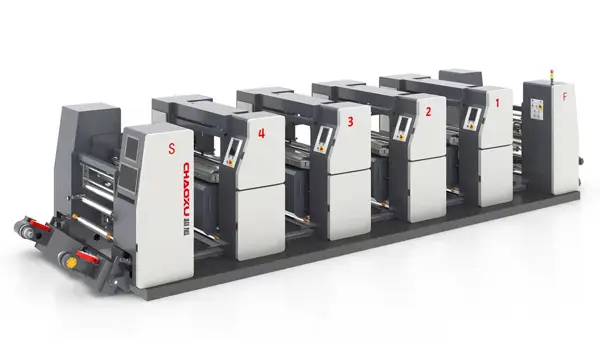
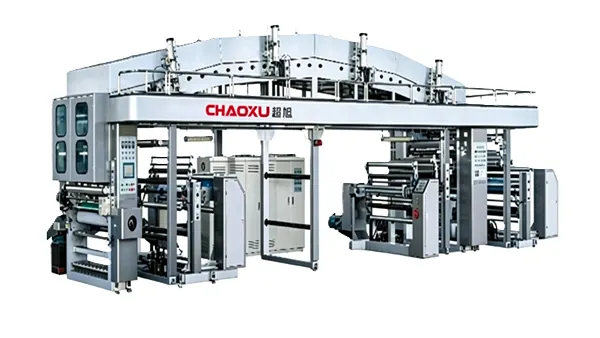
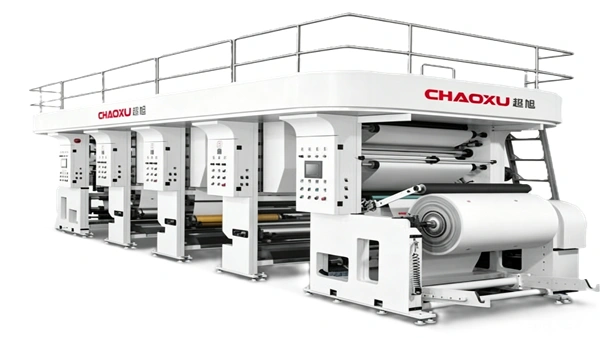
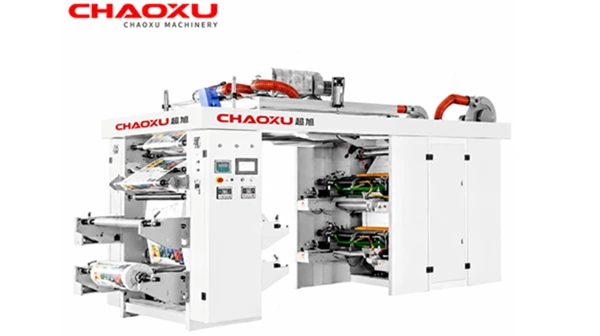
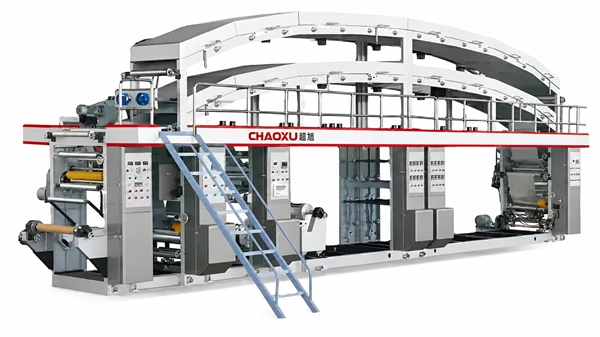
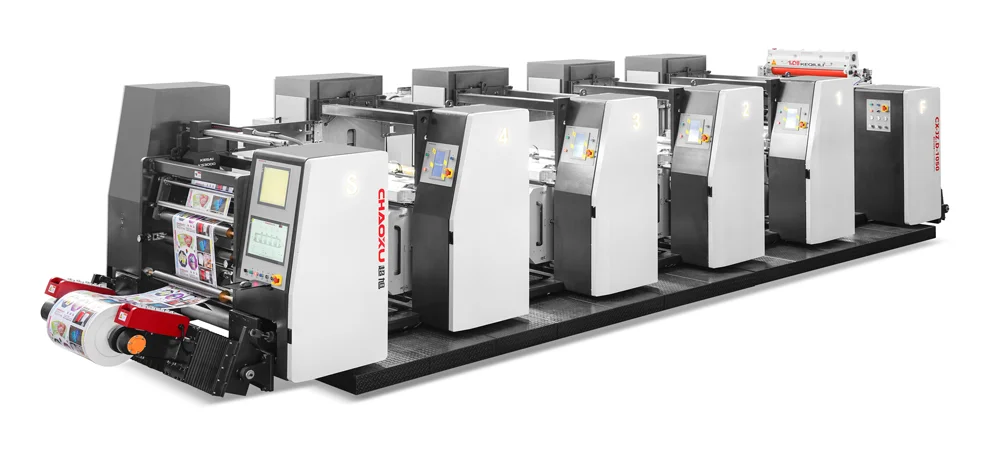
Before diving into operation, it is essential to understand what a flexographic printing press actually does. Flexography is a relief printing process that uses flexible photopolymer plates, fast-drying inks, and a series of rotating cylinders to transfer images onto various substrates. A typical flexo printing press consists of multiple stations—each responsible for a single color—allowing for high-quality, multi-color prints in a single pass.
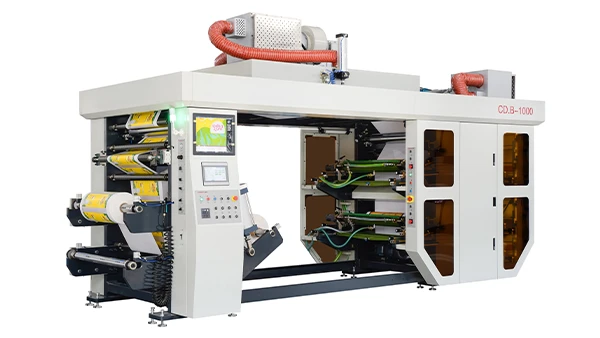
The core components of any flexographic printing equipment include:
-
Unwind and Rewind Units: Manage the web of substrate material.
-
Printing Stations: Each contains an anilox roll, plate cylinder, and impression cylinder.
-
Drying Systems: Typically hot air or UV, positioned after each station.
-
Control Panel: The central hub for managing speed, tension, and registration.
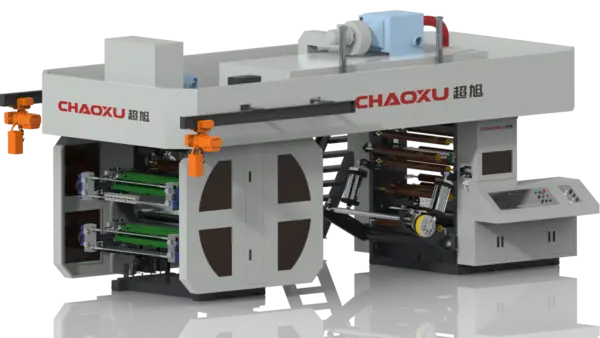
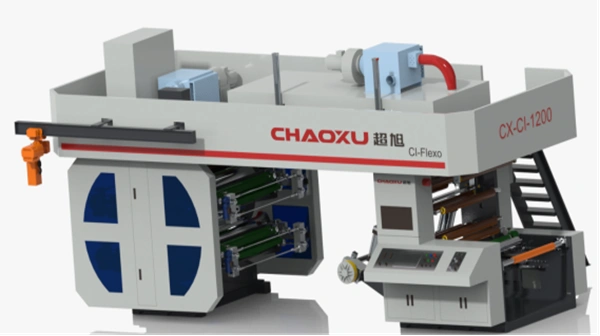
Chaoxu, a trusted name in the printing machinery sector, has engineered its flexo printing machines with operator-friendly interfaces and precision components that simplify the learning curve while maximizing output quality.
Pre-Operation Preparation: Setting the Foundation for Success
Successful operation begins long before the machine starts running. Proper preparation ensures safety, reduces waste, and prevents mechanical issues.
1. Safety First
Before touching any flexographic printing press, operators must complete a safety checklist:
-
Ensure all emergency stops are functional.
-
Wear appropriate personal protective equipment (PPE), including gloves and safety glasses.
-
Verify that the machine is in a locked-out state during maintenance or setup.
2. Job Specification Review
Every printing job requires specific parameters. Review the job ticket for:
-
Substrate type and width (e.g., film, paper, corrugated board).
-
Ink type (solvent-based, water-based, or UV-curable).
-
Number of colors and print sequence.
-
Required drying temperature and speed.
3. Material Loading
Proper loading of materials is critical for consistent tension control. On a Chaoxu flexo printing line, the unwind unit features automatic tension regulation, but operators must still:
-
Align the roll squarely to prevent web wandering.
-
Thread the substrate through the dancer rollers correctly.
-
Set initial tension values based on material specifications.
Step-by-Step Operation: How to Operate a Flexo Printing Machine
Once preparation is complete, the operator moves into the core operational phase. Mastering flexographic printing machine operation requires attention to detail across several key areas.
Step 1: Plate Mounting and Registration
The photopolymer plates carry the image to be printed. Proper mounting is essential:
-
Use double-sided tape to mount plates onto the plate cylinder.
-
Ensure plates are aligned to the cylinder’s reference marks.
-
For multi-color jobs, use a pre-registration system to minimize setup time.
Chaoxu machines are equipped with servo-driven plate cylinders that allow fine adjustments during operation, enabling operators to achieve micron-level registration without stopping production.
Step 2: Anilox Roll Selection and Ink Delivery
The anilox roll controls ink volume. Selecting the correct anilox is a critical aspect of flexo press setup:
-
High line screens (e.g., 800–1200 lpi) for fine details and process work.
-
Lower line screens for solid coverage and opaque whites.
Once selected, the anilox roll is installed, and the ink chamber is engaged. On advanced flexographic printing machinery like Chaoxu models, the ink system is enclosed, reducing solvent evaporation and ensuring consistent viscosity.
Step 3: Pressure Setting (Nip Adjustments)
Proper pressure between the impression cylinder, plate cylinder, and anilox roll is vital. Too much pressure distorts the print; too little causes incomplete ink transfer. Operators must:
-
Set the impression pressure to achieve a clean “kiss” impression.
-
Adjust the anilox-to-plate pressure to control dot gain.
-
Use pressure gauges or digital sensors for repeatability.
Step 4: Web Tension Control
Tension management is arguably the most challenging part of how to run a flexo printing machine. Inconsistent tension leads to misregistration, stretching, and web breaks. Modern machines like those from Chaoxu utilize closed-loop tension control systems that automatically adjust based on real-time feedback from load cells.
Operators should:
-
Monitor tension readings on the control panel.
-
Adjust taper tension settings for larger rolls.
-
Ensure all idler rollers are clean and rotating freely.
Step 5: Drying and Curing Optimization
Drying systems must match the ink chemistry and substrate. For water-based inks on porous materials, hot air drying is standard. For UV inks on non-porous films, UV lamps are required. Key operational points:
-
Set dryer temperatures according to the substrate’s heat tolerance.
-
Monitor UV lamp intensity to ensure full cure without substrate damage.
-
Use inter-station drying to prevent wet trapping issues.
Step 6: Print Inspection and Quality Control
Throughout the run, operators must continuously inspect print quality. This includes:
-
Register check: Verify that all colors align using a magnifier or camera system.
-
Color density: Use a densitometer to ensure consistency.
-
Dot gain analysis: Monitor for excessive spreading.
-
Hickey and defect removal: Stop and clean plates as needed.
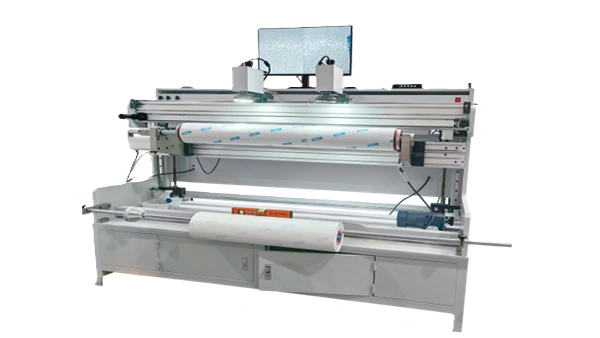
Chaoxu integrates advanced vision inspection systems into its flexo printing press models, automatically alerting operators to defects and reducing manual inspection burdens.
Advanced Operational Techniques: Maximizing Efficiency
Beyond basic operation, skilled operators leverage advanced techniques to optimize production.
Quick Changeover and Setup Reduction
In today’s short-run environment, minimizing downtime is essential. Flexo printing machine setup time can be reduced through:
-
Sleeve technology: Lightweight sleeves for rapid plate and anilox changes.
-
Preset functions: Storing job parameters in the machine’s memory for instant recall.
-
Automated wash-up systems: Cleaning ink chambers and anilox rolls without disassembly.
Chaoxu machines feature a “job memory” system that stores all settings—pressures, tensions, register positions—allowing operators to change jobs in under 10 minutes.
Maintaining Color Consistency
Color variation across shifts is a common challenge. To maintain consistency:
-
Implement closed-loop color control systems that measure and adjust ink viscosity automatically.
-
Use spectrophotometers to verify color against standards.
-
Maintain consistent anilox roll cleanliness.
Handling Challenging Substrates
Different materials require different approaches. For example:
-
Thin films: Require precise tension control and low-pressure settings to avoid stretching.
-
Corrugated board: Needs robust impression cylinders and higher drying temperatures.
-
Metallized papers: Demand careful static control to prevent arcing.
Common Operational Challenges and Troubleshooting
Even with proper training, operators encounter issues. Understanding flexo printing machine troubleshooting is a hallmark of expertise.
| Problem | Likely Cause | Solution |
|---|---|---|
| Misregistration | Tension fluctuation or cylinder slippage | Check tension sensors; re-engage servo locks |
| Ghosting | Uneven plate mounting or anilox wear | Remount plates; replace anilox roll |
| Ink Splashing | Chamber seal wear or excessive pressure | Replace seals; reduce chamber pressure |
| Web Breaks | Excessive tension or damaged edge | Reduce tension; trim roll edge |
| Poor Drying | Insufficient heat or airflow | Increase temperature; clean dryer filters |
Chaoxu provides comprehensive troubleshooting guides and remote support, ensuring operators can resolve issues quickly without prolonged downtime.
Maintenance: The Key to Longevity
Proper maintenance is inseparable from successful operation. A well-maintained flexo printing equipment ensures consistent quality and extends asset life.
Daily Maintenance
-
Clean anilox rolls, plates, and impression cylinders.
-
Inspect doctor blades for wear.
-
Check all safety interlocks.
Weekly Maintenance
-
Lubricate bearings and moving parts.
-
Inspect tension load cells for calibration.
-
Verify dryer airflow and temperature accuracy.
Monthly Maintenance
-
Perform alignment checks on all cylinders.
-
Inspect and clean electrical panels.
-
Calibrate registration sensors.
Chaoxu machines are designed with maintenance in mind, featuring easily accessible components and self-diagnostic systems that alert operators to pending service needs.
Operator Training and Skill Development
Operating a flexographic printing press effectively requires continuous learning. Chaoxu emphasizes comprehensive operator training programs that cover:
-
Basic theory: Understanding ink dynamics, plate technology, and substrate interactions.
-
Hands-on practice: Supervised operation with real production jobs.
-
Advanced skills: Color management, process control, and predictive maintenance.
Companies that invest in operator training see measurable improvements in efficiency, waste reduction, and print quality consistency.
The Future of Flexo Printing Operation
As the printing industry evolves, so too does the role of the operator. Modern flexo printing machines are increasingly integrated with:
-
Industry 4.0 connectivity: Real-time data collection and remote monitoring.
-
Artificial intelligence: Predictive maintenance alerts and automated quality control.
-
Hybrid technologies: Combining flexo with digital printing for enhanced customization.
Chaoxu is at the forefront of this evolution, offering flexographic printing solutions that combine traditional reliability with cutting-edge automation, empowering operators to achieve more with less effort.
Conclusion: Mastering Flexo Operation with Chaoxu
Understanding how to operate a flexo printing machine is a journey that combines technical knowledge, hands-on skill, and continuous improvement. From initial setup to advanced troubleshooting, every step influences the final print quality and production efficiency. By mastering the principles outlined in this guide—tension control, registration accuracy, ink management, and preventative maintenance—operators can unlock the full potential of their equipment.
For businesses seeking to elevate their flexographic printing capabilities, Chaoxu delivers not only world-class flexo printing machinery but also the training and support necessary to ensure operators succeed. Whether you are running short-run labels or high-volume flexible packaging, the right equipment combined with skilled operation produces results that stand out in a competitive market.