English
 عربي
عربي 
In today's competitive packaging landscape, brands need more than just functional containers—they need vibrant, durable, and cost-effective printing solutions that can keep up with production demands. Flexographic printing has emerged as the go-to technology for packaging manufacturers worldwide, offering unparalleled versatility across materials from plastic films to paper products. This guide explores how this innovative printing method works, its key benefits, and what to consider when implementing it in your production line.
Understanding Flexographic Printing Basics
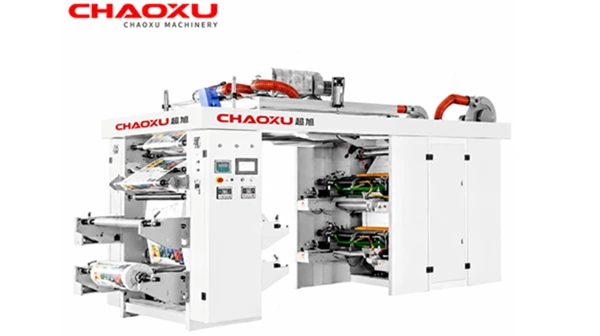
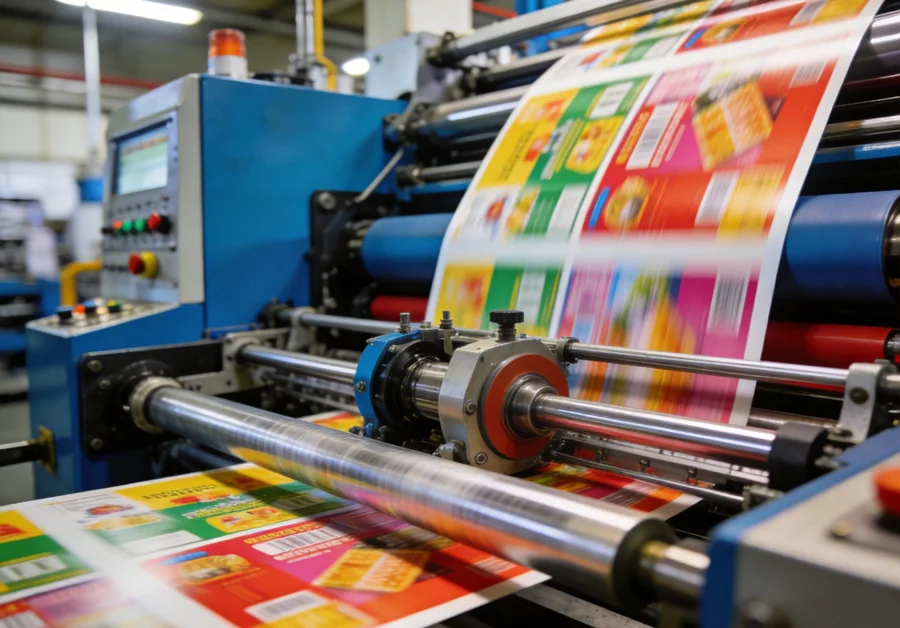
Flexographic printing, commonly referred to as flexo printing, is a rotary printing process that uses flexible photopolymer plates to transfer ink onto various substrates. Unlike traditional offset printing, flexo printing excels at handling non-porous materials and can accommodate a wide range of ink types, including water-based, solvent-based, and UV-curable inks.
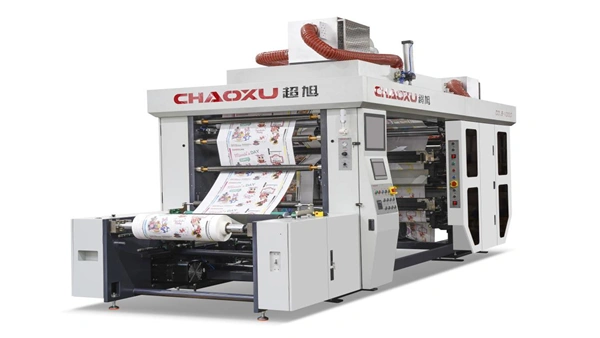
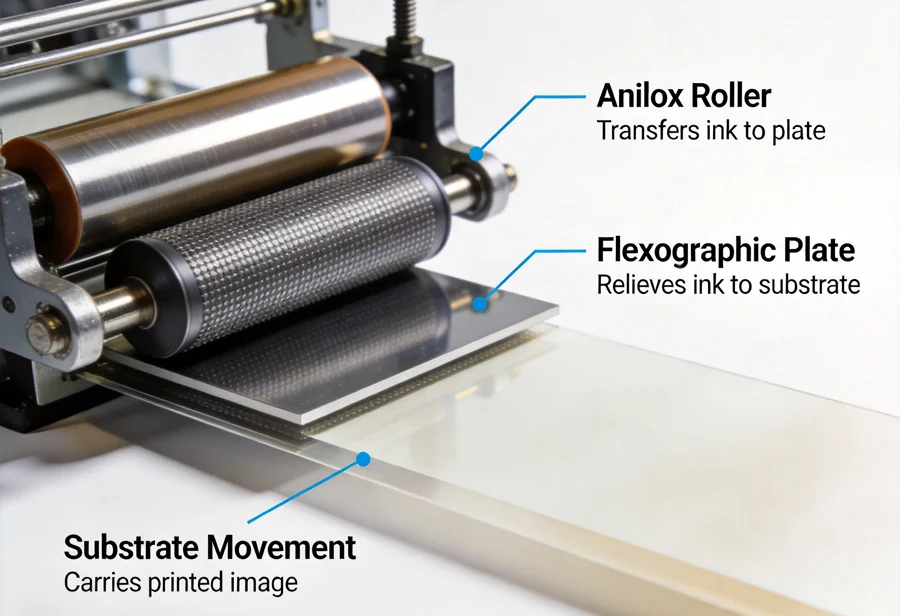
The process begins with the creation of flexible printing plates that contain raised images. These plates are mounted on cylinders that rotate at high speeds, transferring ink from an anilox roller (which meters the ink) to the substrate. Modern flexographic presses have evolved significantly, with many now featuring full servo drive systems and intelligent closed-loop tension control to maintain consistent print quality even at speeds exceeding 200 meters per minute.
Key Technical Components and Their Functions
The Anilox Roller System
The heart of any flexographic printing system is the anilox roller, which precisely meters ink onto the printing plates. These rollers feature microscopic cells that hold a specific volume of ink, ensuring consistent ink transfer across the entire print width. Advanced flexographic printing machines now incorporate laser-engraved ceramic anilox rollers that provide superior durability and consistent ink release.
Plate Cylinders and Registration Systems
Modern flexographic presses utilize precision-engineered plate cylinders that maintain tight registration throughout production runs. Many industrial-grade machines feature CCD real-time tracking systems that automatically compensate for material expansion and contraction, achieving overlay accuracies within ±0.1mm. This level of precision is essential for multi-color printing where even minor registration errors can compromise print quality.
Drying and Curing Systems
Flexographic printing's versatility comes from its ability to work with different ink types, each requiring specific drying or curing methods. Quality industrial presses typically offer multi-mode drying configurations including hot air, infrared, and UV curing systems. This flexibility allows manufacturers to switch between water-based inks for food packaging and UV-curable inks for high-gloss applications without changing equipment.
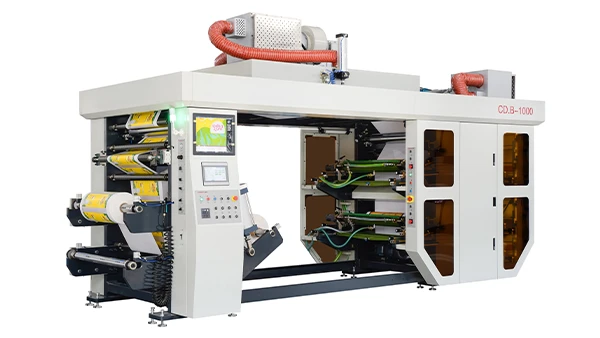
When evaluating printing solutions, many packaging manufacturers look for machines with efficient multi-mode drying systems that can handle both water-based and UV inks while meeting environmental requirements. These systems ensure fast curing times and consistent print quality across different material types.
Material Compatibility and Application Scenarios
One of flexographic printing's greatest strengths is its ability to print on an exceptionally wide range of substrates. From thin plastic films to thick corrugated boards, modern flexographic presses can handle materials including:
- Plastic Films: BOPP, OPP, PE, PET, and PVC for flexible packaging
- Paper Products: Kraft paper, corrugated paper, food wrapper paper, and specialty papers
- Non-Woven Materials: Shopping bags, tote bags, and medical packaging
- Woven Fabrics: Bags and specialty industrial applications
Common Industry Applications
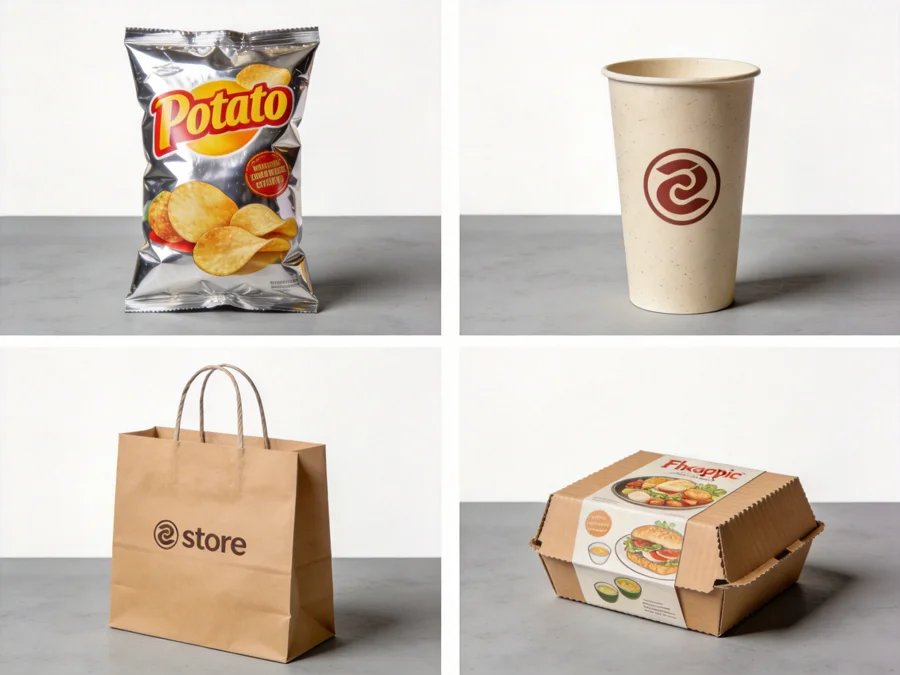
The packaging industry relies heavily on flexographic printing for numerous applications:
-
Food Packaging: Potato chip bags, snack wrappers, and frozen food packaging require vibrant, food-safe printing that flexo technology delivers reliably.
-
Disposable Food Service: Paper cups, bowls, and takeout containers benefit from flexo printing's ability to handle curved surfaces and provide durable, water-resistant prints.
-
Retail Packaging: Shopping bags, gift wrap, and product boxes utilize flexo printing for cost-effective, high-volume production with excellent color consistency.
-
Industrial Packaging: Woven bags, shipping sacks, and bulk containers require the durability and material compatibility that flexographic systems provide.
Technical Advantages in Modern Production
Precision and Speed Optimization
Contemporary flexographic printing systems have achieved remarkable advancements in both speed and accuracy. Many premium industrial presses now operate at speeds up to 200 meters per minute while maintaining registration accuracies within ±0.1mm. This combination of speed and precision is made possible through fully servo-driven systems that eliminate mechanical linkages and provide independent control of each printing unit.
Intelligent Production Management
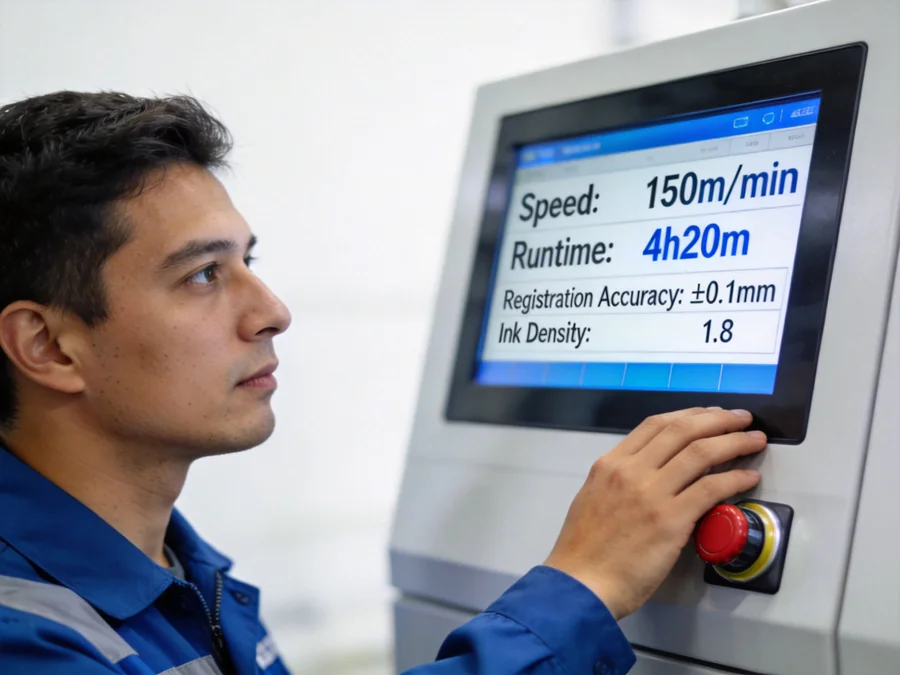
Modern flexographic presses incorporate sophisticated control systems that streamline production workflows. These systems typically feature PLC integration with touch screen interfaces that allow operators to call preset parameters, monitor production in real-time, and track meter counts automatically. This level of automation reduces setup times, minimizes human error, and improves overall production efficiency.
Environmental and Operational Efficiency
Flexographic printing has evolved to address environmental concerns while maintaining operational efficiency. Many systems now feature:
- Reduced ink consumption through precise anilox roller technology
- Energy-efficient drying systems that minimize power consumption
- Compatibility with eco-friendly inks including water-based and UV-curable options
- Waste reduction through improved registration and color consistency
Choosing the Right Flexographic Solution
Understanding Your Production Requirements
When selecting a flexographic printing system, consider these key factors:
- Material Compatibility: Ensure the press can handle your specific substrate types and thicknesses
- Print Width and Color Stations: Match the machine's capabilities to your product size and color requirements
- Production Speed Requirements: Consider both current needs and future growth projections
- Integration Capabilities: Evaluate whether you need inline processes like die-cutting, varnishing, or dust removal
Technical Specifications Comparison
Different production scenarios call for different machine configurations:
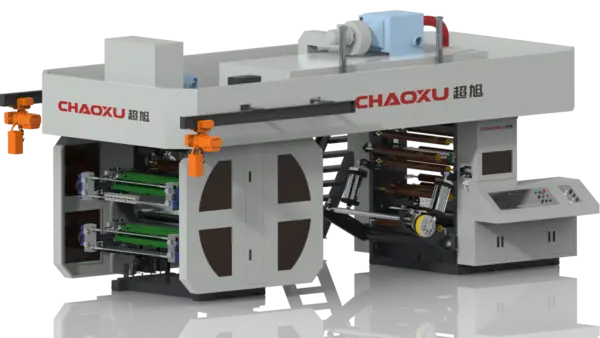
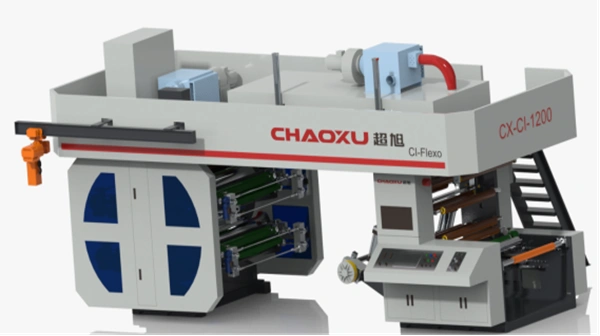
- Stack Type Presses: Ideal for economical applications with moderate speed requirements (up to 100 m/min)
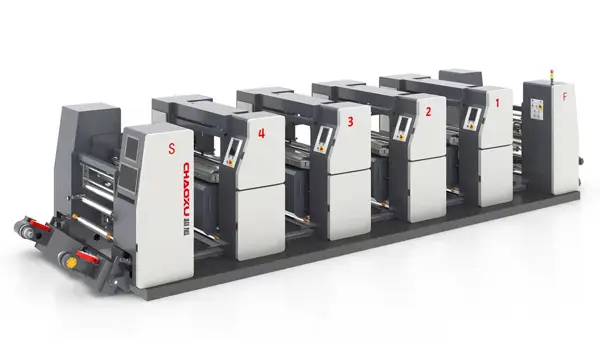
- Unit Type Single Servo: Offers good balance of cost-effectiveness and performance (up to 150 m/min)
- Unit Type Full Servo: Provides maximum flexibility, precision, and speed (up to 200 m/min)
For operations requiring high precision overprint systems with CCD real-time tracking, full servo configurations typically deliver the best results, especially when working with stretchable films or materials prone to dimensional changes.
Conclusion: Implementing Flexographic Technology
Flexographic printing technology has transformed packaging production by offering unparalleled versatility, speed, and quality across a broad range of materials. From food-safe packaging to retail shopping bags, this technology enables manufacturers to meet diverse market demands while maintaining cost efficiency and production scalability.
The key to successful implementation lies in understanding your specific production requirements and selecting equipment that matches both current needs and future growth. Modern flexographic printing systems have evolved to incorporate intelligent automation, precision control systems, and environmental considerations that make them suitable for today's demanding production environments.
As you evaluate flexographic solutions for your packaging operations, consider how machines with independent full servo drive systems can provide the flexibility and precision needed for high-quality printing across various substrates. These advanced systems offer the technical foundation for consistent, efficient production that can adapt to changing market demands and material requirements.
Whether you're printing on plastic films for snack packaging or producing custom paper cups for food service, the right flexographic technology can elevate your brand presence while optimizing production efficiency.