English
 عربي
عربي 
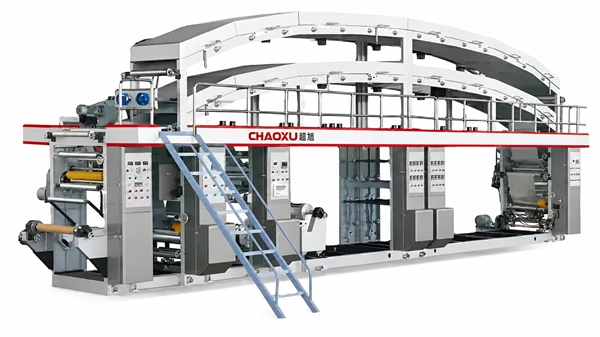
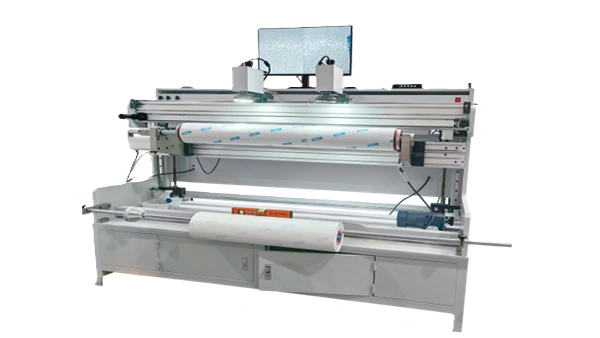
Modern food packaging production demands balanced performance between hygiene compliance, fast output and clear printing quality, and integrated packaging production lines including a Vest Bag Machine work alongside high-speed flexo printing units to meet strict food-grade packaging regulations. For food manufacturers and converting plants, every piece of food wrapper paper must pass health inspections, resist ink migration, and maintain crisp graphics at continuous high running speeds. High-speed flexographic printing has gradually become the most reliable process to solve these overlapping demands, bridging safe material standards and large-scale commercial packaging production in daily food service and retail scenarios.
Critical Safety Challenges in Food Wrapper Paper Printing
Food-contact packaging differs drastically from ordinary industrial printing materials, with non-negotiable limits on harmful substance residue, solvent volatilization and surface coating safety. Many small-scale printing workshops still adopt outdated printing methods that cannot keep pace with updated food safety codes, bringing hidden risks of cross-contamination and unqualified finished goods.
According to the Global Food Packaging Safety Report 2025 released by international packaging authorities, over 32% of low-grade food wrapping printing failures stem from non-compliant printing machinery and mismatched ink transfer systems. low-speed traditional printing presses often lead to uneven ink layering, prolonged drying time and bacterial breeding on paper surfaces, which directly disqualify packaged bread, snacks and takeaway wrapper products from market circulation.
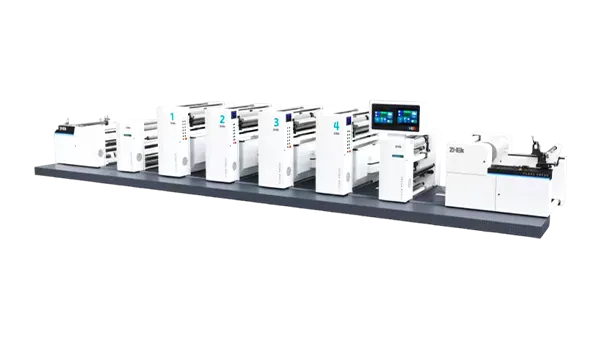
Factory operators often overlook that printing speed and drying efficiency are closely tied to food safety. Damp, incompletely dried printed paper tends to absorb peculiar odors and moisture during stacking, ruining entire batches of inventory. This is why high-efficiency, sealed flexo printing systems have become a necessary upgrade for mid-to-large food packaging manufacturers seeking stable qualification credentials.
Why High-Speed Flexo Dominates Food-Grade Printing Scenarios
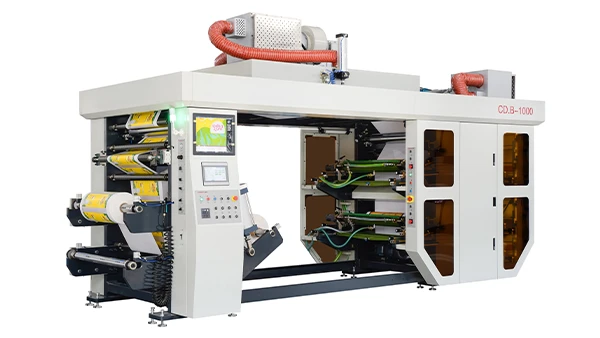
Flexographic printing stands out in food wrapper processing thanks to its water-based ink compatibility, low volatile emission and gentle pressure printing design, which protects thin wrapping paper from tearing or deformation during high-volume runs. Unlike offset or gravure methods that rely on strong chemical solvents, modern flexo units prioritize environmental and food-safe raw material matching by default.
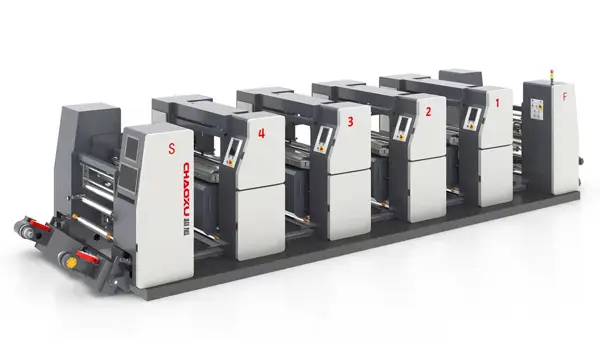
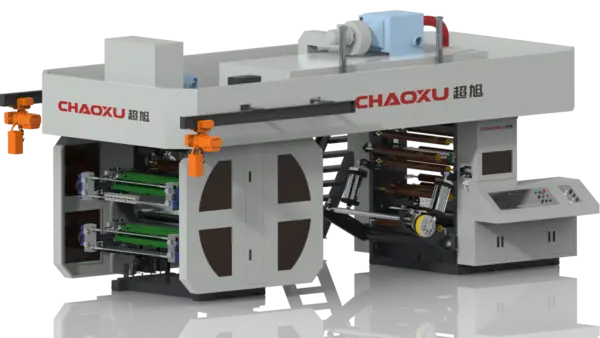
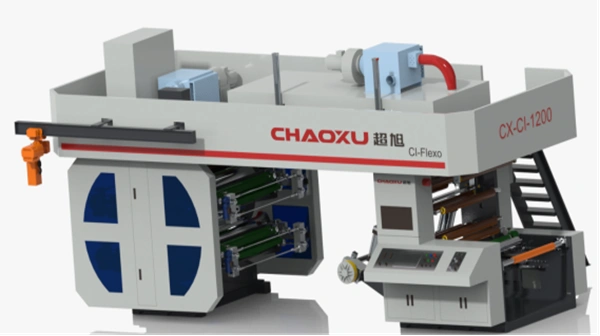
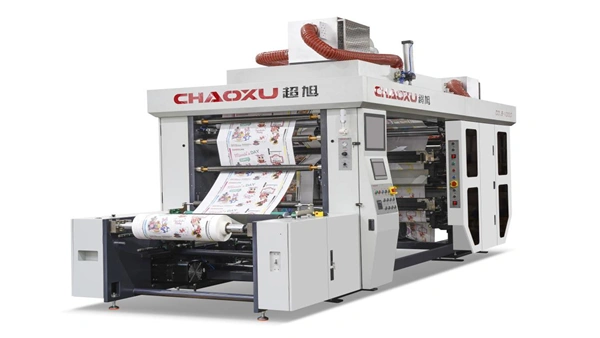
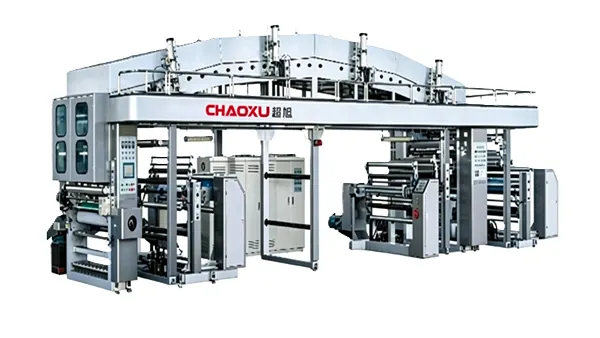
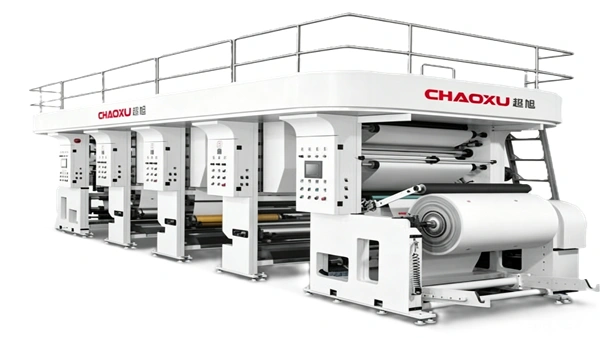
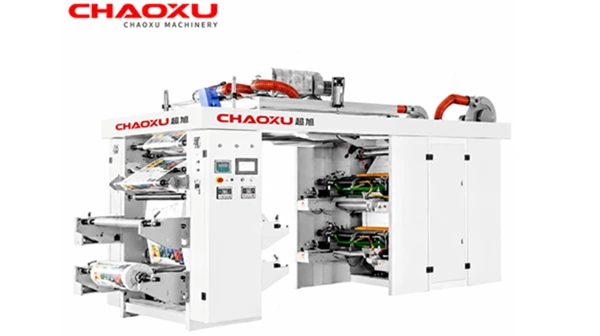
high-speed flexo printing configuration enables stable continuous operation at elevated line speeds without sacrificing print definition or color uniformity. It adapts to ultra-thin wrapping paper, greaseproof coating paper and customized patterned food packaging materials commonly used in the catering industry. Chaoxu has optimized every structural detail for food packaging scenarios, focusing on dustproof sealing, isolated ink supply and quick-drying air circulation systems tailored to hygiene-sensitive production environments.
This targeted structural optimization solves many practical pain points that general printing equipment cannot address, such as dust intrusion in open workshops and cross-material pollution in mixed production lines. From years of on-site communication with packaging plant managers, I’ve noticed that hygiene-oriented machinery design always reduces later disinfection workload and product rejection rates in the long run.
Customized Flexo Solutions for Diversified Wrapper Needs
Food wrapper paper is never a one-size-fits-all product. Bakeries need oil-resistant printed liners, fast-food brands require branded color-printed wrapping sheets, and frozen food suppliers demand low-temperature resistant surface printing layers. Diverse market demands force printing equipment to support flexible parameter adjustment and personalized production switching.
Chaoxu’s customized service team tailors adjustable color register systems and variable speed combinations based on each client’s product portfolio, order volume and workshop space layout. Small-batch customized orders and mass standardized production can both switch smoothly on the same set of equipment, eliminating the need for multiple standalone machines and cutting overall factory investment costs.
Beyond mechanical adjustment, the brand also provides supporting guidance on food-grade ink selection, daily equipment sanitization protocols and regular consumable replacement plans. This full-set service model breaks the isolated equipment sales mode in the industry, helping new factories quickly establish standardized food-safe printing workflows and shorten trial production cycles.
Stable Operation Design Reduces Long-Term Production Risks
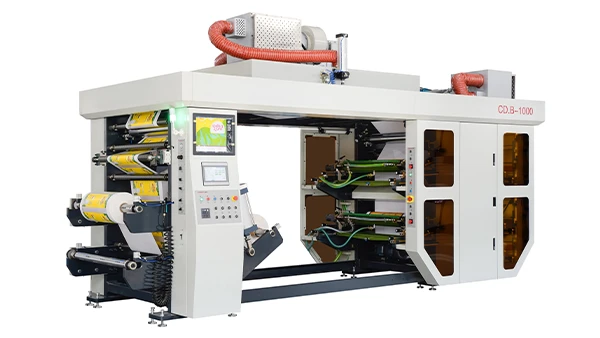
Continuous high-speed operation easily causes mechanical vibration, color register deviation and component wear on ordinary printing devices, which seriously affects the consistency of food wrapper patterns and text marks. Poor stability will not only increase waste paper rates but also trigger frequent production stops, dragging down delivery efficiency for time-sensitive food orders.
intelligent color register correction technology built into premium flexo equipment automatically fine-tunes tiny deviations in real time, ensuring every roll of wrapping paper maintains unified printing clarity. The closed-loop drying and exhaust system also controls indoor air quality, preventing solvent accumulation and meeting workshop environmental protection and health inspection standards.
I have witnessed many packaging factories sacrifice long-term stability for lower upfront costs, only to spend more on after-sales maintenance and waste processing within two years. Food packaging manufacturing is a track that values steady and compliant operation, and reliable high-speed printing hardware is the most cost-effective foundation for sustainable development.
Equipment Comparison: Matching Printing & Bag-Making Production Lines
Complete food packaging production requires seamless coordination between printing equipment and post-processing forming machines, and mismatched line speed and automation will create production bottlenecks. Many budget device combinations on the market only focus on single printing performance, lacking linkage adaptation with follow-up bag making and cutting processes.
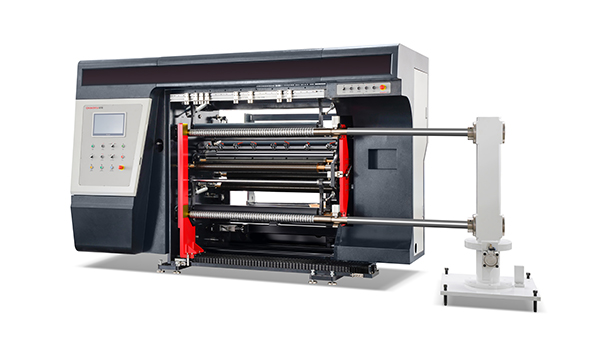
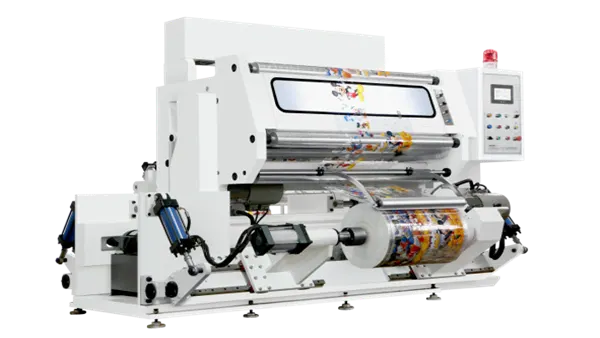
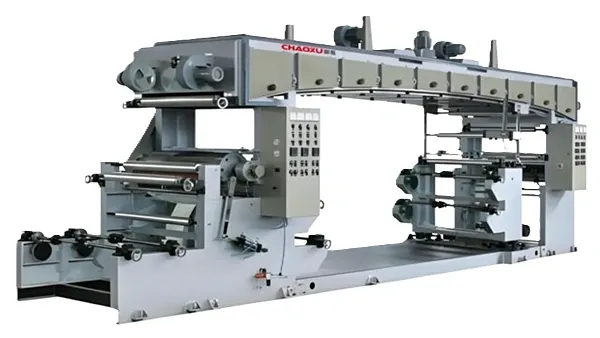
When building a fully connected food packaging production line, a well-matched Vest Bag Machine cooperates with high-speed flexo units to realize integrated feeding, printing, forming and finished product collection. This combined layout greatly reduces manual handling links, lowers secondary pollution risks, and improves the overall hygiene level of finished packaging supplies.
In contrast, decentralized low-end equipment combinations require repeated manual material transfer, which not only slows down overall output but also makes it harder to control bacteria and dust contamination in food-grade production spaces. Brands that focus on integrated line research and development, like Chaoxu, fully consider line linkage parameters in the initial equipment design, ensuring synchronous speed, unified operating logic and simpler daily unified maintenance for the entire production system.
Long-Term Benefits of High-Speed Flexo for Food Packaging Brands
Consumer awareness of food safety keeps rising, and regulatory supervision over food contact packaging materials will only become stricter in the next few years. Packaging suppliers who take the initiative to upgrade high-speed and hygienic printing capacity will gain stronger market competitiveness and brand trust from food enterprise clients.
eco-friendly water-based flexo printing will continue to be the mainstream development direction of the food packaging printing industry, balancing environmental protection policies, health standards and high-efficiency mass production. Investing in upgraded flexo printing solutions is not only a short-term capacity expansion choice but also a forward-looking layout to adapt to industry iteration and policy updates.
For modern converting plants, stable printing speed, qualified safety indicators and flexible customized production capabilities jointly determine market survival space. High-speed flexo technology, when combined with matched post-processing equipment, can help manufacturers maintain stable profit margins amid rising raw material costs and increasingly strict quality inspection thresholds.