English
 عربي
عربي 
Every packaging converter knows the tension: a boutique distillery needs 800 presentation boxes, a skincare startup launches with three variants and 500 units each, and a specialty bakery wants seasonal sleeves for 1,200 cookie boxes. These aren’t the million-unit runs that keep traditional presses humming at their sweet spot. They’re short runs — and they’re multiplying.
According to Smithers’ “The Future of Package Printing to 2027” report, print volumes under 5,000 linear meters are growing at nearly 6% annually, driven by premiumization, SKU proliferation, and direct-to-consumer sampling. The challenge isn’t just the quantity — it’s the economics. When a converter spends 45 minutes on makeready and burns 150 meters of substrate for a 20-minute print job, the math collapses. That pain point is exactly where well-specified flexo technology is rewriting the rules for custom paper boxes.
The Real Bottleneck in Short-Run Carton Work
We tend to blame the press, but field experience shows the bottleneck sits upstream. For a typical medium-web carton job, setup waste alone can devour 8–12% of the substrate on runs under 2,000 meters, based on data gathered from FTA (Flexographic Technical Association) benchmarking studies. Plate mounting, impression setting, and register tweaking eat time that short-run margins can’t absorb.
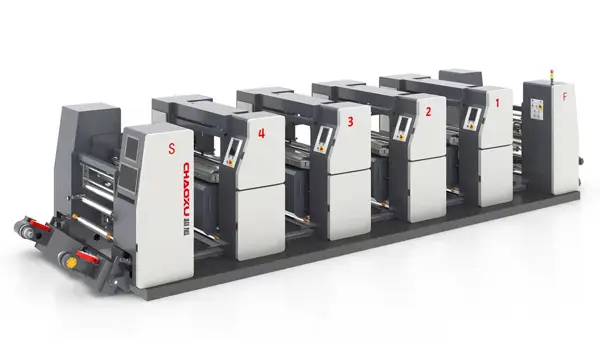
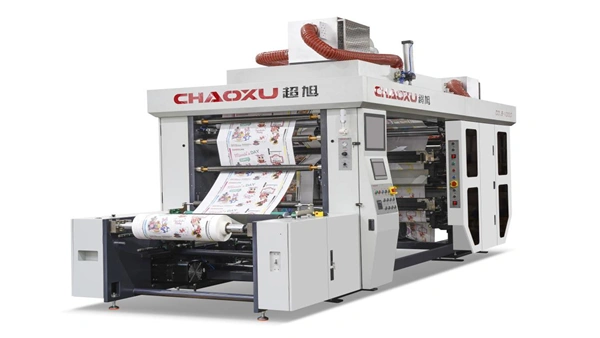
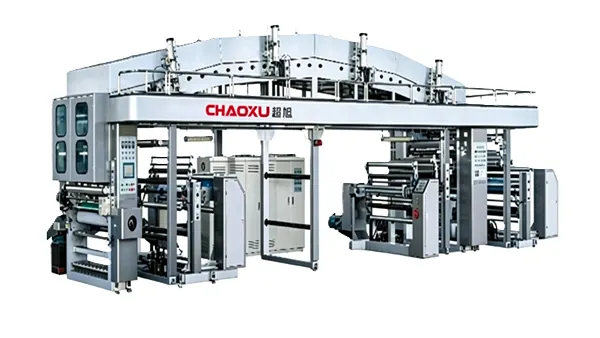
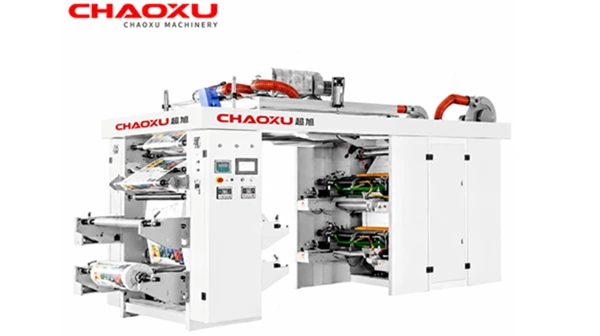
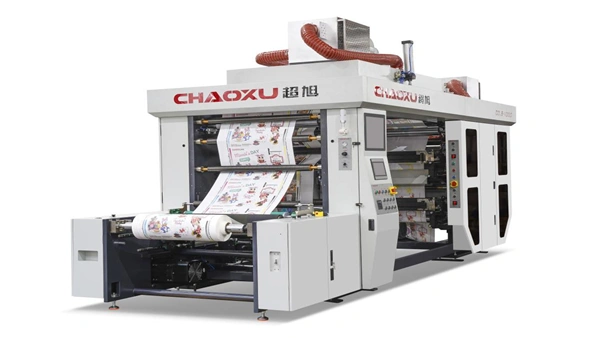
A packaging manager at a mid-sized folding carton plant once shared his “500-box nightmare”: five design changes, each requiring a full wash-up and plate remount, turning what should have been a single-shift job into an 18-hour ordeal. The root cause wasn’t the operator’s skill — it was a press architecture designed for marathon runs. Without servo-driven re-registration and cantilevered quick-change mechanisms, the machine itself forces long makereadies. This is where a configured flexographic printing machine can make a decisive difference, provided it’s engineered with short-run agility in mind. Understanding the specific configuration that targets fast job turnover is the first step toward solving the pain. For packaging teams evaluating such systems, looking at how modular quick-change flexo presses minimize downtime can immediately clarify whether an upgrade is financially viable.
How Modern Flexo Redefines the Short-Run Equation
Three technical shifts have reshaped what flexo can do for low-volume paper boxes. They’re worth understanding whether you operate a press or specify one.
1. Sleeve-based plate and anilox changes
Conventional plate cylinders require time-consuming dismounting. Air-mandrel sleeve systems let an operator swap a full set of plates and anilox sleeves in under 8 minutes per deck, with no tools. On a 6-color CI (central impression) press, that brings a complete job changeover under 30 minutes — competitive with digital’s uptime claims when you factor in print speed differences. The pre-mounted adhesive plates stay on lightweight sleeves stored in racks, so registration integrity holds across repeated short-run cycles.
2. Auto-register and pre-setting intelligence
Modern presses incorporate camera-based auto-register that brings longitudinal and lateral registration within tolerance in fewer than 10 impressions at start-up. Combined with job memory that recalls impression settings, dryer temperatures, and tension profiles from a previous run, the machine essentially “knows” the job before the first sheet passes. Operators report start-up waste dropping by 40–60% compared to manual register procedures, a figure consistent with tests conducted under ISO 12647-6 print quality targets.
3. Quick-change chambered doctor blade systems
Wash-ups between short color runs often consume more solvent and time than the print cycle itself. Cartridge-style chambered doctor blade units, which slide out from the side without disconnecting ink lines, bring full-color wash-up and refill to about 10 minutes. Some designs even allow offline washing in a dedicated station while the press keeps running the next job. That parallel workflow alone can lift a press’s productive hours by one shift per week in a heavily sequenced short-run environment.
The table below summarizes the impact for a hypothetical 1,500-box job, comparing a legacy flexo setup with a modern quick-change configuration:
| Factor | Legacy Flexo Setup | Modern Quick-Change Flexo Setup |
| Full job changeover (6 colors) | 55–70 min | 22–30 min |
| Start-up substrate waste | 120–160 m | 50–70 m |
| Plate remounting time | 18–24 min per deck | Under 4 min per deck (sleeve swap) |
| Wash-up time between ink colors | 15 min per unit | 8–10 min per unit (cassette system) |
| Feasible minimum run length | ~2,500 boxes | 500 boxes and above |
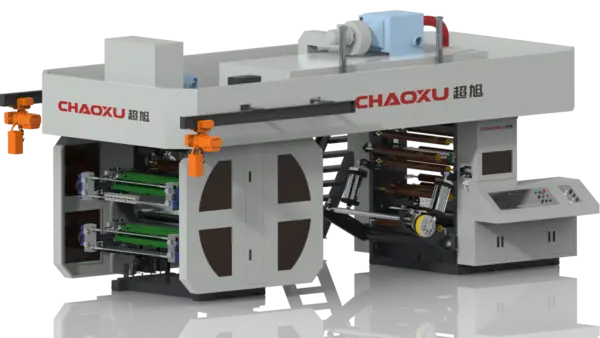
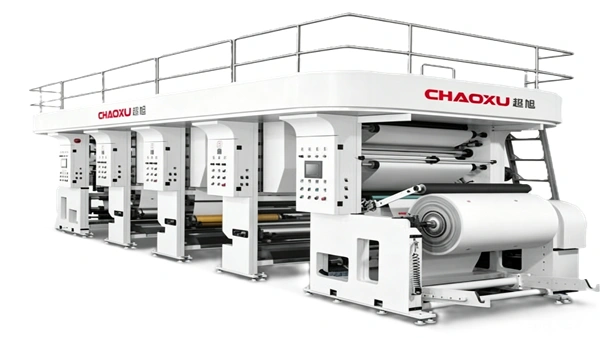
The numbers make clear that the press isn’t the limiting factor — the changeover engineering is. A flexographic printing machine with integrated quick-change subsystems turns short runs from a loss leader into a margin opportunity, especially for custom paper boxes where brand owners expect premium finish and consistent color on even the smallest batches. In these applications, the press’s ability to hold color accuracy across frequent stops and starts becomes a key purchase criterion. Those exploring how high-precision CI drum presses handle frequent job switches will find that certain design philosophies — particularly those emphasizing rigid frames and minimal thermal growth — protect registration even after back-to-back 300-sheet runs.
Designing a Workflow That Prevents Short-Run Headaches
Beyond the press itself, the surrounding workflow determines whether short runs thrive or suffocate. Three practices, refined through countless converter visits, stand out:
-
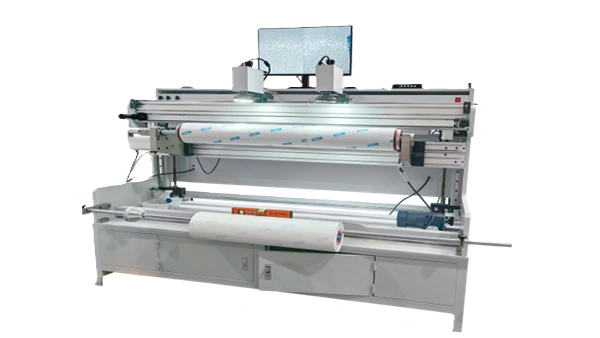
Pre-sleeve mounting offline: The press shouldn’t wait for plates. A dedicated mounting station with a camera proofing system allows the operator to mount, measure, and verify plates on sleeves while the current job prints. Sleeves roll to the press ready for instant insertion. This one change often delivers the biggest single time saving.
-
Standardized ink sets with on-press blending: Maintaining 50 custom spot colors for short runs is a scheduling nightmare. Converters that switch to extended-gamut fixed-palette printing (CMYK + orange, green, violet) can cover over 90% of brand spot colors without washing a single unit. The short-run line practically eliminates ink-change-induced downtime entirely.
-
Inline die-cutting with magnetic quick-change dies: When a folding carton job also needs cutting and creasing, an integrated flatbed or rotary die unit that accepts flexible magnetic dies slashes turnaround. Tooling changes that once took an hour now take 90 seconds. Short-run converters often say the die-cutting bottleneck hurt them more than the print bottleneck — integrating it changes the cost-per-box equation dramatically.
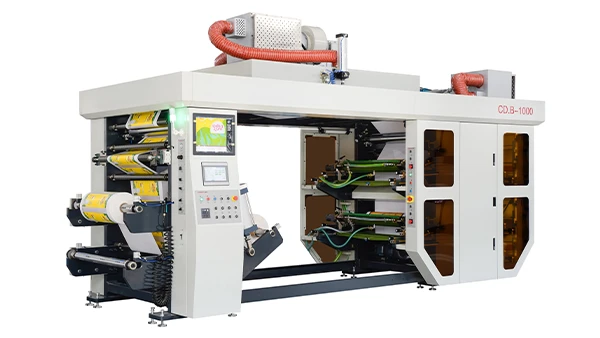
Build these workflows around a press engineered for rapid transitions, and minimum order quantities stop being a number imposed by the machine and become a commercial decision. That’s the point where converters start actively pursuing the 500-box inquiries instead of pricing them out. For those mapping out the full investment picture, comparing system designs for fast-change CI flexo printing lines can help avoid over-specifying for long runs while under-specifying for rapid turnover.
Avoiding the Over-Engineering Trap
A common reflex is to buy more press than the short-run mix warrants. A wide-web gearless press with 10 colors is magnificent for flexible packaging at high speed, but if your work is 80% under 2,500 carton sheets, its massive thermal stabilization time and wider rollers work against you. The press takes longer to reach steady-state, and the consumable cost per square meter rises. Instead, a mid-web (600–850 mm) CI press with 6 or 8 colors, quick-change sleeves, and a lightweight thermal management system aligns far better with the job mix. Focus specifications on changeover time, not maximum speed.
Equally important is skill investment. The most automated press in the world underperforms if the team hasn’t been trained to think in “pit stop” terms. Some converters cross-train operators from offset backgrounds, who bring a mindset of frequent plate changes and short-run hygiene. That cultural shift — treating every job as a sprint, not a marathon — is the invisible half of the short-run success formula.
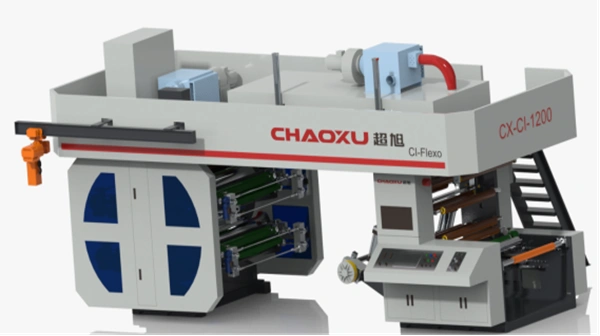
Where does this leave the custom paper box converter? You have a clear technological path to turn short runs into a profitable, growing segment. The market is pulling, the technology is ready, and the workflow knowledge is mature. The gap is often just an honest audit of your current press’s changeover cycle, followed by a specification exercise that prioritizes speed between jobs over speed within a job. If you aim to build or upgrade a line that genuinely thrives on 500-sheet orders rather than merely surviving them, it may be worth exploring how Chaoxu’s advanced CI flexo platform for custom packaging combines servo sleeving, automated register pre-sets, and cassette wash-up in a compact mid-web format specifically calibrated for converters handling mixed short- to medium-run carton production.
References & further reading
-
Smithers, The Future of Package Printing to 2027, 2022.
-
FTA Flexographic Technical Association, FIRST 6.0 Methodology & Implementation Guide.
-
ISO 12647-6:2020, Graphic technology — Process control for the production of half-tone colour separations, proofs and production prints — Part 6: Flexographic printing.
-
Practical converter case studies published in Flexo Magazine, 2023.
Disclaimer: This article provides general guidance based on industry experience and published data. Equipment specifications, performance figures, and operational results will vary based on application, substrate, operator skill, and facility conditions. Readers should conduct their own validation and consult equipment manufacturers for specific recommendations.