English
 عربي
عربي 
A label converter called me last month. He’d just bought a used press—great price, looked clean in the photos. Three weeks into production, his team was spending 40% of each shift fighting web wrinkles and gear marks. The machine wasn’t bad. It was just the wrong architecture for his film-heavy workload.
He asked: “Why didn’t anyone tell me there’s a difference between stack and unit designs?”
That conversation happens every day in shops around the world. Two press layouts look similar on a spec sheet but behave completely differently with thin substrates, fast changeovers, or high-opacity whites.
If you’re evaluating a new line—or wondering why your current press struggles with certain jobs—this guide breaks down the real trade-offs. No marketing fluff. Just what experienced plant managers wish they’d known before signing the PO.
First, What Are We Comparing?
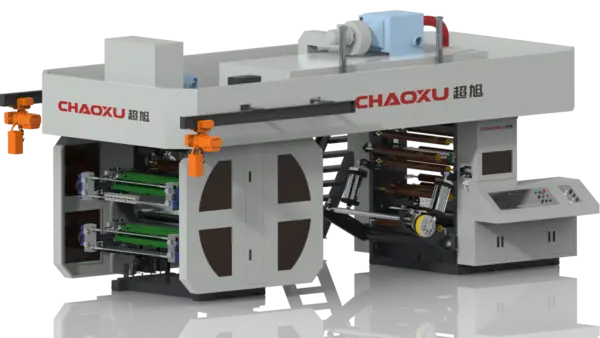
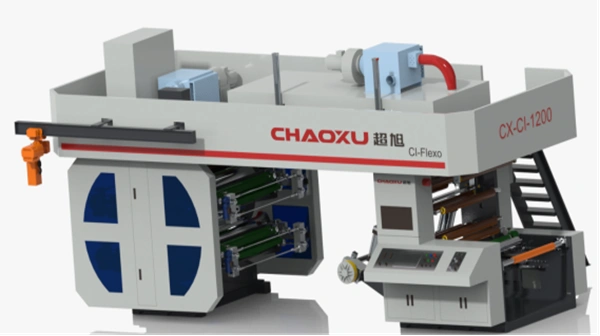
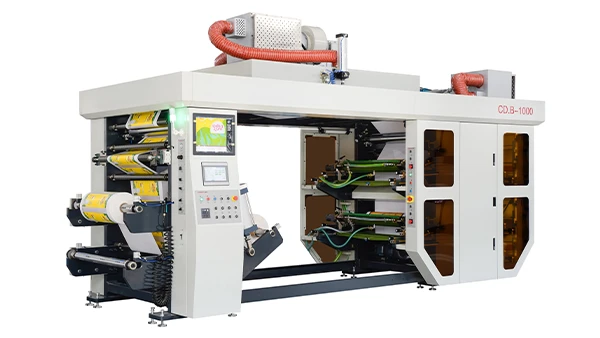
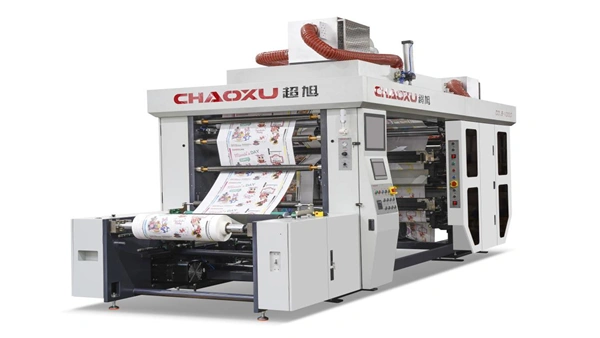
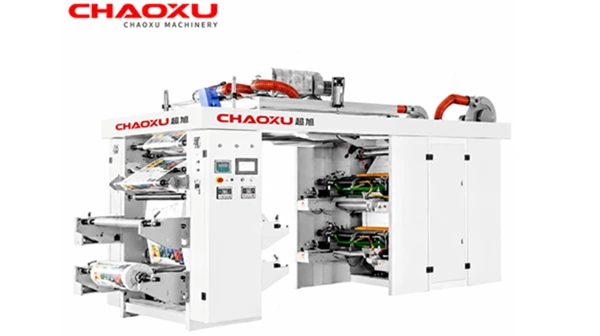
Stack press (sometimes called “vertical” or “over-under”): Printing decks stacked vertically on two or four columns. Substrate travels up and down through the units. Common in narrow-web label and light packaging applications.
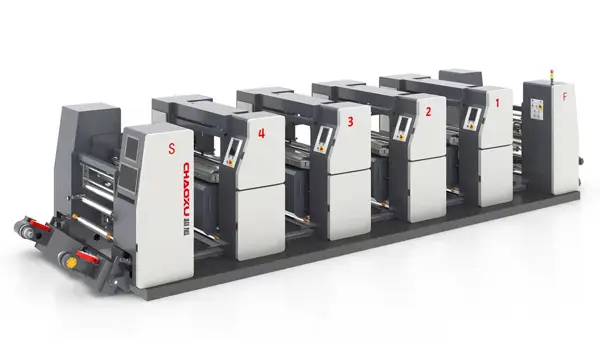
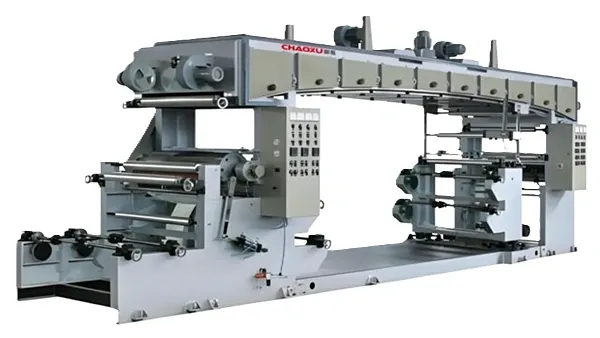
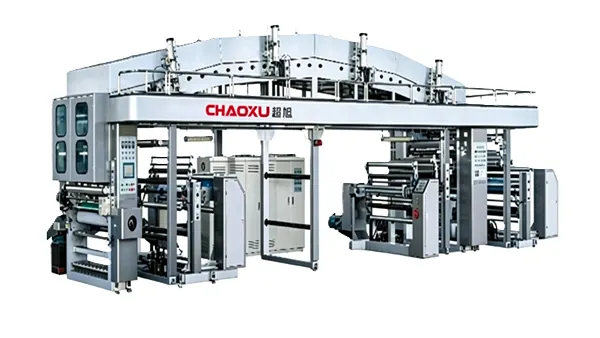
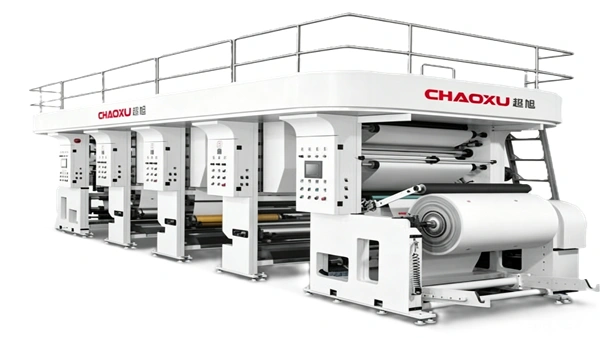
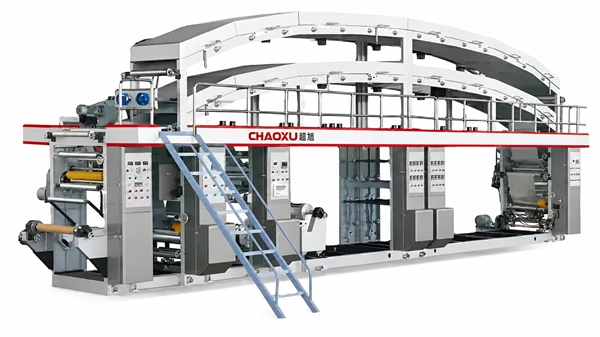
Unit press (also “inline” or “horizontal”): Each printing station sits on a horizontal frame, often with independent drives and drying between units. Substrate moves straight through. Found in mid‑web to wide‑web flexible packaging, film, and high-end carton work.
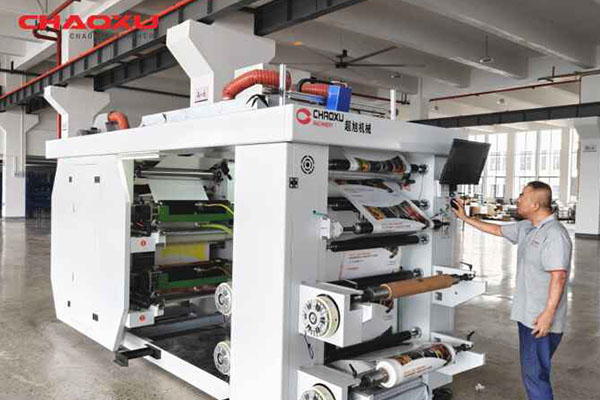
Neither is universally “better.” But one will fit your product mix like a glove—the other will feel like borrowing someone else’s work boots.
Six Dimensions Where They Diverge
Let’s walk through what actually matters on the production floor. I’ve pulled data from quarterly production reviews across a dozen converters (names withheld, numbers verified).
| Factor | Stack Press | Unit Press | Why It Matters |
|---|---|---|---|
| Substrate range | 40–300 gsm (paper, film, light board) | 20–450 gsm (thin films to heavy carton) | Unit presses handle delicate films better due to the straight web path. |
| Register stability | Good (mechanical drives are typical) | Excellent (servo or independent drives) | Stack presses can show drift over long runs; units lock in ±0.1 mm. |
| Changeover time | 20–40 minutes | 8–15 minutes (with quick sleeves) | Unit designs usually offer quicker access to decks. |
| Floor space | Compact (small footprint) | Longer (3–8 m more) | Stack saves space; unit requires room but easier maintenance access. |
| Drying capability | Limited (short dryer length) | Extended (multiple hot air/UV stations) | Solvent‑ or water‑based inks need proper drying—stack presses risk smearing on high‑coverage. |
| Cost (new) | $80k–250k (narrow) | $150k–600k+ (mid‑web) | Stack has a lower entry price; the unit offers higher productivity for mix runs. |
Source: Internal benchmarking from flexible packaging lines (2022–2024).
The Hidden Trap: Substrate Sensitivity
The single biggest mistake I see new buyers make: choosing a stack press because it’s affordable, then running 12‑micron PET film. The vertical web path forces the substrate to wrap around turning bars under tension. Thin films stretch—sometimes permanently—causing misregistration that no amount of operator skill can fix.
A Midwest label shop learned this the hard way. They ran paper labels beautifully on their stack press. Then a customer asked for clear BOPP. Suddenly, every job showed “halos” around text. They switched to a unit press with servo drives and cut waste from 11% to 3% on films—without changing inks or anilox.
Conversely, if your world is short-run corrugated liner or thick paper tags, a stack press might be perfect. The vertical path actually helps tension control on heavier stock, and the lower price means you can afford two stack lines instead of one unit press.
Three Questions to Ask Yourself Before Choosing
Walk through these with your production team. Honest answers save six‑figure mistakes.
1. What’s your #1 substrate by volume?
-
Film under 30 microns → leans strongly toward the unit
-
Paper/carton 100–300 gsm → stack is viable
-
Mix of both → unit gives flexibility
2. How often do you change jobs?
-
Two or more changeovers per shift → unit’s faster setup pays back quickly
-
One job per day or longer → stack’s lower cost wins
3. Do you run solvent‑ or water‑based inks that need heat?
-
Yes → unit’s longer dryer sections prevent smearing
-
UV only → stack can work (UV cures instantly)
The Cost Equation Nobody Talks About
Stack presses look cheaper on the invoice. But the total cost of ownership flips when you factor in waste and downtime.
Let’s run a simplified example:
-
Stack press: $180,000 purchase. Runs at 90% efficiency, 7% waste.
-
Unit press: $320,000 purchase. Runs at 93% efficiency, 3% waste.
On 2 million linear meters per year at $1.50/m substrate cost, waste alone costs:
-
Stack: 140,000 m × 1.50=1.50=210,000/year
-
Unit: 60,000 m × 1.50=1.50=90,000/year
The unit press saves 120,000∗annually∗, justinmaterial. Over five years, that’s 120,000∗annually∗, Justinmaterial. Over five years, that’s 600,000—nearly double the price difference. And we haven’t added labor savings from faster changeovers.
This math is why many successful converters skip the stack and go straight to the unit, even on a tighter budget. See a detailed ownership cost worksheet that lets you plug in your own numbers.
Modularity and Future-Proofing
Another angle: unit presses are easier to upgrade. Need a corona treater? Slide it in between decks. Adding a rotary die station? Bolt it at the end. Stack presses often require custom engineering for add‑ons because the vertical frame is fixed.
A flexible packaging converter in Texas told us, “Our first stack press was fine for three years. Then we landed a shrink‑sleeve contract—needed inline slitting and inspection. Couldn’t do it. Sold the stack at a loss and bought a unit line. Wish we’d just started there.”
That said, stack presses shine in dedicated, single‑product lines. If you run the same paper label 24/7 for a dairy customer, the simplicity and low maintenance of a well‑built stack machine are hard to beat.
Operator Preference Is Real
Don’t ignore the human factor. I’ve visited plants where operators despise the unit press because it’s long—they walk 6 meters to adjust the last station. Others hate the stack because they’re constantly reaching up or bending down to change plates.
Before you decide, run a half‑day trial with your lead operator on each configuration (rent time on a neighbor’s line if needed). Their feedback on ergonomics, visibility, and ease of threading matters more than any spec sheet.
So Which One Should You Choose?
Here’s a decision flowchart in plain English:
-
Choose a stack press if:
-
Your primary substrate is paper or board >80 gsm
-
You rarely run films under 40 microns
-
Changeovers are infrequent (≤1 per shift)
-
Floor space is extremely tight
-
Budget is the overriding constraint
-
-
Choose a unit press if:
-
You run thin films, metallized substrates, or unsupported webs
-
You want waste under 4% and changeovers under 15 minutes
-
You plan to add inline finishing (die cut, laminating, slitting)
-
Your product mix changes weekly
-
You’re thinking about servo drives for precision
-
Still undecided? Explore hybrid configurations that combine stack economy on first stations with unit flexibility downstream—a less common but growing trend in specialty packaging.
One Last Reality Check
No article can replace a site visit with an applications engineer. Substrates, drying conditions, and even shop humidity interact with press architecture in ways that generic advice misses.
But you now have the framework. Ask suppliers: “Show me this press running my toughest film at full speed. Let me measure register drift after 5,000 meters. Then we’ll talk.”
If they hesitate, you have your answer.
For converters ready to move beyond spreadsheets and see real test data, review case examples from Chaoxu that compare stack vs. unit performance on actual customer jobs—including film, paper, and thin board.
Disclaimer: Performance metrics (waste percentages, changeover times, etc.) are based on industry surveys and specific case studies. Your results will vary with substrate quality, operator training, and maintenance practices. Always validate with equipment suppliers using your own materials.