English
 عربي
عربي 
If you’ve ever stood on a cramped shop floor, staring at two very different flexo press configurations, you know the feeling: one looks compact and vertical, the other stretches out like a train. Which one actually helps you hit your daily targets without turning your workflow into a puzzle?
That’s the stack-type versus unit-type decision. It’s not about which machine is “better” in absolute terms—it’s about matching the press architecture to your unique combination of substrates, available space, operator skill level, and job changeover frequency.
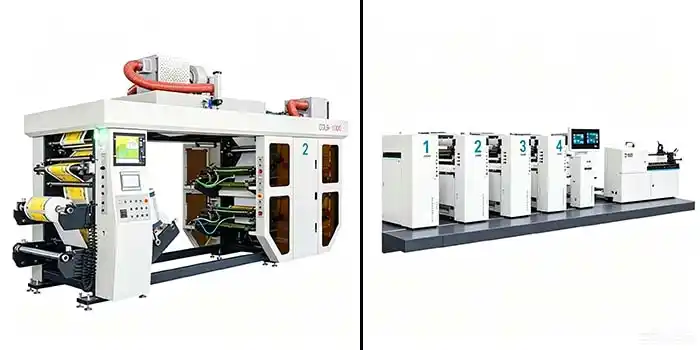
First, What Are We Really Comparing?
Both designs print on flexible materials like film, paper, or foil. But they organize their printing decks very differently.
-
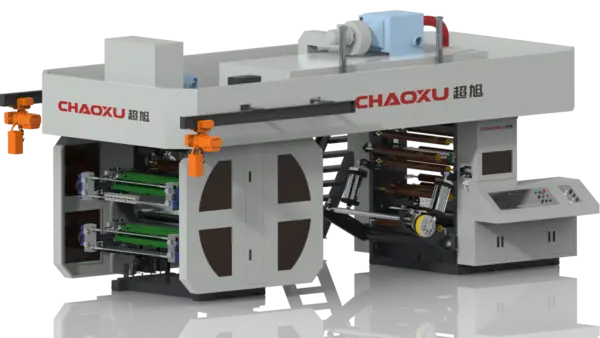
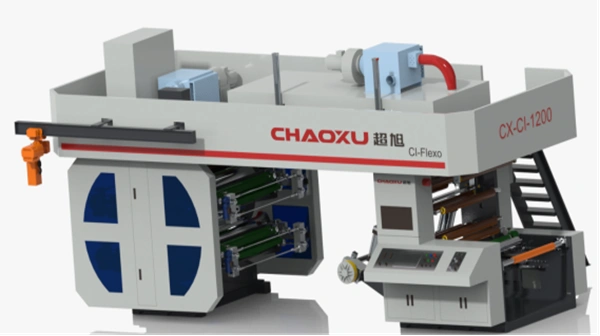
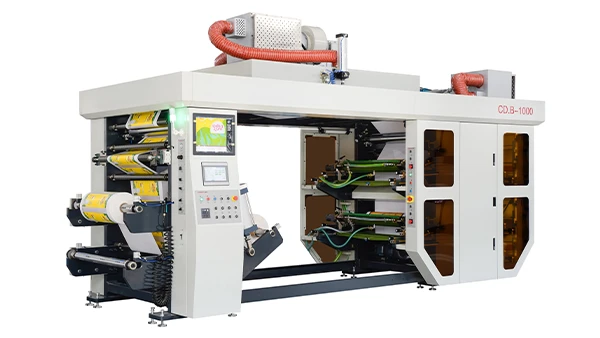
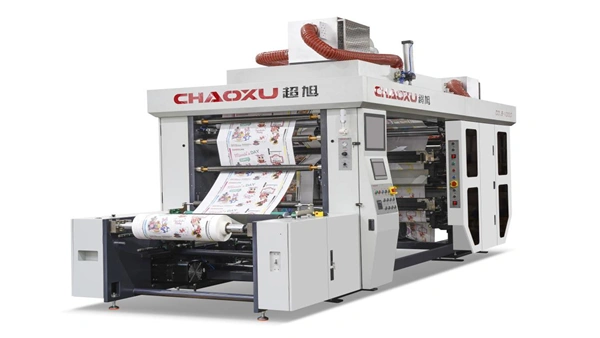
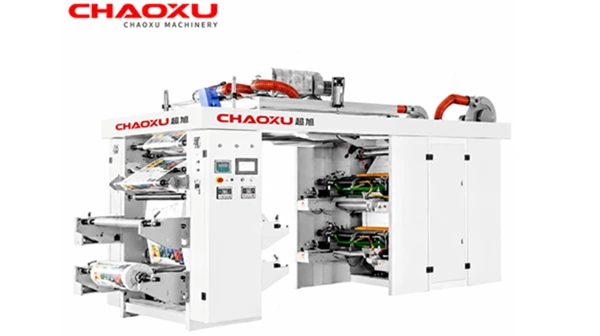
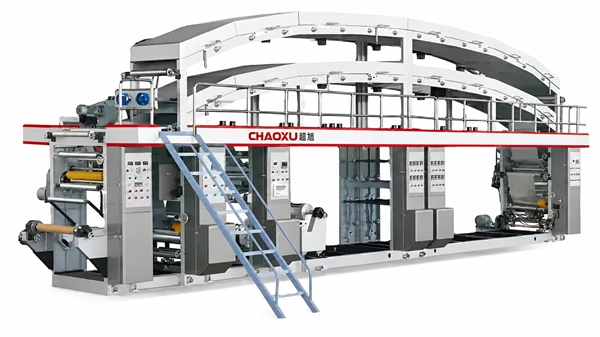
Stack type (common impression stack – CI stack): All color decks rotate around one central impression drum. Think of a compact tower where every unit shares that single, massive drum.
-
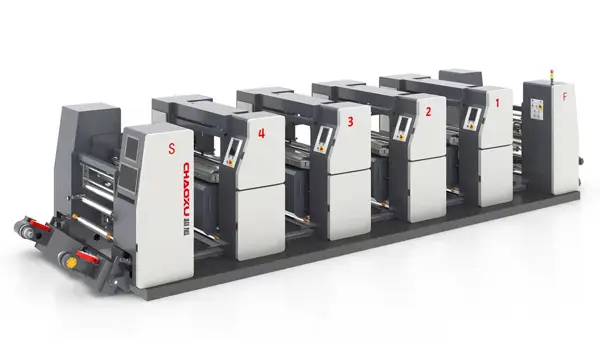
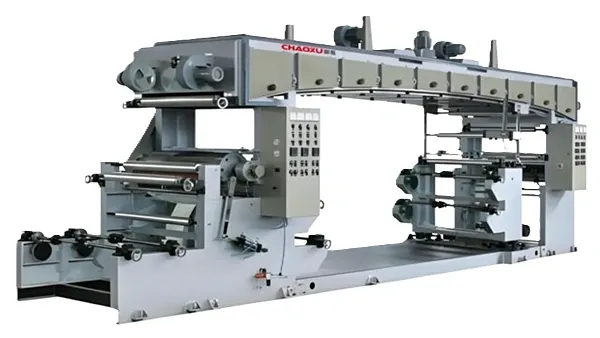
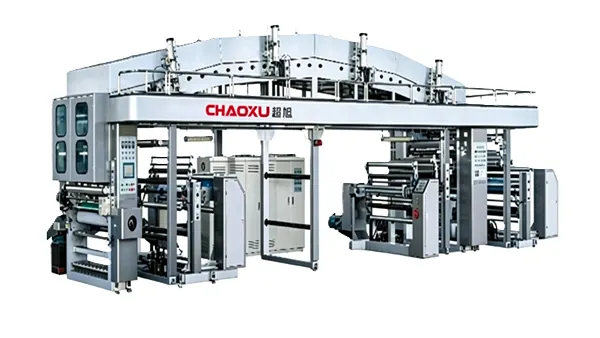
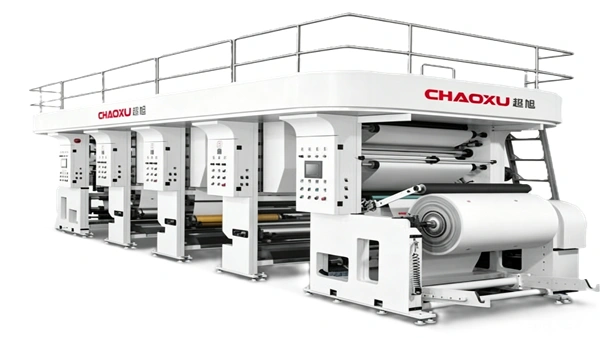
Unit type (inline modular): Each color deck is a self-contained module, lined up horizontally. The substrate travels from one unit to the next, often with drying tunnels between them.
The practical consequences show up in registration accuracy, web path complexity, floor space consumption, and how easily you can add or remove printing decks later.
Operational DNA: What Each Configuration Excels At
Stack-type presses shine when you need tight, consistent registration across 6 or 8 colors. Because the central drum fixes the distance from each plate cylinder to the substrate, color‑to‑color misregistration is virtually eliminated. That’s why you’ll see stack machines dominating high‑end flexible packaging for food or medical products.
However, the CI drum also limits flexibility. You can’t skip a deck or reorder colors easily. And the drum diameter determines the maximum repeat length—if your jobs vary wildly, one stack press might not cover everything.
Unit-type presses give you modular freedom. Need to print 4 colors today and 7 next month? Add or remove units. Want to insert a rotary die cutter or a lamination station in the middle? No problem. The inline layout also allows longer drying paths, which is critical for water‑based or UV inks.
The trade‑off? Registration requires more careful control. Each independent deck introduces potential for tension variation, so modern unit‑type machines rely on servo drives and tension sensors to stay accurate.
Side‑by‑Side: Key Decision Factors
| Factor | Stack Type (CI Stack) | Unit Type (Inline Modular) |
|---|---|---|
| Floor space | Very compact (vertical footprint) | Longer, needs linear space |
| Registration stability | Excellent – single drum | Good with servo control |
| Changeover speed | Moderate (all decks share drum) | Fast – each unit can be pre-set up |
| Expandability | Low – fixed number of decks | High – add/remove modules |
| Web drying | Limited space between decks | Long inter‑unit drying zones |
| Typical applications | High‑volume flexible packaging, shrink sleeves | Labels, cartons, short‑run packaging, multi‑process lines |
| Investment level | Higher entry cost for CI drum | Scalable – start small, add later |
Which One Causes Headaches on Your Floor?
Let’s be honest. Stack presses can be frustrating when you constantly change repeat lengths. If your job mix includes both 400 mm and 800 mm repeats, you may need two stack machines or one unit‑type press that handles the full range.
Unit presses, on the other hand, can become a registration nightmare if your operator isn’t comfortable with individual tension adjustments. And if your facility is short on linear length, fitting an 8‑color unit‑type line might mean reorganizing your entire workflow.
What The Market Data Says
According to a 2023 report by Smithers, the share of unit‑type modular presses has grown by nearly 30% in the short‑run packaging segment, while stack‑type presses still dominate in long‑run flexible packaging runs above 50,000 linear meters. The trend shows that many converters are now investing in both a stack press for their core high‑volume SKUs and a modular unit‑type line for prototypes, seasonal packs, and quick‑turnaround jobs.
So, Which Should You Choose?
Here’s a practical rule of thumb:
-
Choose stack type if:
You print high volumes of the same few repeats, need flawless registration on thin films, and have limited floor width, but can accommodate height. -
Choose unit type if:
Your job mix changes daily, you want to print on a wide range of substrates, you plan to add inline finishing (e.g., cold foil, screen, die‑cut), or you prefer to phase your investment over time.
Still, many production managers realize that the “perfect” answer isn’t just stack vs. unit—it’s how well the press integrates with your existing downstream equipment and your prepress workflow.
Making Your Decision Less Abstract
Instead of chasing specs, try this: map your last 50 jobs by repeat length, substrate, and changeover time. If most repeats fall within a 250‑mm range and you rarely add finishing steps, a stack press will serve you efficiently. If your repeat lengths vary over 500 mm and you often switch between film and paper, a modular unit‑type configuration will save you from owning three machines.
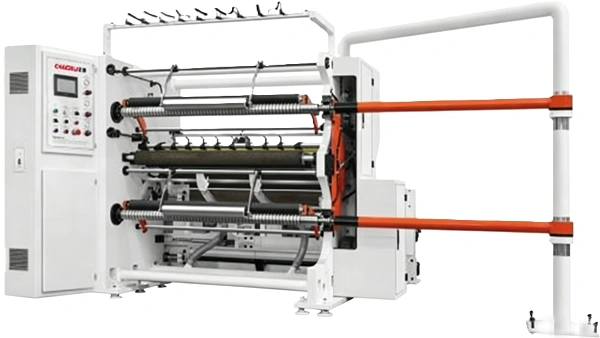
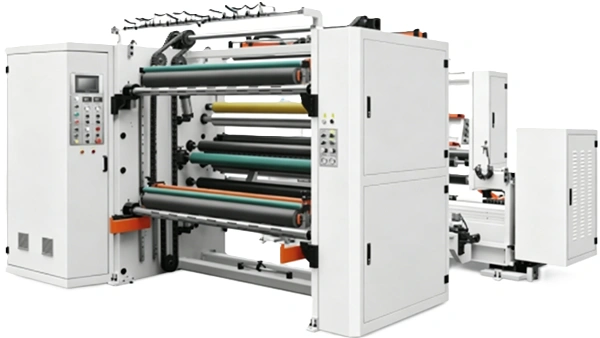
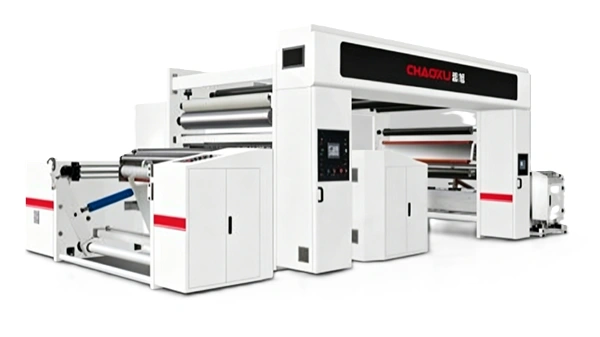
And if you’re still uncertain—because your business is growing and next year’s jobs don’t look like this year’s—then consider suppliers that offer flexible configurations. For example, Chaoxu builds modular systems that let you start with a 4‑color unit‑type press and expand to 8 colors with inline coating stations. Many of their clients in the label and flexible packaging space appreciate the ability to reconfigure without scrapping the main frame. You can explore modular flexo press configurations designed for evolving job shops to see how a scalable platform might fit into your 3‑year plan.
Final Takeaway
Don’t let the stack‑vs‑unit debate become a religious war. Both architectures have survived decades because each solves real production problems. The winner is the one that matches your shop layout, repeat‑length variety, and future expansion—not the one with more internet hype.
Take your time, run a few of your own jobs on both types if possible, and remember: the best press is the one that spends less time waiting for setup and more time printing sellable rolls.